Sir George Callaghan: The Distinguished Career of an Admiral of the Fleet
Sir George Callaghan was a towering figure in the Royal Navy, whose career spanned over five decades of service to the United Kingdom. From his early days as a cadet to his eventual promotion to Admiral of the Fleet—the highest rank in the Royal Navy—Callaghan's life was defined by duty, leadership, and a commitment to naval readiness during an era of immense global transition.
Key Facts
- Full Name: Sir George Astley Callaghan, GCB, GCVO.
- Service Period: 1866–1918.
- Highest Rank: Admiral of the Fleet.
- Major Conflicts: The Boxer Rebellion and World War I.
- Key Commands: Commander-in-Chief of the Home Fleet and Commander-in-Chief, The Nore.
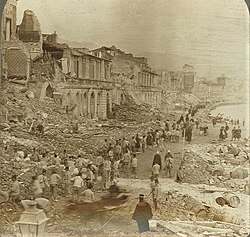
- Humanitarian Effort: Provided critical aid during the 1908 Messina earthquake.
Early Life and Naval Foundations
Born in London on December 21, 1852, George Callaghan was the son of Captain Frederic Marcus Callaghan and Georgina Frances Callaghan. He entered the Royal Navy in January 1866 as a cadet aboard the training ship HMS Britannia. His early years were spent gaining experience across various stations, including the East Indies Station aboard the corvette HMS Wolverine and HMS Ruby.
Callaghan demonstrated bravery early in his career; while serving on HMS Ruby, he received a commendation from the Admiralty for saving the lives of sailors after a boat capsized in the Irrawaddy River. He furthered his technical expertise by attending HMS Excellent, the Royal Navy's premier gunnery school, in 1880.
Rise Through the Ranks
By the late 1880s and 1890s, Callaghan's leadership capabilities became evident. He served as the executive officer of the battleship HMS Bellerophon and later commanded the despatch vessel HMS Alacrity. His versatility was showcased as he moved between roles as a naval advisor at the War Office and commanding officer of cruisers such as HMS Hermione and HMS Endymion.
The Boxer Rebellion and Humanitarian Leadership
In April 1900, Callaghan played a pivotal role in the British response to the Boxer Rebellion (an anti-foreign uprising in China). He commanded a naval brigade that joined a larger expedition led by Lieutenant-General Sir Alfred Gaselee. This force successfully entered Peking and rescued the legations—diplomatic representatives—who had been held hostage.
Following this success, Callaghan continued to ascend in rank, commanding the battleship HMS Caesar and later the HMS Prince of Wales. In 1908, while serving as Second-in-Command of the Mediterranean Fleet, he led the naval relief efforts following the devastating Messina earthquake, which claimed approximately 123,000 lives.
Command of the Home Fleet
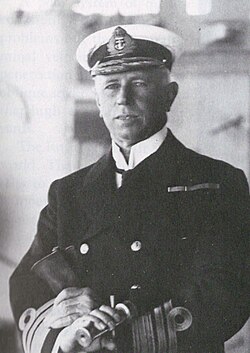
In November 1911, Callaghan reached a career pinnacle when he was appointed Commander-in-Chief of the Home Fleet. As international tensions rose in Europe, he dedicated himself to the rigorous preparation of the fleet for potential conflict. His leadership was recognized by both King George V and French President Raymond Poincaré, earning him prestigious honors including the Grand Cordon of the French Legion of Honour.
The First World War and Final Years
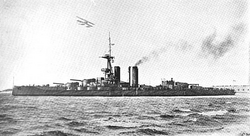
At the outbreak of World War I in July 1914, Callaghan set sail for Scapa Flow aboard his flagship, the battleship HMS Iron Duke. However, upon arrival, he was relieved of command by Sir John Jellicoe, acting on orders from First Lord of the Admiralty Winston Churchill. Despite having spent years readying the fleet for war, Callaghan was deeply disappointed to be replaced at the onset of hostilities.
Callaghan remained active during the war, participating in a Court of Inquiry regarding Rear Admiral Ernest Troubridge and later serving as Commander-in-Chief, The Nore, starting in January 1915. He was promoted to Admiral of the Fleet on April 2, 1917, before retiring in March 1918.
Retirement and Legacy
In his final years, Callaghan served as the King of Arms of the Order of the Bath. He passed away on November 23, 1920, in Chelsea, London, at the age of 67. Following a funeral at Westminster Abbey, he was buried at St Mary the Virgin in Bathwick, Somerset.
Career Summary
| Period/Date | Role/Rank | Key Achievement/Command |
|---|---|---|
| 1866 | Cadet | Joined HMS Britannia |
| 1900 | Commander | Rescued legations during Boxer Rebellion |
| 1908 | Rear-Admiral | Messina earthquake relief efforts |
| 1911–1914 | Admiral | Commander-in-Chief, Home Fleet |
| 1915 | Admiral | Commander-in-Chief, The Nore |
| 1917 | Admiral of the Fleet | Highest naval rank attained |
Frequently Asked Questions
What was Sir George Callaghan's role in the Boxer Rebellion?
Callaghan commanded a naval brigade as part of an expedition under Lieutenant-General Sir Alfred Gaselee. His forces entered Peking to rescue diplomatic legations that had been taken hostage.
How did Callaghan contribute to humanitarian aid?
While serving as Second-in-Command of the Mediterranean Fleet in 1908, he coordinated the provision of aid to survivors of the Messina earthquake, a disaster that resulted in roughly 123,000 deaths.
Why was Callaghan disappointed at the start of World War I?
Despite having spent his tenure as Commander-in-Chief of the Home Fleet preparing the navy for war, he was relieved of command by Sir John Jellicoe upon arriving at Scapa Flow in July 1914.
What was the highest rank Callaghan achieved?
He was promoted to Admiral of the Fleet on April 2, 1917, which is the most senior rank in the Royal Navy.
Where is Sir George Callaghan buried?
Following a funeral at Westminster Abbey, he was buried in the churchyard of St Mary the Virgin in Bathwick, Somerset.