Sir Alexander Milne: A Legacy of Royal Navy Leadership
Sir Alexander Milne was a distinguished officer of the Royal Navy whose career spanned nearly six decades of transformation in maritime warfare. Rising to the rank of Admiral of the Fleet, Milne was not only a skilled commander at sea but also a pivotal administrative figure who shaped British naval strategy during the mid-to-late 19th century.
Born on November 10, 1806, in Inveresk, Scotland, Milne was the son of Admiral Sir David Milne. His lifelong commitment to the sea began in February 1817, leading him through a series of commands that would eventually place him at the highest levels of the British Admiralty.
Key Facts
- Highest Rank: Admiral of the Fleet.
- Key Roles: First Naval Lord and Commander-in-Chief of the North America and West Indies Station.
- Major Conflicts: The Crimean War and the diplomatic tensions of the American Civil War.
- Notable Achievement: Managed the critical diplomatic response to the Trent Affair in 1861.
- Honors: Knight Grand Cross of the Order of the Bath (GCB) and created a baronet in 1876.
Early Career and Rise Through the Ranks
Milne's early years were defined by rigorous training and diverse assignments. After attending the Royal Navy College at Portsmouth, he served on several vessels, including the fourth-rate (a ship with 50 to 60 guns) HMS Leander. By 1827, he had achieved the rank of lieutenant, and by 1830, he was promoted to commander.
During his time on the West Indies Station aboard the HMS Snake, Milne was actively involved in the capture of slave-traders. His promotion to captain in 1839 led to commands of the HMS Crocodile and HMS Cleopatra, where he balanced fishery protection duties with the continued effort to suppress the slave trade.
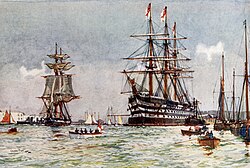
Milne's ascent continued as he served as Flag-captain—the senior captain of a fleet's flagship—on the HMS Caledonia and the HMS St Vincent. These roles prepared him for the administrative complexities of the Admiralty, where he served as Fourth, Fifth, and Third Naval Lord across various Liberal and Conservative administrations between 1847 and 1859.
Strategic Command and the Trent Affair
One of the most challenging periods of Milne's career occurred during his tenure as Commander-in-Chief of the North America and West Indies Station, beginning in January 1860. He operated from his flagship, the second-rate HMS Nile.
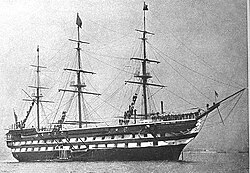
In November 1861, Milne faced a diplomatic crisis known as the Trent Affair. During the American Civil War, the USS San Jacinto intercepted the British mail packet RMS Trent and seized two Confederate diplomats, James Mason and John Slidell, claiming they were contraband of war. Milne's diplomatic handling of this volatile situation helped prevent a direct military conflict between the United Kingdom and the United States.
Naval Strategy and the First Naval Lordship
Milne served as First Naval Lord—the professional head of the Royal Navy—twice: first in 1866 under the Derby–Disraeli ministry, and again in 1872 under the Gladstone ministry. In these roles, he transitioned from tactical command to strategic oversight.
He utilized periods of government spending reductions to challenge existing naval strategies. He specifically advocated for the development of new cruisers, recognizing that protecting British merchant shipping and global trade was a critical necessity during times of war.
The Mediterranean Command and the Loss of HMS Captain
In 1869, Milne became Commander-in-Chief of the Mediterranean Fleet. In 1870, while leading combined maneuvers off the coast of Portugal, he inspected the turret-ship HMS Captain. Despite warnings from the ship's captain about deteriorating weather, the "dour" Scotsman insisted on returning to his own ship, the HMS Lord Warden. Tragically, the HMS Captain capsized and sank that same night, resulting in the loss of nearly all crew members except for the gunner and seventeen others.
Summary of Service and Honors
| Category | Details |
|---|---|
| Service Years | 1817–1876 |
| Major Commands | HMS Crocodile, HMS Cleopatra, HMS Caledonia, HMS St Vincent, HMS Nile, Mediterranean Fleet |
| Key Administrative Roles | First, Third, Fourth, and Fifth Naval Lord |
| Major Awards | GCB (Military and Civil), Baronetcy |
| Final Rank | Admiral of the Fleet (promoted 1881) |
Final Years and Legacy
After retiring from office in September 1876, Milne remained active in public service as a member of the Royal Commission investigating the defense of British commerce and possessions abroad. He spent his final years at Inveresk House in Scotland.
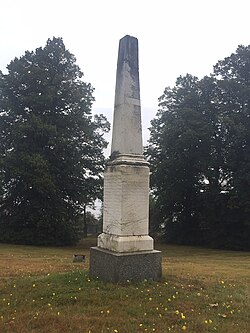
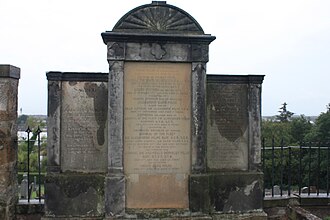
Sir Alexander Milne died of pneumonia on December 29, 1896, at the age of 90. He is buried in the Inveresk churchyard.
Frequently Asked Questions
What was the Trent Affair and Milne's role in it?
The Trent Affair was a diplomatic crisis during the American Civil War when a Union ship seized Confederate diplomats from a British mail packet. Sir Alexander Milne, as Commander-in-Chief of the North America and West Indies Station, used diplomacy to manage the tension and avoid war between Britain and the US.
What was Milne's contribution to naval strategy?
As First Naval Lord, Milne questioned fundamental naval strategies and pushed for the acquisition of new cruisers to ensure the protection of British merchant shipping and trade during wartime.
Which ships did Sir Alexander Milne command?
Throughout his career, he commanded or served as a senior officer on several ships, including the HMS Crocodile, HMS Cleopatra, HMS Caledonia, HMS St Vincent, and the HMS Nile.
What happened during the inspection of the HMS Captain?
While inspecting the turret-ship HMS Captain in 1870, Milne narrowly escaped the vessel during a storm to return to his flagship. Shortly after his departure, the HMS Captain capsized and sank, leaving only 18 survivors.
When was he promoted to Admiral of the Fleet?
Sir Alexander Milne was promoted to the highest rank of Admiral of the Fleet on June 10, 1881, following his retirement from active administrative office.