Sinosphere: The Cultural and Linguistic Legacy of East Asia
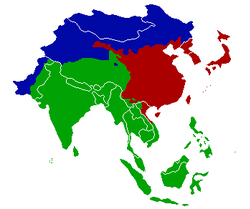
The Sinosphere, also known as the East Asian cultural sphere or the Chinese character cultural sphere, refers to a group of nations and regions historically influenced by Chinese culture. This sphere is not defined by a single language or ethnicity, but rather by a shared heritage of writing systems, philosophical frameworks, and social norms that have shaped the development of East Asian civilizations for millennia.
At its core, the Sinosphere is characterized by the adoption of Chinese literary culture, which provided a common intellectual language for scholars, bureaucrats, and religious leaders across borders, long before the rise of modern nation-states.
Key Facts
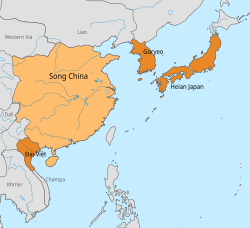
- Core Nations: Historically includes China, Japan, Korea, and Vietnam.
- Defining Feature: The use of Chinese characters (logograms) as a primary or foundational writing system.
- Philosophical Pillars: Deeply rooted in Confucianism, Taoism, and Mahayana Buddhism.
- Economic Power: Includes some of the world's largest economies, specifically China (2nd) and Japan (3rd) by nominal GDP.
- Linguistic Diversity: Spans multiple language families including Sino-Tibetan, Japonic, Koreanic, and Austroasiatic.
The Foundations of Sinosphere Culture
The cohesion of the Sinosphere is built upon several shared intellectual and spiritual pillars. These systems provided the moral and legal blueprints for imperial dynasties across the region.
Confucianism and Social Order
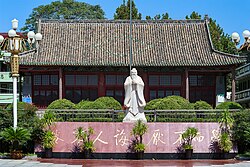
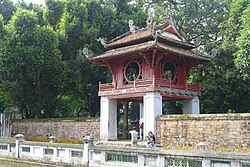
Confucianism has played a crucial role in East Asian culture, emphasizing social harmony and ethical living. Key concepts include rén (altruism and humaneness), yì (righteousness and the moral disposition to do good), and lǐ (a system of norms and propriety for everyday life). This philosophy led to the creation of imperial examinations, which produced a class of scholar-mandarins (bureaucrats) to manage the state.
Religion and Spirituality
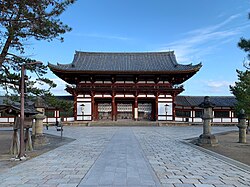
Beyond Confucianism, the region was shaped by Taoism and Mahayana Buddhism. Buddhism, in particular, traveled from India through China to Korea, Japan, and Vietnam, evolving into specific schools such as the Huayan School, which became prominent in institutions like the Todaiji in Nara, Japan.
Language and Writing Systems
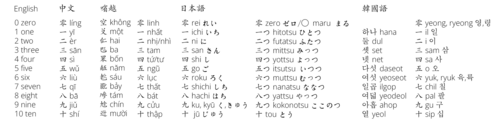
The most visible link between these nations is the use of logograms—characters that represent words or morphemes. While the spoken languages of the Sinosphere belong to vastly different language families, they share a massive amount of Sino-xenic vocabulary (Chinese-original readings adapted into local languages).
The Evolution of Scripts
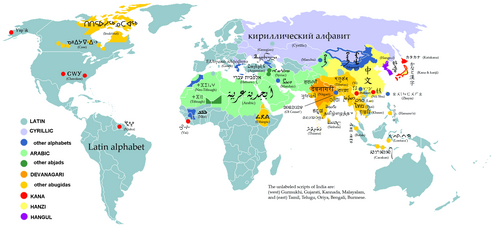
While Chinese characters (Hanzi) served as the prestige script, other nations developed their own systems to better suit their native phonology:
- Japan: Developed Kana (a syllabary) to complement Kanji.
- Korea: Created Hangul (an alphabet) to increase literacy, though Hanja (Chinese characters) remained influential.
- Vietnam: Used Chữ Nôm (a modified logographic script) before transitioning to the Latin-based alphabet.
Linguistic Diversity Table
| Language Family | Major Languages | Primary Writing Systems | Key Regions |
|---|---|---|---|
| Sino-Tibetan | Chinese varieties | Hanzi | China, Singapore, Taiwan |
| Japonic | Japanese | Kanji, Kana | Japan |
| Koreanic | Korean | Hangul, Hanja | Korea |
| Austroasiatic | Vietnamese | Latin, Chữ Nôm | Vietnam |
| Mongolic | Mongolian | Mongolian script, Cyrillic | Mongolia, Inner Mongolia |
Modern Economic and Political Landscape
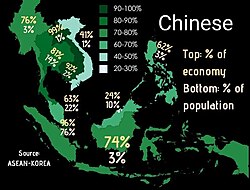
In the contemporary era, the Sinosphere remains a global powerhouse. China and Japan hold the second and third largest nominal GDPs globally, while South Korea (13th in 2022) has exerted significant cultural influence through the "Korean Wave" since the 1990s. Vietnam (35th in 2023) is the only Sinosphere country that is formally a member of the Association of Southeast Asian Nations (ASEAN).
Singapore, while not a traditional Sinosphere nation in the same sense as the others, is often considered part of the sphere due to its majority overseas Chinese population and high economic integration with the region.
Regional Integration
These nations are interconnected through various economic initiatives, including the Regional Comprehensive Economic Partnership (RCEP), the Belt and Road Initiative, and the ASEAN Plus Three framework.
Arts and Cultural Expression
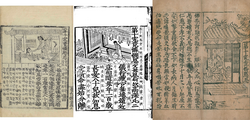
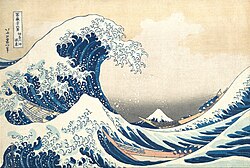
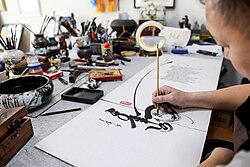
The shared heritage of the Sinosphere is evident in the arts, from traditional calligraphy to modern media. The influence of Chinese aesthetics can be seen in Mongolian calligraphy and the woodblock prints of Japan.
Modern entertainment has also followed these historical lines, with a thriving ecosystem of comics—manga (Japan), manhua (China), and manhwa (Korea)—and a globally influential cinema industry spanning Hong Kong, Taiwan, China, Japan, Korea, and Vietnam.
Frequently Asked Questions
What exactly is the Sinosphere?
The Sinosphere is a cultural region consisting of nations—primarily China, Japan, Korea, and Vietnam—that were historically influenced by Chinese culture, particularly through the adoption of Chinese characters, Confucianism, and Mahayana Buddhism.
Do all Sinosphere countries speak the same language?
No. The spoken languages are very different and belong to different language families. However, they share a significant amount of vocabulary derived from Chinese, known as Sino-xenic vocabulary.
How did Chinese characters influence other writing systems?
Chinese characters served as the original writing system for the region. Over time, Japan developed Kana and Korea developed Hangul to better represent their spoken languages, while Vietnam used Chữ Nôm before adopting the Latin alphabet.
What is the role of Confucianism in the Sinosphere?
Confucianism provided the ethical and social framework for the region, emphasizing humaneness (rén), righteousness (yì), and propriety (lǐ). It also established the tradition of imperial examinations for government officials.
Is Singapore part of the Sinosphere?
While not a historical core member like Vietnam or Korea, Singapore is often considered part of the Sinosphere in certain contexts due to its majority overseas Chinese population and economic ties.