Simón Bolívar: The Liberator of South America
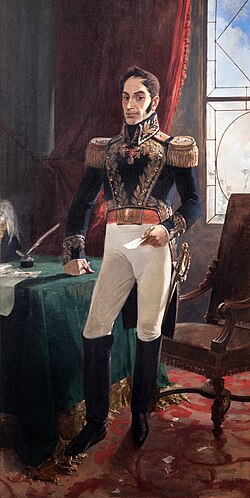
Simón Bolívar remains one of the most influential figures in global history, serving as the primary architect of independence for several South American nations. Known as the Libertador (Liberator), his military genius and political vision dismantled Spanish colonial rule across a vast expanse of the continent, leading to the creation of new republics.
Bolívar's life was a whirlwind of revolutionary fervor, diplomatic maneuvering, and immense personal sacrifice. From his early education in Europe to his final days in Santa Marta, his journey reflects the turbulent birth of modern Latin America.
Key Facts
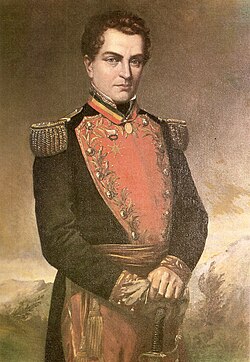
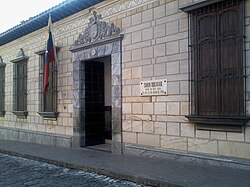
- Born: July 24, 1783, in Caracas, Captaincy General of Venezuela.
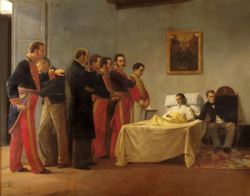
- Died: December 17, 1830, in Santa Marta, Gran Colombia (aged 47).
- Major Roles: 1st President of Colombia, 1st President of Bolivia, Dictator of Peru, and Supreme Chief of Venezuela.
- Key Goal: The liberation of South America from Spanish rule and the unification of the region.
- Final Resting Place: National Pantheon of Venezuela.
Early Life and Intellectual Awakening
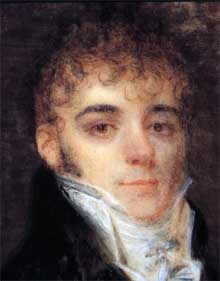
Born into a wealthy family in Caracas, Bolívar's early years were shaped by both privilege and loss. His education was deeply influenced by the Enlightenment, the intellectual movement that emphasized reason and individualism over tradition.
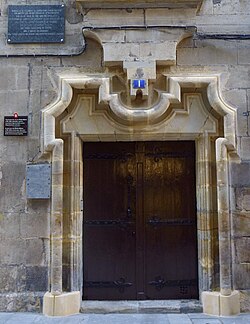
Between 1793 and 1802, Bolívar undertook his first journey to Europe, where he was exposed to the political upheavals of the era. During a stay in Bilbao from March 1801 to April 1802, he continued to refine his worldview.
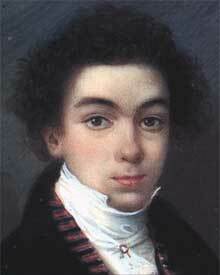
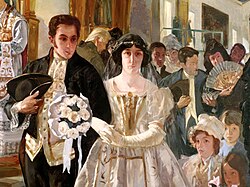
By the time he reached the age of 20 in 1804, Bolívar had developed a profound desire to bring liberty to his homeland. His personal life was also marked by tragedy; he married María Teresa Rodríguez del Toro y Alaysa in 1802, but her death in 1803 left him a widower and further fueled his commitment to a life of public service rather than domesticity.
The Revolutionary Path to Independence
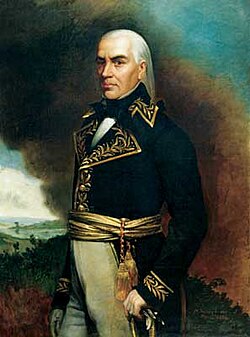
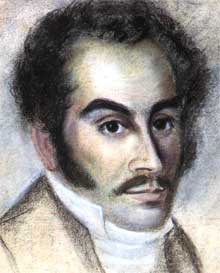
Bolívar's political and military career began in earnest around 1811. He worked alongside other revolutionaries, including Francisco de Miranda, a precursor to the independence movements in Venezuela.
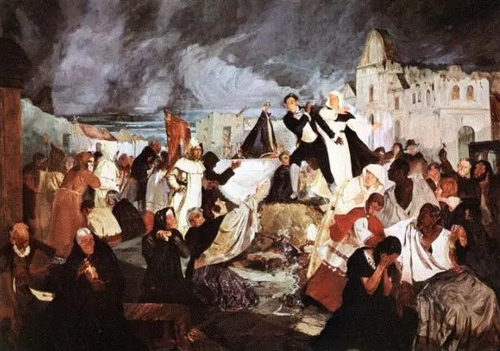
The struggle was not without setbacks. The early years of the revolution were plagued by internal strife and natural disasters, such as the devastating earthquake of 1812, which the Spanish used as a psychological tool to claim divine displeasure with the rebellion.
Bolívar's resilience led him through various stages of exile and return. He spent time in Jamaica and Haiti, where he sought support for his cause. In Haiti, he received critical aid that allowed him to return to Venezuela and New Granada (modern-day Colombia) to resume the fight.
The Rise of Gran Colombia
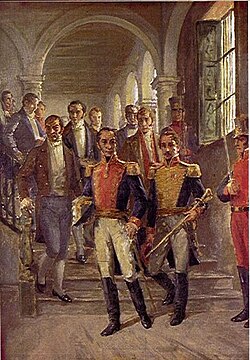
One of Bolívar's most ambitious projects was the creation of Gran Colombia, a massive republic intended to unite Venezuela, New Granada, Panama, and Ecuador. He served as its first president from December 17, 1819, until April 27, 1830.
Expanding the Liberation
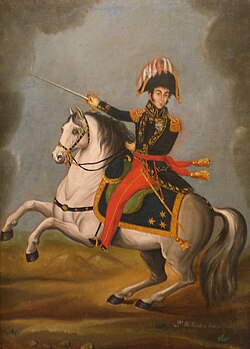
Bolívar's campaign extended south into Ecuador and Peru. In Peru, he held the title of Dictator from February 10, 1824, to January 27, 1827, to stabilize the region. His efforts culminated in the liberation of Upper Peru, which was renamed Bolivia in his honor. He served as Bolivia's first president for a brief period in 1825.
Final Years and Legacy
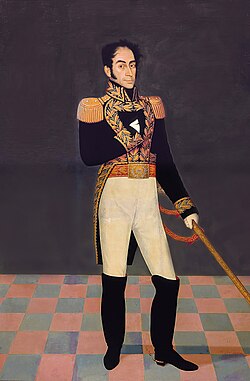
Despite his military successes, Bolívar's dream of a unified South America began to crumble under the weight of regionalism and political infighting. His later years were marked by increasing tension and attempts on his life, including a famous escape from assassination at the Palacio de San Carlos on September 25, 1828.
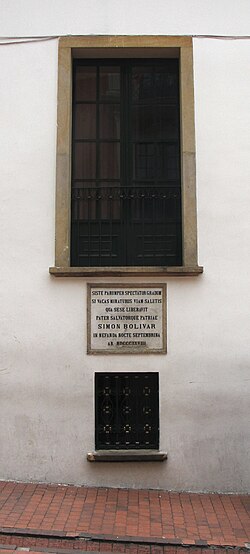
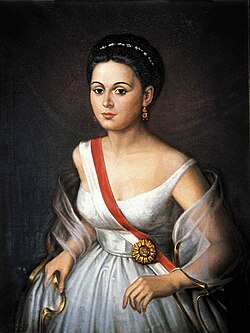
During this period, he was supported by his domestic partner, Manuela Sáenz, who played a vital role in his political life and personal safety.
Disillusioned and failing in health, Bolívar resigned from power and died on December 17, 1830, in Santa Marta. His legacy, known as Bolivarianism, continues to influence the political identity of Latin American nations today.
Summary of Political Leadership
| Position | Country/Region | Term of Office |
|---|---|---|
| Supreme Chief | Venezuela | 1813–1814; 1816–1819 |
| 1st President | Colombia (Gran Colombia) | 1819–1830 |
| Dictator | Peru | 1824–1827 |
| 1st President | Bolivia | 1825 (Aug–Dec) |
Frequently Asked Questions
What was Gran Colombia?
Gran Colombia was a short-lived republic created by Simón Bolívar that encompassed the territories of modern-day Colombia, Venezuela, Ecuador, and Panama, aiming to create a strong, unified state in South America.
Who was Manuela Sáenz?
Manuela Sáenz was Bolívar's domestic partner and a revolutionary in her own right. She is famously credited with saving his life during an assassination attempt in 1828.
Why is he called the "Libertador"?
He is called the Liberator because he led the military campaigns that successfully ended Spanish colonial rule in Venezuela, Colombia, Ecuador, Peru, and Bolivia.
Where is Simón Bolívar buried?
Simón Bolívar is buried in the National Pantheon of Venezuela, honoring his role as a founding father of the nation.
What was the significance of the 1812 earthquake?
The earthquake occurred during the early stages of the Venezuelan independence movement and was used by royalists to argue that the rebellion against Spain was causing divine punishment, temporarily demoralizing the revolutionary forces.