Battle of Ayacucho: The Decisive Victory for South American Independence
The Battle of Ayacucho, fought on December 9, 1824, stands as the definitive military encounter of the Peruvian War of Independence. This clash did more than just secure the sovereignty of the Peruvian Republic; it effectively ended Spanish colonial rule in South America, ensuring the independence of the remaining belligerent states in the region.
Taking place at Pampa de Ayacucho (also known as Quinua) near the town of Quinua in Huamanga, Peru, the battle pitted the Patriot forces of Peru and Gran Colombia against the Royalist army of the Kingdom of Spain. Led by Antonio José de Sucre, the lieutenant of Simón Bolívar, the Patriot forces achieved a victory that forced the final capitulation of the Spanish military presence in the Andes.
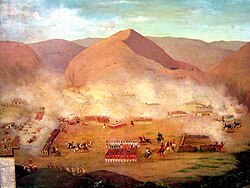
Key Facts
- Date: December 9, 1824.
- Location: Quinua, Huamanga, Peru.
- Outcome: Decisive Patriot victory and consolidation of Peruvian independence.
- Patriot Commander: Antonio José de Sucre.
- Royalist Commander: Viceroy José de la Serna.
- Casualties: Approximately 979 Patriots killed/wounded vs. 2,500 Royalists killed/wounded and 2,000–3,000 captured.
Historical Background and Political Turmoil
The road to Ayacucho was paved with political instability both in Spain and the Americas. In January 1820, a revolt in Spain led by General Rafael Riego forced King Ferdinand VII to restore the liberal Spanish Constitution of 1812. This internal upheaval prevented Spain from sending critical reinforcements to its viceroyalties in the Americas, leaving the Royalist armies in Peru and New Spain (modern-day Mexico) to defend their territories without external support.
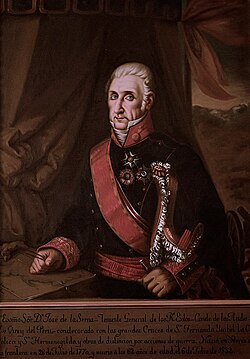
By 1823, the conflict had seen a series of fluctuating fortunes. While the Patriots had early successes, the Royalists under Viceroy José de la Serna managed several victories, including the occupation of La Paz and the recapture of Arequipa. However, the Royalist front was soon fractured by internal strife. A divide emerged between the liberal Viceroy de la Serna and the absolutist Pedro Antonio Olañeta in Upper Peru (modern-day Bolivia). Olañeta, supported by the return of absolutist rule in Spain, rebelled against the Viceroy, leading to a fratricidal conflict between Royalist factions that decimated their combined strength.
The Road to the Final Clash
Simón Bolívar seized the opportunity provided by the Royalist infighting. After the Battle of Junín in August 1824, Bolívar appointed General Antonio José de Sucre to lead the new battlefront along the Apurímac River. While Bolívar returned to Lima to secure loans and await reinforcements, Sucre organized the United Liberation Army for the final confrontation.
The Royalists, though numerically superior, were plagued by the loss of veteran troops during Olañeta's rebellion. Many of the units remaining under the Viceroy were composed of raw recruits who lacked the experience of the seasoned soldiers who had fought in earlier campaigns.
![Plan of the Battle of Ayacucho.[29] Royalists positions in the night from 8 to 9Preparatory maneuver for the royalist attackMarch of battalions under colonel Rubín de CelisManeuver and attack of Monet divisionAttack of Valdés’ vanguard over the house occupied by the independentistsCharge of royalist cavalryand dispersion of Gerona battalions by the royalist reserveBattalion Ferdinand VII, last royalist reserve](/images/4c/4e/4c4e534a51f59a637e2ab60fd1437ae863aaecd716af402b2ca4358d3979fae8.jpg)
Battle Disposition
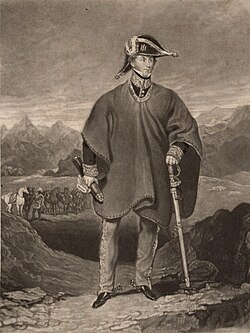
The forces engaged at Ayacucho were closely matched in size, though estimates vary. The Patriot army was composed of several divisions, including a strong cavalry led by General William Miller and infantry divisions under Generals José María Córdoba and José de La Mar.
The Royalist army, commanded by Viceroy de la Serna, featured a vanguard division under General Jerónimo Valdés and a reserve division led by Lieutenant General José de Canterac.
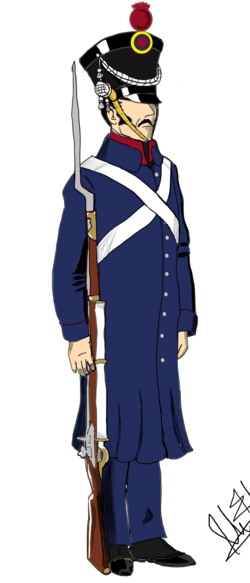
The Battle and Capitulation
The engagement began with intense fighting, but the Royalist lines soon fell into confusion. As the Patriot forces pressed their advantage, the Royalist reserve—specifically the 'Gerona' and 'Ferdinand VII' battalions—collapsed quickly due to their lack of experience. By 1:00 PM, Viceroy José de la Serna was wounded and taken prisoner.
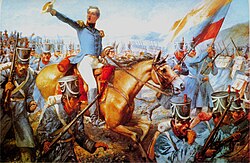
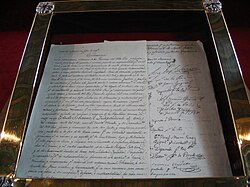
With the Viceroy captured and the army in disarray, second-in-command José de Canterac signed the final capitulation. This agreement marked the end of the Spanish American wars of independence in Peru, although small pockets of resistance remained in the fortresses of Callao and Chiloé until 1826.
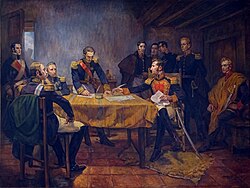
Summary of Forces and Losses
| Feature | Patriot Forces (Peru & Gran Colombia) | Royalist Forces (Spain & Viceroyalty) |
|---|---|---|
| Commanders | Antonio José de Sucre, Agustín Gamarra | José de la Serna, José de Canterac |
| Estimated Strength | 5,780 – 8,500 | 6,906 – 9,310 |
| Killed/Wounded | 979 | ~2,500 |
| Prisoners/Captured | Minimal | 2,000 – 3,000 (plus 4 cannons) |
Aftermath and the Birth of Bolivia
Following the victory, General Sucre entered Upper Peru in February 1825. The remaining Royalist resistance, led by Pedro Antonio Olañeta, was short-lived. After a series of defections and the Battle of Tumusla on April 2, 1825, where Olañeta was killed, the war in Upper Peru officially ended.
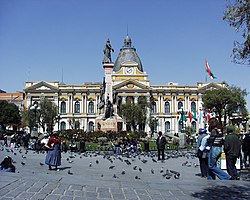
On August 6, 1825, a constituent assembly in Chuquisaca declared the complete independence of Upper Peru as a new republic. In honor of Simón Bolívar, the new nation was named Bolivia, reflecting the sentiment: "If from Romulus, Rome; from Bolívar, it is Bolivia."
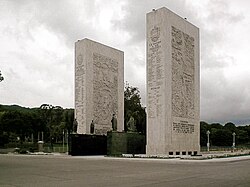
The legacy of the battle is commemorated across the continent, from the National Heroes Memorial in Caracas to the various monuments in Peru and Bolivia, marking the moment the Spanish Empire's grip on South America was finally broken.
Frequently Asked Questions
Who were the primary commanders at the Battle of Ayacucho?
The Patriot forces were led by Marshal Antonio José de Sucre, the lieutenant of Simón Bolívar. The Royalist forces were commanded by the Viceroy of Peru, José de la Serna.
Why was the Battle of Ayacucho considered decisive?
It resulted in the capture of the Viceroy and the capitulation of the main Royalist army, effectively ending Spanish colonial rule in Peru and securing independence for the rest of South America.
How did internal Spanish politics affect the battle?
A revolt in Spain in 1820 prevented the crown from sending reinforcements to the Americas. Additionally, a split between liberal and absolutist Royalists in Peru (led by de la Serna and Olañeta) weakened the Spanish defenses before the battle.
What happened to Upper Peru after the battle?
Following the defeat of the Royalists and the death of Pedro Antonio Olañeta, Upper Peru declared its independence on August 6, 1825, and became the Republic of Bolivia.
What were the casualties of the battle?
The Patriots suffered 979 killed and wounded. The Royalists suffered significantly more, with approximately 2,500 killed or wounded and between 2,000 and 3,000 soldiers captured.