Sidon: A Journey Through the Ancient Phoenician Port of Lebanon
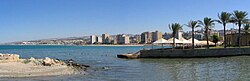
Perched on the Mediterranean coast of Lebanon, Sidon (known in Arabic as Saida) is one of the oldest continuously inhabited cities in the world. Settled as early as the 3rd millennium BC, this historic port city has served as a crossroads for empires, a hub of Phoenician maritime trade, and a witness to the shifting tides of Middle Eastern politics. From its ancient roots as a powerful city-state to its modern role as the center of the South Governorate, Sidon remains a vital cultural and economic anchor for Lebanon.
Key Facts
- Location: South Governorate, Lebanon.
- Settlement: Established in the 3rd millennium BC.
- Population: Approximately 80,000 in the city and 266,000 in the metropolitan area.
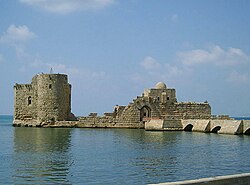
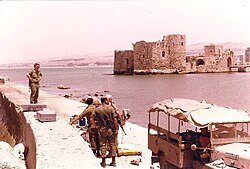
- Key Landmark: The Sea Castle, built by Crusaders in AD 1228.
- Religious Diversity: Predominantly Sunni Muslim (72.16%), with significant Christian (16.49%) and Shia Muslim (10.83%) populations.
A Legacy of Empires: From Phoenicia to the Ottomans
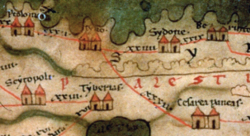
Sidon's history is a tapestry of conquest and commerce. In antiquity, it was a premier Phoenician city, renowned for its seafaring capabilities and trade. Its influence was so vast that it appears frequently in the Hebrew Bible and New Testament, and was a focal point for early Greek philosophers and poets.
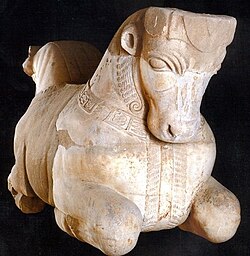
During the Persian and Hellenistic periods, the city reflected the cultural blend of the Mediterranean. Archaeological finds, such as the Persian-style bull protome, testify to the Achaemenid rule and influence that once shaped the region.
The Crusader and Ayyubid Era
The medieval period saw Sidon become a strategic prize. On December 4, 1110, King Baldwin I of Jerusalem and King Sigurd I of Norway captured the city, establishing the Lordship of Sidon as a vassal-state of the Kingdom of Jerusalem. The city changed hands multiple times: Saladin captured it in 1187, only for German Crusaders to reclaim it in 1197. The city suffered significant destruction by the Ayyubids in 1249 and later by the Mongols under Kitbuqa in 1260.
Ottoman Rule and Modern Transitions
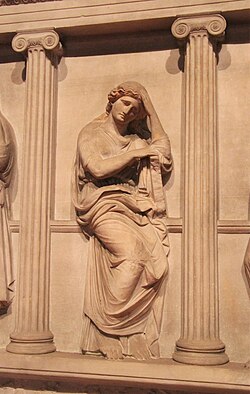
Under the Ottoman Empire, Sidon evolved into a smaller fishing town. By 1900, it had roughly 10,000 inhabitants. The late 19th century was a golden age for archaeology in the city; the Ottomans extensively excavated the Royal Necropolis, transferring treasures like the Alexander Sarcophagus to Istanbul.
Modern Political and Social Landscape
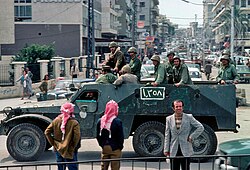
The 20th century brought significant volatility to Sidon. During the Lebanese Civil War, the city experienced sectarian clashes between Sunni Muslims and Christians. Local politics were long dominated by two influential families: the El-Bizri, known for their ties to the state and upper classes, and the Saad family, who embraced populist Nasserism (followers of Gamal Abdel Nasser) and grassroots activism.
In the latter part of the century, the Hariri family rose to financial and political prominence. The city also faced external conflicts, including shelling by the South Lebanon Army (SLA) in 1981 and occupation by the Israeli army for nearly two and a half years following the 1982 invasion.
City Infrastructure and Demographics
Today, Sidon is administered by a municipality consisting of a 21-member council. It serves as the administrative heart of the South Governorate and the Sidon District, hosting regional headquarters for the Central Bank of Lebanon and the Justice Palace of South Lebanon.
The city's demographic profile is diverse, though it has shifted over time. While it once hosted the largest Jewish population in Lebanon during the 1930s, most emigrated by the end of the 1990s. Current registered voter data from 2014 indicates a strong Sunni Muslim majority.
| Religion | Percentage |
|---|---|
| Sunni Islam | 72.16% |
| Christianity | 16.49% |
| Shia Islam | 10.83% |
| Judaism | 0.52% |
Cultural and Archaeological Sights
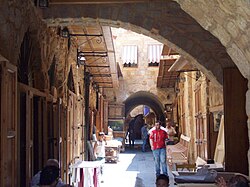
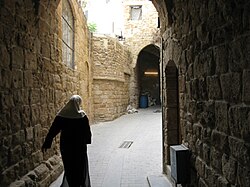
Visitors to Sidon can explore a blend of ancient and modern landmarks. The Old City is characterized by its traditional alleyways and the Old Souks, where traditional commerce still thrives.
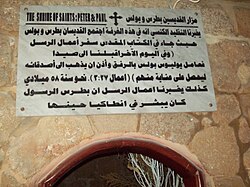
For those interested in faith and history, the city hosts a shrine commemorating the final meeting between St. Paul and St. Peter. Additionally, the British War Cemetery, opened in 1943, serves as a meticulously maintained memorial containing 176 Commonwealth burials from World War II.
Education and Research
Sidon is a regional hub for education, hosting 29 schools and 10 universities. Notable institutions include the Lebanese University (LU), the Lebanese American University, and the American University of Lebanon, offering a wide range of faculties from Law and Political Science to Public Health.
Frequently Asked Questions
When was Sidon first settled?
Sidon was settled in the 3rd millennium BC, making it one of the oldest cities in the region.
What is the significance of the Sea Castle?
The Sea Castle is a prominent landmark built by the Crusaders in AD 1228, representing the city's strategic importance during the medieval period.
Who were the dominant political families in 20th-century Sidon?
Local politics were primarily dominated by the El-Bizri family, associated with the state and middle-to-upper classes, and the Saad family, known for their populist and Nasserite political leanings.
What is the current religious composition of the city?
The city is predominantly Sunni Muslim (approximately 72%), with Christian (16%) and Shia Muslim (11%) minorities.
What archaeological treasures were found in Sidon?
Extensive excavations in the Royal Necropolis uncovered significant artifacts, including the Alexander Sarcophagus, which were later moved to the Istanbul Archaeology Museums.