Shirin Ebadi: The Iranian Pioneer for Human Rights and Democracy
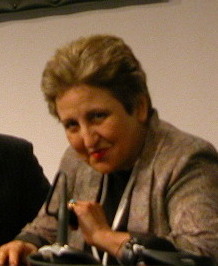
Shirin Ebadi is a distinguished Iranian lawyer, writer, and former judge who has dedicated her life to the advancement of democracy and the protection of the most vulnerable. As the first Iranian citizen to be awarded the Nobel Peace Prize, Ebadi has become a global symbol of resistance against oppression and a tireless advocate for the rights of women, children, and refugees.
Born on June 21, 1947, in Hamadan, Iran, Ebadi's academic journey began at the University of Tehran, where she laid the foundation for a legal career that would eventually challenge the systemic inequalities of her home country. Her transition from a judge to a human rights defender marked a pivotal shift in her life, leading her to establish the Defenders of Human Rights Center in Iran.
Key Facts
- Nobel Peace Prize: Awarded in 2003 for her pioneering efforts for democracy and human rights.
- Firsts: The first Iranian to receive the Nobel Peace Prize.
- Legal Legacy: Founder of the Defenders of Human Rights Center in Iran.
- Exile: Has lived in London since June 2009 following a crackdown after the Iranian presidential election.
- Recent Influence: Named one of Time magazine's 100 most influential people in 2026.
A Career of Legal Advocacy and Justice
Ebadi's early career as a judge provided her with a firsthand look at the legal frameworks governing Iran. However, her commitment to universal human rights led her to move into the role of a lawyer, where she could more effectively defend those marginalized by the state. Her work focused heavily on Islamic feminism—the effort to reinterpret Islamic texts to support gender equality—and the protection of refugees.
Beyond her legal practice, Ebadi has authored several influential books that detail her journey and political philosophy. In Iran Awakening (2007), she explores the intersection of Islam, democracy, and gender equality, arguing for a society where faith and human rights coexist.

The Nobel Peace Prize and Global Recognition
In October 2003, the Nobel Committee recognized Ebadi's courage and contributions by awarding her the Nobel Peace Prize. This honor brought international attention to the human rights situation in Iran but also increased the pressure from the Iranian government. Despite the risks, Ebadi continued her activism, utilizing her platform to amplify the voices of the oppressed.
Her recognition extends far beyond the Nobel Prize. She has been honored with the Rafto Prize (2001), the Legion of Honour (2006), and the James Parks Morton Interfaith Award (2004). Furthermore, she has received numerous honorary doctorates from prestigious institutions, including the University of Cambridge and Brown University.
Challenges, Exile, and Continued Influence
The path of advocacy has not been without peril. Ebadi faced significant threats and harassment from the state. In 2009, while attending a seminar in Spain during the Iranian presidential election, she was warned by colleagues not to return home due to the violent crackdown on protesters. She has remained in exile in London since that time.
Reports indicate that the Iranian government seized her Nobel Peace Prize medal in 2009, an act that sparked international condemnation. Despite these attempts to silence her, Ebadi remains a central figure in the Iranian opposition. In March 2026, opposition leader Reza Pahlavi announced that Ebadi would lead a committee to draft regulations for transitional justice—a process of addressing past human rights violations to ensure accountability and peace—to create a framework for a future fact-finding commission in Iran.
Summary of Achievements and Contributions
| Category | Details |
|---|---|
| Major Awards | Nobel Peace Prize (2003), Rafto Prize (2001), Legion of Honour (2006) |
| Key Organizations | Defenders of Human Rights Center (Founder), Reporters Without Borders (Emeritus Board) |
| Published Works | Iran Awakening, Refugee Rights in Iran, The Golden Cage, Until We Are Free |
| Academic Honors | Honorary Doctorates from Cambridge, Brown, and University of Toronto, among others |
| Current Role | Leading committee for transitional justice regulations in Iran (as of 2026) |
Frequently Asked Questions
Why was Shirin Ebadi awarded the Nobel Peace Prize?
She was awarded the prize in 2003 for her pioneering efforts to promote democracy and her advocacy for the rights of women, children, and refugees in Iran.
When and why did Shirin Ebadi go into exile?
Ebadi has lived in exile in London since June 2009. She chose not to return to Iran after the crackdown following the Iranian presidential elections, as colleagues warned her of the dangers.
What is the Defenders of Human Rights Center?
It is a human rights organization founded by Shirin Ebadi in Iran to provide legal support and advocacy for those whose fundamental rights have been violated.
What is Ebadi's role in the 2026 transitional justice initiative?
She was appointed by opposition leader Reza Pahlavi to lead a committee tasked with drafting regulations for transitional justice, which aims to establish a court and commission to address human rights violations under the Islamic Republic.
Has the Iranian government reacted to her Nobel Prize?
Yes, the government has targeted her with threats and harassment, and it was reported in 2009 that the state seized her Nobel Peace Prize medal.