Shipley Electoral History: A Century of Political Shifts
The electoral landscape of Shipley, West Yorkshire, serves as a fascinating mirror to the broader political trends of the United Kingdom. From its early days as a Liberal stronghold to the competitive battles between the Conservative and Labour parties in the modern era, the constituency has seen dramatic swings in voter sentiment and party dominance.
Historically, the seat has transitioned through various political identities, reflecting the socio-economic changes of the region. While certain periods were marked by long-term stability under a single representative, recent decades have seen a more volatile environment with frequent changes in party control.
Key Facts
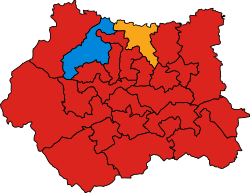
- Recent Shift: In the 2020s, Labour gained the seat from the Conservatives with a majority of 8,603 votes.
- Long-term Tenure: Philip Davies held the seat for the Conservatives across multiple elections in the 2000s and 2010s.
- Historical Roots: The seat was established with a Liberal win in the 1880s.
- Turnout Trends: Voter turnout has fluctuated significantly, reaching as high as 90.48% in the 1950s and dipping to 65.2% in the most recent 2020s data.
- Diverse Representation: The constituency has been represented by Liberals, Liberal Unionists, Labour, and Conservatives over the last 140 years.
Modern Electoral Trends (2000s–2020s)
The early 21st century was characterized by a tight contest between the Conservatives and Labour. In the 2000s, the seat flipped from Labour to Conservative, with Philip Davies securing a narrow victory in a closely contested race where the majority was only 422 votes.
Throughout the 2010s, the Conservative hold remained firm, though the margin of victory varied. Philip Davies maintained control through several cycles, often facing strong challenges from Labour candidates such as Jo Pike and Steve Clapcote. However, the political tide turned in the 2020s when Anna Dixon of the Labour Party secured a decisive victory, capturing 45% of the vote and ending the Conservative tenure.
The 2020s Election Breakdown
The most recent data shows a significant shift in voter loyalty. Labour's increase of 5.8% contrasted sharply with a 23.6% drop for the Conservatives. The emergence of the Reform party, which captured 15% of the vote, likely contributed to the fragmentation of the right-wing vote.
Mid-Century Political Dynamics (1940s–1990s)
The latter half of the 20th century saw Shipley oscillate between the two major parties. The 1940s were dominated by Labour's Arthur Creech Jones, who held the seat with a substantial majority of 7,930 votes.
By the 1950s and 60s, the Conservatives regained ground. Geoffrey Hirst became a prominent figure, holding the seat through the 1950s and 60s, often with strong majorities exceeding 13%. This era was marked by exceptionally high voter engagement, with turnout frequently exceeding 85%.
The 1970s and 80s saw the continued dominance of Marcus Fox for the Conservatives. Despite challenges from the Liberal party—which saw peaks in support during the 1980s—Fox maintained a consistent hold on the constituency until the 1990s, when Chris Leslie led Labour to a gain from the Conservatives.
Early History and the Liberal Era (1880s–1930s)
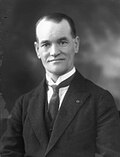
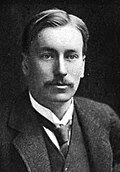
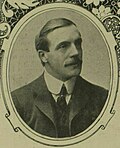
In its infancy, Shipley was a bastion of Liberalism. Joseph Craven won the new seat in the 1880s, and for several decades, Liberal candidates like Percy Illingworth often won unopposed or with commanding majorities.
The 1920s and 30s introduced more volatility as the Labour party began to rise. William Mackinder secured several victories for Labour in the 1920s, though the seat remained a battleground between Labour, the Unionists, and the Liberals.
Historical Representative Summary
| Era | Key Representative | Primary Party | Political Trend |
|---|---|---|---|
| 1880s-1910s | Percy Illingworth | Liberal | Liberal Dominance |
| 1920s | William Mackinder | Labour | Rise of Labour |
| 1950s-60s | Geoffrey Hirst | Conservative | Conservative Stability |
| 1970s-80s | Marcus Fox | Conservative | Conservative Hold |
| 2000s-2010s | Philip Davies | Conservative | Competitive Hold |
| 2020s | Anna Dixon | Labour | Labour Gain |
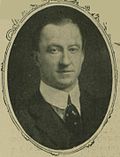
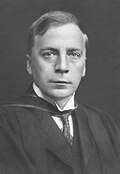
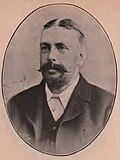
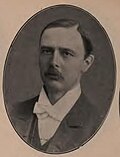
The early representatives of the region established the foundation of Shipley's political identity.
Frequently Asked Questions
Who is the current representative for Shipley based on the 2020s data?
Anna Dixon of the Labour Party is the representative, having gained the seat from the Conservatives with 21,738 votes.
Which party historically dominated Shipley in the early 1900s?
The Liberal Party dominated the early 1900s, with Percy Illingworth winning several elections, some of which were unopposed.
What was the highest recorded voter turnout in the provided data?
The highest turnout was 90.48%, recorded during an election in the 1950s.
How did the 2020s election change the political makeup of the seat?
The seat shifted from Conservative to Labour, characterized by a significant swing of 14.7 and a substantial decrease in the Conservative vote share (down 23.6%).
Who held the seat for the Conservatives during the 1970s and 80s?
Marcus Fox held the seat for the Conservative Party throughout the 1970s and 1980s.