Shi'a Muslims in Lebanon: History, Demographics, and Cultural Influence
The Shi'a community represents a cornerstone of Lebanon's complex social and religious fabric. Primarily adhering to Twelver Shia Islam, this population has evolved from geographically isolated groups into a central force in the nation's political and cultural landscape. Speaking Lebanese Arabic, the community's journey is marked by resilience, intellectual achievement, and a deep-rooted connection to the land.
Key Facts
- Estimated Population: Approximately 1,600,000 (as of 2005 estimate).
- Primary Faith: Twelver Shia Islam.
- Core Regions: Historically centered in Jabal Amel and Mount Lebanon.
- Demographic Trend: Increased from 17.2% of the population in 1921 to an estimated 31.2% in 2022.
- Key Sub-groups: Includes Shia Twelvers (Metouali), Alawites, and Isma'ilis.
Historical Origins and Evolution
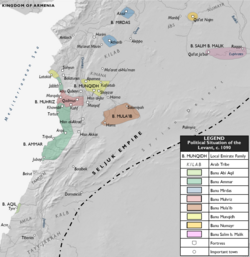
The origins of the Shi'a in Lebanon are subject to historical debate. In Mount Lebanon, the Twelver Shiites of Kisrawan were historically separate from those in Jabal Amel. Some historians suggest that Shia tribes were present as early as the Umayyad period or following the Munaytra uprising in 759, becoming well-established by 960. Conversely, other scholars argue the community formed after the First Crusade (c. 1097–1099) and the fall of Tripoli in 1109, which led to the depopulation of the city's Shia residents.
The French Mandate and Political Awakening
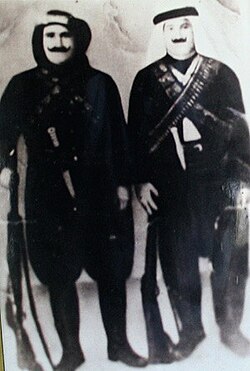
During the French mandate period, the community experienced significant unrest. This tension eased in 1921 when French authorities offered a political amnesty to Shiite rebels to integrate them into the new Mandate state. However, the Great Syrian Revolt of 1925 saw many Shiites joining rebels in Syria, playing pivotal roles in the battles of Akroum and the Qalamoun Mountains. During this conflict, Shia notables from Bint Jbeil and Nabatieh provided refuge to fleeing Christians, fostering strong inter-communal ties.
Demographics and Geographic Distribution
The Shi'a population has seen a steady increase in its proportion of the total Lebanese population over the last century. While the 1921 census recorded them at 17.2%, more recent estimates from the CIA World Factbook place the population at 31.2% as of 2022.
| Year | Shiite Population | Total Population | Percentage |
|---|---|---|---|
| 1921 | 104,947 | 609,069 | 17.2% |
| 1932 | 154,208 | 785,543 | 19.6% |
| 1975 | 668,500 | 2,550,000 | 26.2% |
| 1988 | 1,325,499 | 4,044,784 | 32.8% |
| 2022 | 1,652,600 | 5,296,814 | 31.2% |
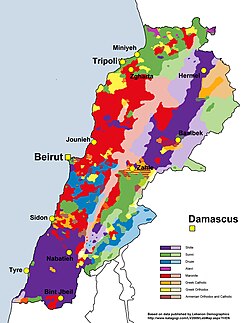
Geographically, the community is most concentrated in the Nabatieh, South, and Baalbek-Hermel governorates. While the North and Akkar governorates have smaller populations, they are home to significant Alawite communities, particularly in areas like Jabal Mohsen in Tripoli.
Prominent Figures and Contributions
The Lebanese Shi'a community has produced world-renowned scholars, political leaders, and artists who have shaped both national and international discourse.
Religious and Intellectual Leadership
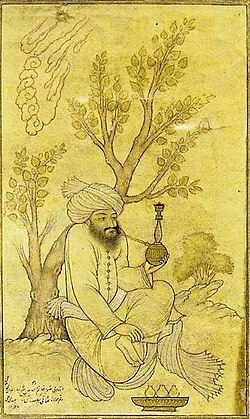
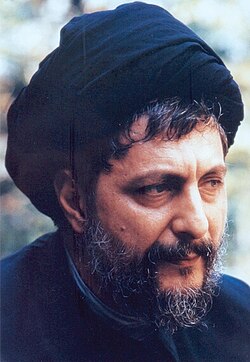
From the polymath Baha'uddin al-Amili to the reformist Musa al-Sadr, religious leaders have often doubled as social advocates. Sayyid Musa al-Sadr, in particular, became a foremost advocate for the Shia community, promoting social justice and interfaith dialogue.
Arts, Science, and Activism
The community's influence extends into the arts and sciences. Zaynab Fawwaz was a pioneering feminist, novelist, and poet who advocated for women's rights. In the modern era, figures like singer Ragheb Alama and choreographer Alissar Caracalla have brought Lebanese culture to the global stage. In science, Hassan Kamel Al-Sabbah made significant contributions to television transmission as an electrical engineer and mathematician.

Frequently Asked Questions
What are the main sub-groups of Shi'a Muslims in Lebanon?
The primary group is the Twelver Shia (often referred to as Metouali), but the community also includes Alawites and Isma'ilis.
Where is the Shi'a population most concentrated in Lebanon?
The highest concentrations are found in the Nabatieh, South, and Baalbek-Hermel governorates.
Who was Musa al-Sadr?
Sayyid Musa al-Sadr was an Iranian-born Lebanese Shia cleric and reformer who founded the Amal movement and advocated for the social and political rights of Lebanon's Shia community.
How has the Shi'a population percentage changed over time?
The population has grown significantly, from approximately 17.2% in 1921 to an estimated 31.2% by 2022.
What role did the community play during the French Mandate?
The community experienced periods of rebellion and unrest, with many participating in the Great Syrian Revolt of 1925, though they also maintained strong ties with local Christian populations during times of crisis.