Sheet Music: The Evolution of Musical Notation and Publishing
Sheet music is the handwritten or printed representation of musical notation. By using a standardized system of symbols, it communicates the pitches, rhythms, and chords of a composition, allowing musicians to recreate a piece of music accurately. While traditionally associated with paper, papyrus, or parchment, the medium has evolved significantly. Since the 1980s, digital screens and scorewriter software have allowed musicians to notate music electronically and even hear it played back via virtual instruments.
The term "sheet" distinguishes these written forms from audio recordings—such as vinyl, CDs, or digital broadcasts—which capture a specific performance rather than the underlying blueprint of the music. In modern commercial contexts, sheet music is often released alongside films, television shows, or albums to allow fans and professionals to perform the music themselves.

Key Facts

- First Printed Music: The first machine-printed sheet music appeared around 1473.
- Notation Literacy: Reading music is a specialized skill; some famous composers, including Irving Berlin and Paul McCartney, composed without being able to read or write notation.
- Digital Shift: Digital sheet music allows for instant transposition, instrument changes, and MIDI playback.
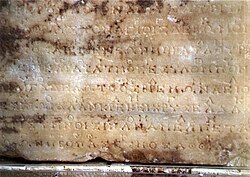
- Historical Roots: The earliest known musical notation dates back to a cuneiform tablet from Sumer (modern-day Iraq) around 2000 BC.
The Elements of Musical Notation
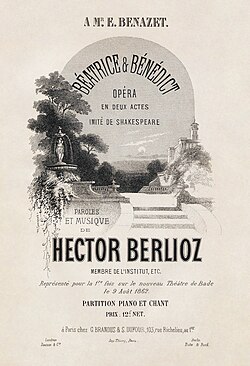
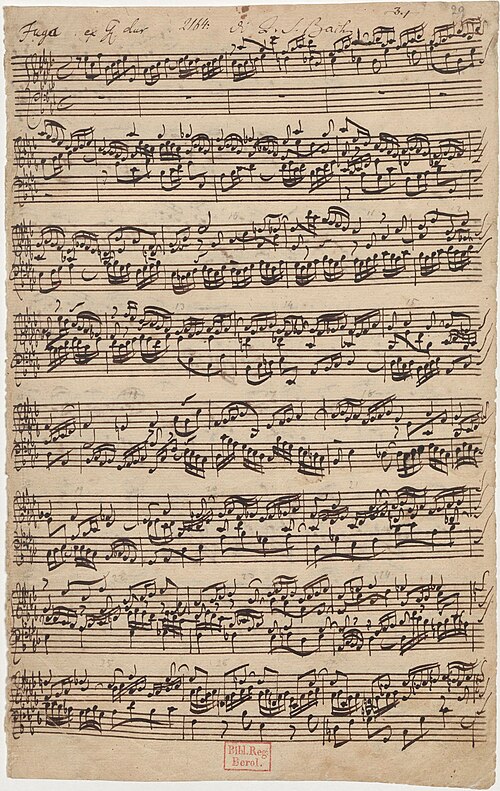
To read sheet music, one must understand several foundational components. Most compositions include a clef (such as the treble or bass clef) to establish the pitch range. From the Classical period (c. 1750) onward, composers typically included tempo markings—often in Italian, such as allegro (fast) or grave (slow)—and dynamics to indicate volume.
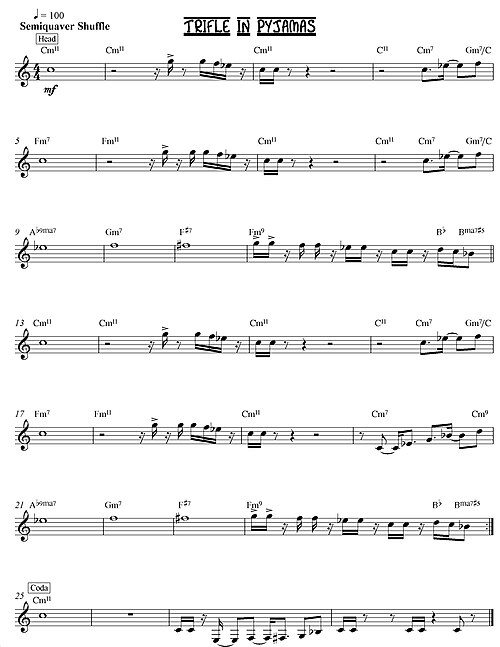
In contrast, music from the Baroque era (c. 1600–1750) often lacked these markings, as musicians were expected to apply their professional knowledge to determine the appropriate speed and volume. Modern classical and popular music may use native languages for tempo or provide specific metronome markings (e.g., 100 beats per minute). Popular music often adds chord symbols (like C Maj or G7) above the staff, enabling musicians to improvise accompaniments.
Types of Musical Scores
Full and Vocal Scores
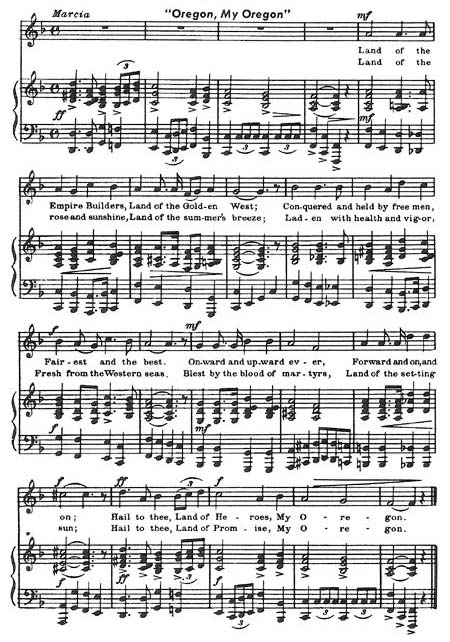
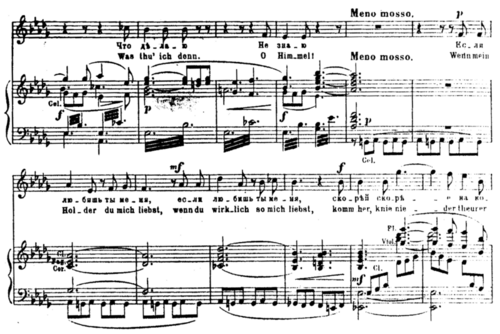
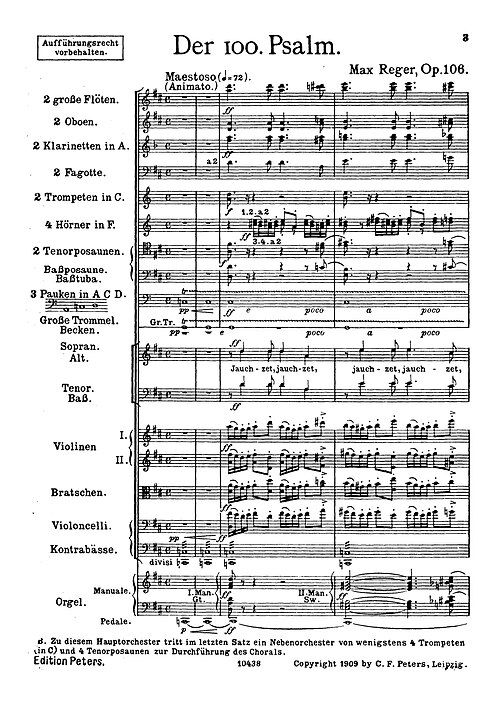
A full score contains all the parts for every instrument in an ensemble. For convenience, vocal scores are often created for operas or musicals. These piano-vocal scores allow singers to rehearse without a full orchestra, providing a piano reduction of the orchestral parts. In contemporary theater, these are sometimes played on synthesizers.
Historical and Specialized Formats
During the Baroque period, a common format was the figured bass. This consisted of a bass line with numerical figures written above the notes, instructing the keyboardist or lute player which intervals and chords to play.
Song Sheets
Distinct from full sheet music, song sheets were cheaper alternatives that provided only the lyrics. Popular in the early 20th century, they were often used by choral societies to save money. This led to a rise in "bootleg" song sheets—unauthorized lyrics printed without copyright permission—which became a significant legal issue in the 1930s before the rise of legitimate song sheet magazines.
A History of Music Printing
Early Printing and Engraving
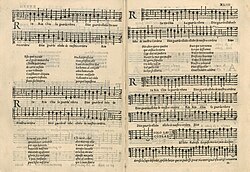
Following the invention of the printing press, Ottaviano Petrucci published the Harmonice Musices Odhecaton in 1501. His early method required three separate passes through the press to align the staff lines and notes perfectly. By 1520, single-impression printing emerged in London, streamlining the process.
In 1581, mechanical plate engraving was introduced. This involved engraving a mirror image of the music onto a metal plate (initially copper, later pewter). Because plates could be stored and reused, this became the preferred method for many engravers.
The Rise of Tin Pan Alley
In the 19th century, sheet music was the primary driver of the music industry. In New York City, a district known as Tin Pan Alley became the hub of music publishing after 1885. This era coincided with the popularity of "parlour music," where middle-class families would purchase sheet music to perform the latest hits on their home pianos.
![Buildings of New York City's Tin Pan Alley music publishing district in 1910.[12]](/images/d1/49/d149793f4fd6697cd7444233dbe144c45b06c5fa879ceaebb0dab78efe972d47.jpg)
The Digital Revolution
The 20th century saw the decline of sheet music publishers as the phonograph and radio became dominant. However, the late 20th century brought a digital rebirth. Software like Music Construction Set (1984) introduced mouse-driven notation, and by 1998, digital sheet music allowed for online purchases and MIDI playback.
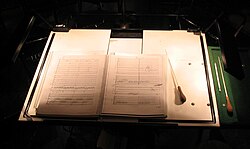
Modern innovations include computer-screen-based parts for orchestras, patented by Harry Connick Jr. in 1999. These systems allow musicians to adjust brightness and use foot pedals for page turns, eliminating the risk of missing a note while turning a physical page.
Summary of Sheet Music Evolution
| Era/Period | Primary Medium/Method | Key Characteristic |
|---|---|---|
| Ancient (c. 2000 BC) | Cuneiform Tablets | Fragmentary instructions in Sumer |
| Renaissance (15th-16th C) | Printing Press / Engraving | Introduction of polyphonic printed music |
| Baroque (1600-1750) | Manuscripts / Figured Bass | Implicit tempo and dynamics |
| 19th Century | Commercial Publishing | Tin Pan Alley and Parlour Music |
| Modern (1980s-Present) | Digital Software / Screens | MIDI playback and instant transposition |
Frequently Asked Questions
![Example of 16th century handwritten sheet music and music notation. Excerpt from the manuscript "Muziek voor 4 korige diatonische cister".[8]](/images/7a/c1/7ac1e27cdfa74d464f50258d689d16c12bd6a8bd404a008b6079f3bccba49a78.jpg)
Do you need to be able to read music to compose it?
No. Many successful composers and songwriters, such as Irving Berlin and Paul McCartney, have produced music without the ability to read or write musical notation, often using an amanuensis to transcribe their melodies.
What is the difference between a full score and a vocal score?
A full score contains every instrumental and vocal part of a composition. A vocal score is a condensed version, usually for piano and voice, used by singers to rehearse without needing a full orchestra.
What was "Tin Pan Alley"?
Tin Pan Alley was a collection of music publishers and songwriters in New York City that dominated the American music industry in the late 19th and early 20th centuries, focusing heavily on vocal music.
How does digital sheet music differ from traditional paper music?
Digital sheet music can be manipulated in real-time, allowing for changes in instrumentation, transposition of keys, and the ability to play back the music via MIDI. It also allows for electronic page-turning via foot pedals.
What is figured bass?
Figured bass is a Baroque-era notation system where numbers are written above a bass line to indicate which chords or intervals the accompaniment player (such as a harpsichordist) should play.