Sharks: Biology, Evolution, and Conservation of the Ocean's Apex Predators
Sharks are among the most misunderstood and formidable creatures in the global ocean. Belonging to the class Chondrichthyes (cartilaginous fishes), these predators have navigated the Earth's waters since the Early Jurassic period. From the massive whale shark to the streamlined reef shark, they play a critical role in maintaining the health of marine ecosystems by regulating prey populations.
Unlike most fish, sharks possess a skeleton made of cartilage rather than bone, providing them with a lightweight and flexible frame that is essential for efficient swimming and hunting.
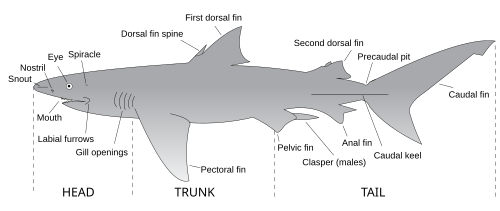
Key Facts

- Temporal Range: Present from the Early Jurassic to the modern era.
- Skeletal Structure: Composed of cartilage, not bone.
- Diverse Reproduction: Includes egg-laying (oviparity) and live birth (viviparity).
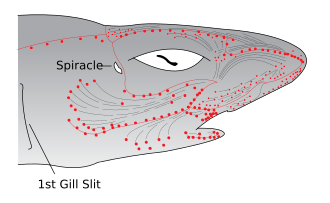
- Sensory Mastery: Capable of detecting electromagnetic fields via the ampullae of Lorenzini.
- Conservation Status: Approximately one-quarter of shark and ray species face extinction.
Anatomy and Specialized Physiology
Dental Structure and Skin
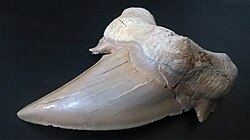
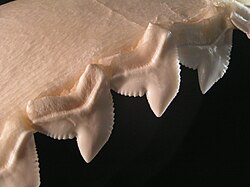
One of the most defining features of a shark is its teeth. Shark teeth are designed for specific dietary needs; for example, tiger sharks possess oblique, serrated teeth ideal for sawing through flesh. These teeth are continuously replaced throughout the shark's life.
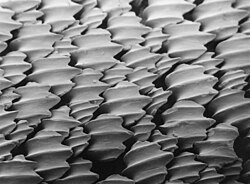
The skin of a shark is covered in dermal denticles, which are small, tooth-like scales. These structures reduce drag in the water and protect the shark's skin from parasites and abrasions.
Sensory Systems
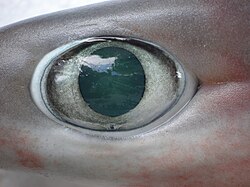
Sharks possess a sophisticated array of senses that make them elite hunters. While they are likely color-blind, their other senses are highly developed:
- Olfaction: An acute sense of smell. In hammerhead sharks, the wide head shape may enhance this ability by spacing the nostrils further apart.
- Electroreception: Using the ampullae of Lorenzini, sharks can detect the weak electromagnetic fields generated by the muscle contractions of prey.
- Lateral Line: A system of motion-detecting canals that sense vibrations and pressure changes in the surrounding water.

Life History and Reproduction

Sharks exhibit a wide variety of reproductive strategies, making them biologically diverse within their class.
Reproductive Methods
- Oviparity: The female lays eggs in protective cases. Some egg cases can reach 12 centimeters in length and feature spiral bands.
- Viviparity: The embryo develops inside the mother, often receiving nutrients via a placenta, as seen in the silvertip shark.
- Ovoviviparity: Eggs hatch inside the female's body, and the young are born live.


Sexual Characteristics
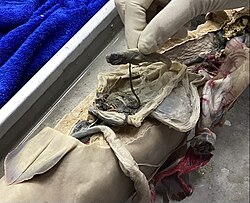
Male sharks are distinguished by claspers, which are paired organs used to transfer sperm to the female during mating.

Ecology and Human Interaction
Feeding and Habitat
Sharks occupy various niches in the ocean, from shallow coral reefs to the deep sea. Their feeding habits range from filter-feeding (whale sharks) to active predation (great white sharks). While often feared, most sharks are shy; for instance, blacktip reef sharks are generally harmless to humans unless visibility is poor and they mistake a person for prey.



Cultural Impact
Sharks have a complex relationship with human culture. They appear as guardian gods in Hawaiian traditions and as iconic nose art on military aircraft, popularized by the Flying Tigers.

Threats and Conservation
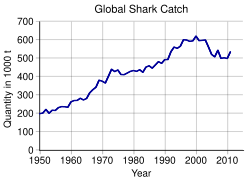
Despite their status as apex predators, sharks are highly vulnerable to human activity. The annual shark catch has risen sharply over the last 60 years.
The Impact of Shark Finning
The demand for shark fin soup has led to the practice of finning, where fins are removed and the rest of the shark is discarded into the sea. This practice is not only ecologically devastating but also poses health risks to humans due to the presence of BMAA (beta-methylamino-L-alanine) in the fins.

Conservation Efforts
Many regions have implemented bans on the shark fin trade, and international bodies are working to protect endangered species. However, controversial practices like shark culling (using nets or drum lines) continue in some areas, often with limited effectiveness in protecting swimmers and significant negative impacts on marine biodiversity.

| Feature | Description/Detail |
|---|---|
| Skeleton | Cartilaginous (Chondrichthyes) |
| Key Senses | Electroreception, Olfaction, Lateral Line |
| Reproduction | Oviparous, Viviparous, and Ovoviviparous |
| Major Threats | Overfishing, Finning, Culling |
| Extinction Risk | ~25% of sharks and rays are threatened |
Frequently Asked Questions
Do sharks have bones?
No, sharks do not have bones. Their skeletons are made of cartilage, which is lighter and more flexible than bone, allowing them to move more efficiently through the water.
How do sharks detect prey they cannot see?
Sharks use the ampullae of Lorenzini to detect electromagnetic fields produced by other living creatures, as well as a lateral line system to sense vibrations and pressure changes in the water.
What is shark finning?
Shark finning is the practice of removing a shark's fins for use in soup and discarding the rest of the animal back into the ocean, often while the shark is still alive.
Are all sharks dangerous to humans?
No. Most sharks are shy and avoid humans. While some species may bite if they mistake a human for prey or are provoked, many species, such as the whale shark or blacktip reef shark, are generally harmless.
How do sharks reproduce?
Sharks use three different methods: some lay eggs (oviparity), some give birth to live young (viviparity), and some have eggs that hatch inside the mother before birth (ovoviviparity).