Sexual Selection: The Evolutionary Drive for Mating Success
In the natural world, survival is only half the battle. For many species, the true challenge lies in reproduction. Sexual selection is a fundamental mechanism of evolution that drives how organisms compete for mates and ensure their genetic legacy. Unlike natural selection, which often focuses on survival against environmental pressures, sexual selection focuses on the ability to secure a partner and produce offspring.
This evolutionary process occurs through two primary pathways: intersexual selection, where members of one sex choose mates based on specific traits, and intrasexual selection, where members of the same sex compete directly for access to the opposite sex. Through these mechanisms, certain individuals achieve higher reproductive success, often leading to the development of striking physical differences between males and females.
Key Facts
- Intersexual selection involves mate choice, often driven by one sex preferring specific attractive traits.
- Intrasexual selection involves direct competition between members of the same sex.
- Sexual selection can lead to sexual dimorphism, where males and females exhibit different physical characteristics.
- The Fisherian runaway is a positive feedback loop where a trait and the preference for it evolve together.
- Sexual selection is observed across diverse taxa, including mammals, birds, insects, plants, and fungi.
The Foundations of Sexual Selection Theory
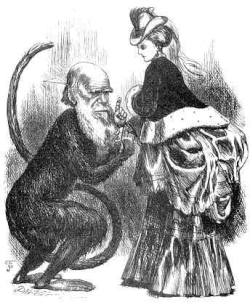
The concept was first articulated by Charles Darwin, who proposed it as a "second agency" of evolution alongside natural selection. Darwin recognized that competition for mates could be a powerful force in driving the formation of new species. While Darwin provided the initial framework, the theory gained a rigorous mathematical foundation in the early 20th century through the work of Ronald Fisher.
Reproductive Success and Fitness
At its core, sexual selection is about maximizing reproductive success. For males, success often means monopolizing access to fertile females through frequent mating. For females, success involves maximizing the return on the significant energy they invest in reproduction by selecting the highest-quality mates. This selection process ensures that advantageous traits are passed on to the next generation.
Fisherian Runaway and Sexual Dimorphism
One of the most fascinating aspects of this theory is the Fisherian runaway. This is a positive feedback mechanism where a specific trait in one sex and the preference for that trait in the other sex reinforce each other. As females choose males with a certain characteristic, that trait becomes more common, and the preference for it becomes equally widespread, potentially leading to extreme physical features.
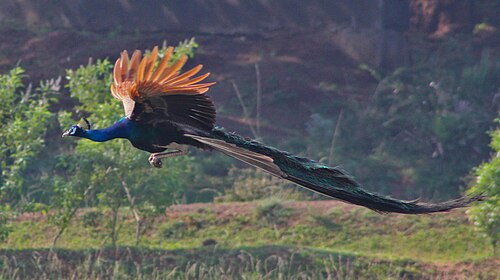
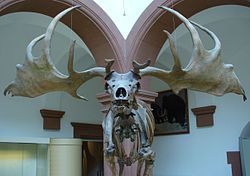
This process often results in sexual dimorphism—the distinct difference in size or appearance between the sexes of the same species. We see this in the ornate plumage of birds-of-paradise or the massive antlers of deer. However, these traits can sometimes reach extremes that may even impact survival, such as the enormous antlers of the extinct Irish elk.
Sexual Selection Across the Animal Kingdom
Sexual selection is a universal phenomenon, though its expression varies wildly depending on the species and its biological requirements.
Mammals and Birds
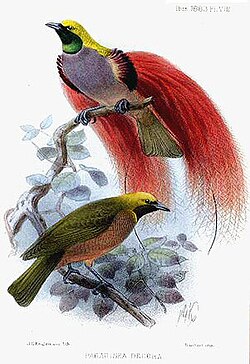
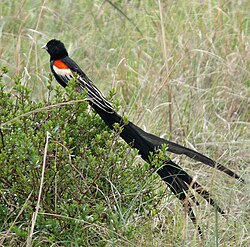
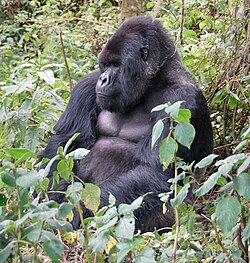
In many mammals, sexual selection manifests as size differences. For example, the male mountain gorilla is significantly larger than the female. In the avian world, display is a primary tool for attraction, seen in the elaborate courtship rituals of birds-of-paradise or the long tails of widowbirds.
Insects, Reptiles, and Other Taxa
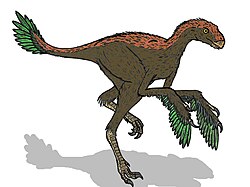
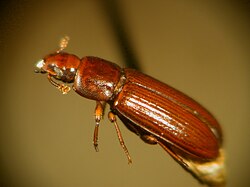
The influence of sexual selection extends deep into the invertebrate world. In arthropods, such as flour beetles, sexual selection has been shown to play a role in protecting populations from extinction. In reptiles, such as the Indian rat snake, territoriality and competition are common. Even in the evolutionary history of flight, feathers in species like Protarchaeopteryx may have served courtship purposes before they were utilized for flight.
Plants and Fungi
It is a common misconception that sexual selection is limited to animals. It is also a vital force in the evolution of plants and fungi, influencing traits like flower symmetry to attract pollinators or driving reproductive strategies in hermaphroditic organisms.
Summary of Selection Mechanisms
| Mechanism | Primary Driver | Common Result |
|---|---|---|
| Intersexual Selection | Mate choice (one sex selecting the other) | Ornate displays, bright colors, elaborate songs |
| Intrasexual Selection | Competition (same-sex combat or rivalry) | Increased body size, weaponry (antlers, horns) |
Frequently Asked Questions
What is the difference between natural and sexual selection?
Natural selection refers to the process where organisms better adapted to their environment tend to survive and produce more offspring. Sexual selection is a specific type of selection focused on the ability to acquire mates and successfully reproduce.
Can sexual selection ever be harmful to a species?
Yes. While sexual selection promotes reproductive success, the traits it produces can sometimes be so extreme that they hinder survival. For example, massive antlers or heavy plumage can make an animal more vulnerable to predators or energy depletion.
What is sex role reversal?
Sex role reversal occurs when the traditional mating roles of males and females are swapped, often seen in certain species of fish where females compete for mates and males provide the primary parental care.
How does the Fisherian runaway work?
It is a feedback loop where a female preference for a male trait and the male trait itself evolve together. The more females prefer the trait, the more successful males with that trait become, which in turn increases the frequency of the preference in the next generation.
Is sexual selection only found in animals?
No. Sexual selection is also found in plants, where traits evolve to attract pollinators, and in fungi, influencing their reproductive and mating strategies.