Seville: The Historic Heart of Andalusia
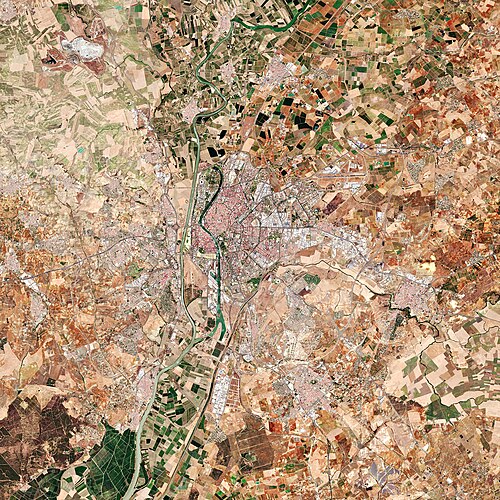
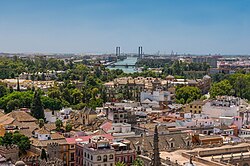
Seville, the capital of the province of Seville and the autonomous community of Andalusia, stands as one of Spain's most vibrant and historically rich cities. Located along the banks of the Guadalquivir River, it is the largest city in Andalusia and the fifth largest in Spain, blending a deep imperial past with a spirited modern identity. Known for its stunning architecture, passionate flamenco, and sunny climate, Seville continues to be a global beacon of Spanish culture.
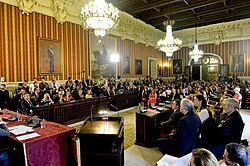
The city is governed by the Ayuntamiento (City Council), currently led by Mayor José Luis Sanz. With a municipal population of 686,741 and a wider metropolitan area exceeding 1.5 million people, Seville is a bustling urban center that maintains a high quality of life and a strong economic presence, with a metro GDP of €36.785 billion as of 2020.
Key Facts
- Rank: 1st largest city in Andalusia; 5th in Spain.
- Motto: NO8DO ("She has not abandoned me").
- Geography: Situated at an elevation of 7 meters, bordering the Guadalquivir River.
- Climate: Characterized by hot summers and mild winters, often referred to as the "frying pan" of Spain.
- Culture: A global center for Flamenco and home to world-renowned festivals like the Feria de Abril.
A Journey Through History
Early Periods and the Middle Ages
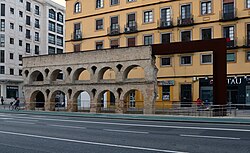
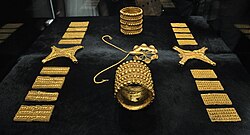
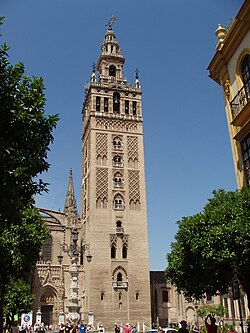
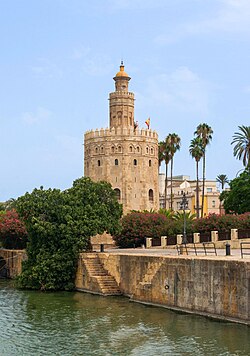
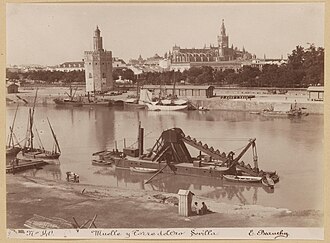
Seville's origins stretch back to antiquity, with early evidence found in the Tartessian sanctuary of El Carambolo. Over centuries, the city evolved through Roman influence and later became a pivotal center under Almohad rule. The Almohads left an indelible mark on the city's skyline, constructing the Giralda—originally a minaret for the Great Mosque—and the Torre del Oro, a defensive military watchtower.
The Early Modern and Late Modern Eras
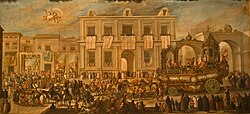
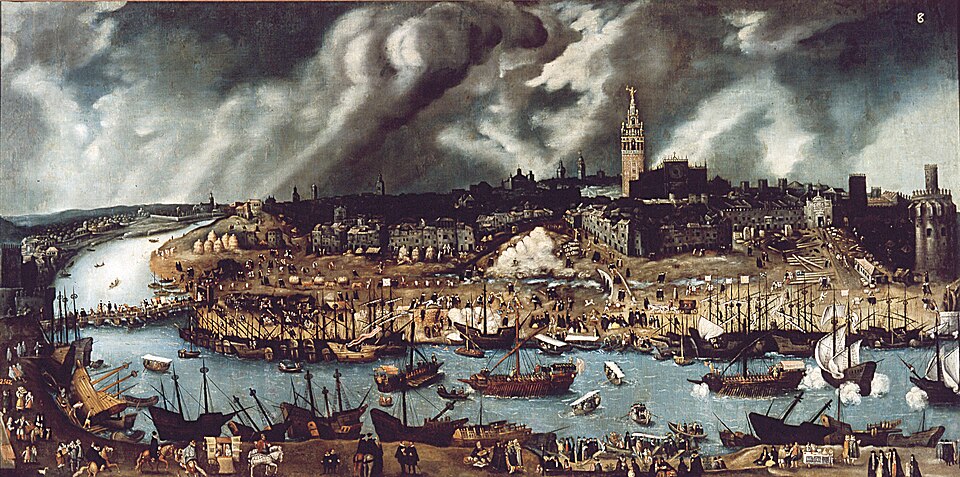
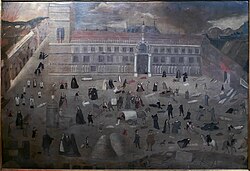
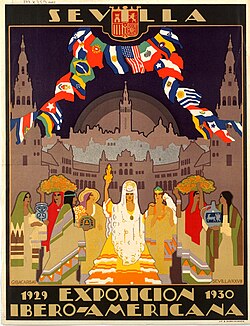
During the 16th century, Seville rose to global prominence as the gateway to the Americas. This era of wealth is reflected in its Plateresque (a highly ornate Spanish Renaissance style) and Baroque architecture. However, the city also faced hardships, including the devastating plague of 1649. By the 19th and 20th centuries, Seville transitioned into a modern administrative and cultural hub, hosting major events such as the Ibero-American Exposition of 1929 and the Universal Exposition of 1992.
Geography and Climate
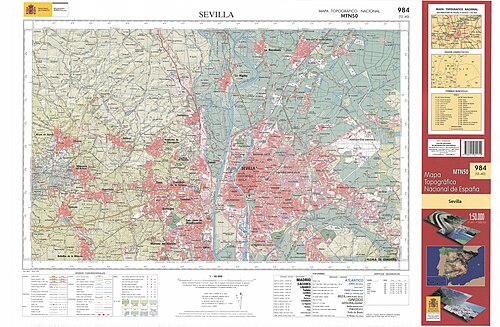
Seville is located in the Guadalquivir valley, which contributes to its unique climatic conditions. The city experiences a Mediterranean climate with significant temperature extremes. Summers are notoriously hot, with record highs reaching 46.6°C, while winters remain mild, rarely dropping far below freezing.
| Month | Mean Max Temp (°C) | Mean Min Temp (°C) | Avg Precipitation (mm) | Sunshine Hours |
|---|---|---|---|---|
| January | 16.3 | 6.0 | 56.3 | 189 |
| April | 24.0 | 11.6 | 51.5 | 255 |
| July | 36.3 | 20.7 | 0.6 | 369 |
| October | 26.3 | 14.9 | 75.4 | 229 |
Architectural and Cultural Landmarks
Palaces and Religious Sites
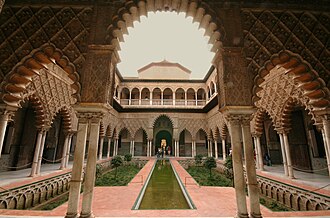
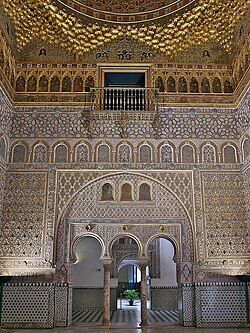
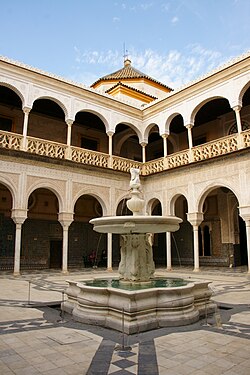
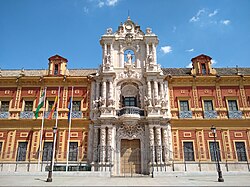
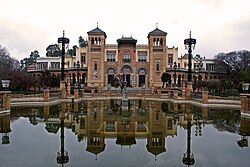
The city is home to the Cathedral of Saint Mary of the See, one of the largest cathedrals in the world. Nearby, the Alcázar of Seville offers a stunning example of Mudéjar architecture, featuring the Patio de las Doncellas and the Salón de Embajadores. Other notable residences include the Casa de Pilatos and the Baroque Palacio de San Telmo.
Civic Spaces and Museums
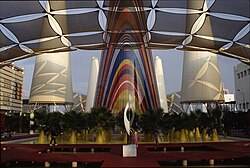
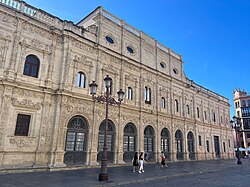
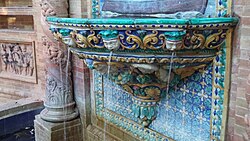
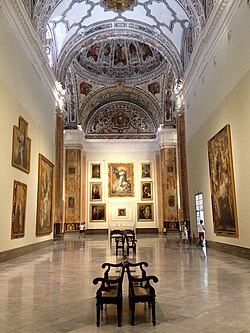
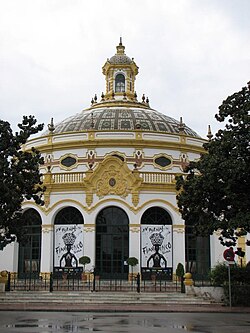
Seville's urban landscape is dotted with landmarks such as the City Hall with its Plateresque façade and the modern Metropol Parasol. For nature and art, the Parque de María Luisa provides a lush escape, while the Museum of Fine Arts and the Museum of Arts and Traditions preserve the region's creative heritage.
Culture, Traditions, and Gastronomy
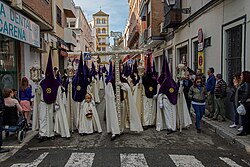
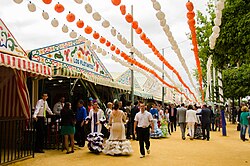
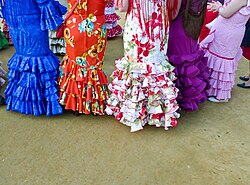
Seville is the spiritual home of Flamenco, an art form combining song, dance, and guitar. The Triana district is particularly famous as a benchmark for this tradition. The city's calendar is marked by the Holy Week (Semana Santa) processions and the Feria de Abril, where locals dress in traditional costumes and gather in casetas (tents).
![Hailing from Seville, Triana is considered as the benchmark of flamenco rock and as the founding fathers of rock andaluz.[152]](/images/cb/7a/cb7a97fe9d30a07cfd40dc8222ec2d0a47a07aee3d8b8674c7dc9a2cd53347a8.jpg)
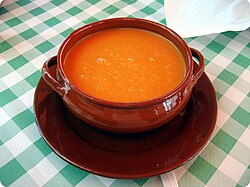
Gastronomically, Seville is celebrated for its fresh ingredients, most notably the Andalusian Gazpacho, a chilled tomato-based soup perfect for the city's intense heat.
Modern Infrastructure and Economy
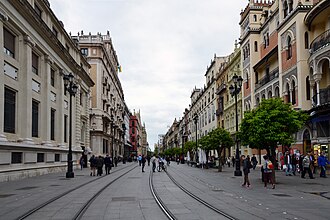
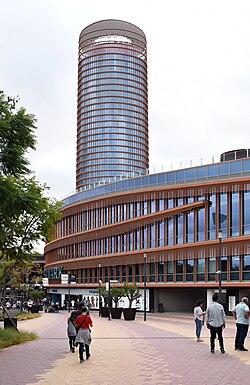
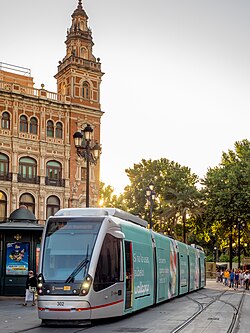
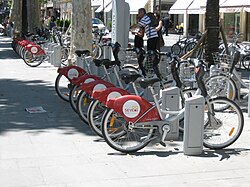
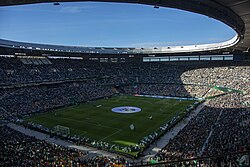
Today, Seville is a well-connected city with a diverse transport network including a Metro system, the MetroCentro tram, and the Sevici bicycle rental scheme. The city is served by the San Pablo Airport and a strategic port on the Guadalquivir. Modern additions like the Sevilla Tower and the La Cartuja Stadium highlight the city's continued growth and investment in tourism and sports.


Frequently Asked Questions
What is the meaning of Seville's motto NO8DO?
The motto NO8DO is a clever linguistic play that translates to "Ella no me ha dejado," meaning "She has not abandoned me," referring to the city's resilience and loyalty.
Which architectural styles are most prominent in Seville?
Seville features a rich mix of Almohad (Islamic), Mudéjar, Plateresque (Renaissance), and Baroque styles, reflecting its history of various ruling cultures.
What is the best time to visit based on the weather?
Due to extreme summer heat (often exceeding 36°C), the spring (April) and autumn (October) are generally the most pleasant times to visit, offering milder temperatures and moderate rainfall.
What are the most important cultural festivals in Seville?
The most significant festivals are Holy Week (Semana Santa), known for its religious processions, and the Feria de Abril, a celebration of Andalusian culture, music, and dance.
How is the city of Seville connected for travelers?
Seville is accessible via the San Pablo Airport, a comprehensive train network, and a local transport system consisting of buses, a metro, and a tram (MetroCentro).