Zaragoza: The Florence of Spain
Known as the "Florence of Spain," Zaragoza is a city where millennia of history converge. As the capital of the Aragon autonomous community and the fourth most populous city in Spain, it serves as a vital cultural and economic bridge between Madrid and Barcelona. With a population of 699,007 as of 2025, Zaragoza is not only the heart of Aragon—housing over 50 percent of the region's population—but also a testament to the enduring legacy of Roman, Islamic, and Christian civilizations.
Geography and Urban Layout
Zaragoza is situated at an average elevation of 208 to 243 meters above sea level, spanning a municipality area of 973.78 square kilometers. This makes it the ninth largest municipality in Spain by land area. The city is administratively organized into 15 urban districts, such as the Casco Histórico (historic center) and El Rabal, along with 14 rural neighborhoods.
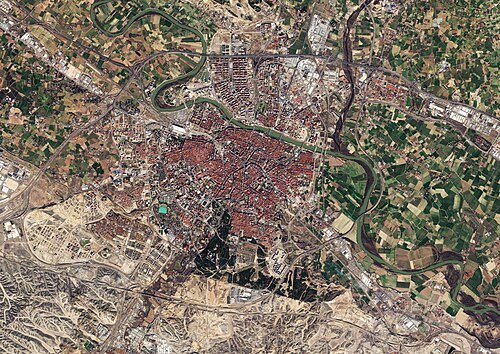
The city's landscape is captured in high detail by modern satellite imagery, showcasing its strategic position within the Ebro valley.
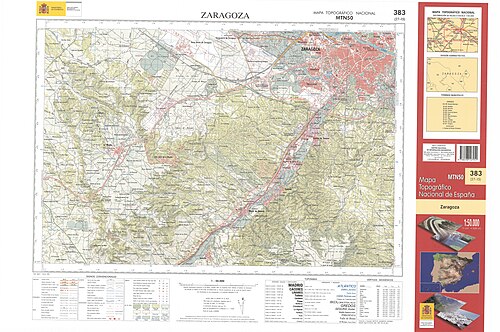
For those studying the city's topography, the National Topographic Map of Spain (MTN50) provides a precise 1:50,000 scale view of the region's terrain.
A Journey Through History
Roman Origins and the Middle Ages
The city's roots trace back to Caesaraugusta, a Roman settlement characterized by its structured grid of streets, including the Decumano and Cardo, and centered around a forum and thermal baths.
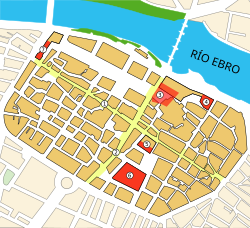
By 1018, following the collapse of the Caliphate of Córdoba, Zaragoza became an independent Taifa—a small, independent Muslim city-state. Under the rule of the Tujibid and later the Banu Hud families, the city flourished as a center of culture and politics before falling to the Almoravids in 1110.
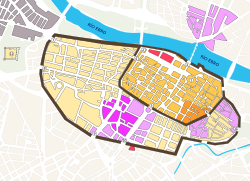
Zaragoza also held a significant Jewish community, which once boasted seven synagogues. Despite facing persecution and the eventual Edict of Expulsion in 1492, the community left a lasting mark on the city's intellectual history.
Early Modern Struggles and Resilience
The city's journey through the early modern era was marked by both tragedy and political upheaval. In 1564, a devastating outbreak of bubonic plague killed approximately 10,000 residents. Later, during the War of the Spanish Succession (1701–1714), the city shifted allegiances between the Habsburg and Bourbon factions. This period saw the introduction of the Nueva Planta, a series of institutional reforms that replaced Aragonese laws with Castilian ones.
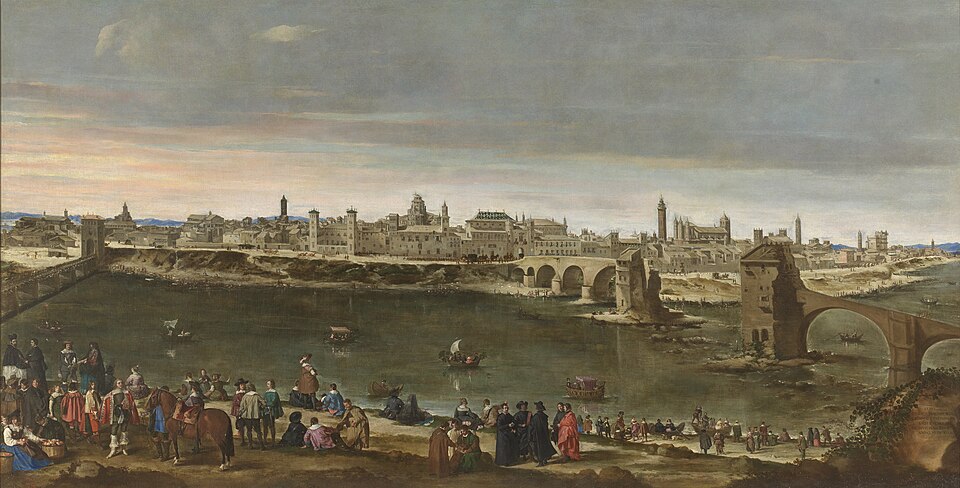
Social unrest also flared in April 1766 during the motín de los broqueleros, a food riot sparked by the high cost of bread, which resulted in violent repression and public executions.
The Napoleonic Era and Modernity
Zaragoza is renowned for its fierce resistance during the Peninsular War. The city endured two brutal sieges by Napoleon's army between 1808 and 1809, with roughly 50,000 defenders losing their lives before the city finally surrendered.
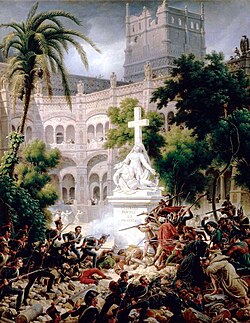
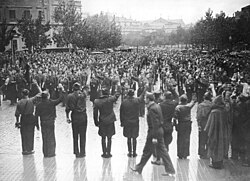
The 19th and 20th centuries brought industrialization and modernization. Railway transport arrived in 1861, connecting the city to Barcelona and Madrid. However, the modern era also saw dark moments, including a deadly hotel fire in 1979 and a 1987 bombing by the separatist group ETA, which sparked massive public demonstrations.
Economy and Infrastructure
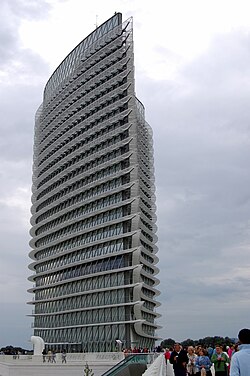
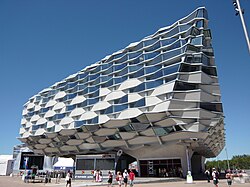
Zaragoza has evolved into a major logistics and technological hub. The city's economy was significantly boosted by Expo 2008, a World's Fair focused on water and sustainable development. This event left a lasting architectural legacy, including the Torre del Agua.
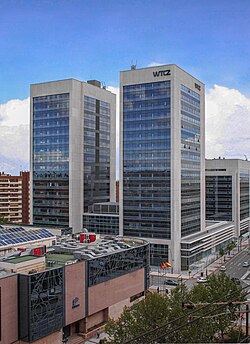
The city is home to the World Trade Center Zaragoza (WTCZ) and the Plataforma Logística de Zaragoza (PLAZA), reinforcing its status as a commercial powerhouse.
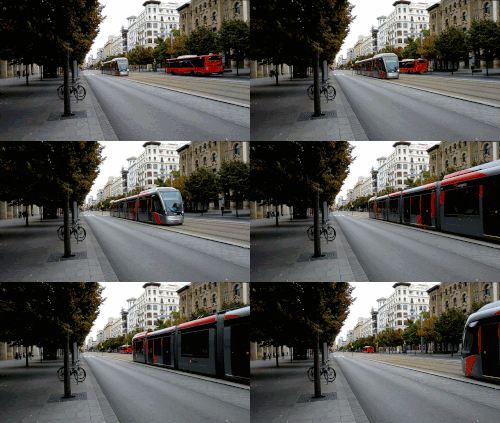
Transportation is a cornerstone of the city's efficiency. Zaragoza is served by the AVE (high-speed rail) and a modern tram system that traverses major thoroughfares like Paseo de la Independencia.
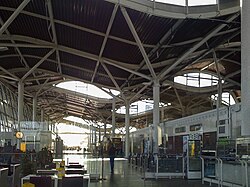
The Zaragoza Airport is one of the most important cargo hubs on the Iberian Peninsula, trailing only the major capitals of Madrid, Barcelona, and Lisbon.
Architectural innovation is further exemplified by the Third Millennium Bridge. This structure is the world's largest concrete tied-arch bridge, featuring six traffic lanes, bike lanes, and glass-enclosed pedestrian walkways.
![Zaragoza's Third Millennium Bridge spans the Ebro and is the world's largest concrete tied-arch bridge, with six traffic lanes, two bike lanes, and two glass-enclosed walkways for pedestrians.[73]](/images/77/3c/773c1ea2d198c6afa1cb3a2ddd69309e1fcdf2e50bbf5745f67375da56f6b763.jpg)
Culture, Sports, and Society
Festivals and Landmarks
The city's spiritual and cultural life centers around the Cathedral-Basilica of Our Lady of the Pillar and La Seo. Major annual events include the Fiestas del Pilar, famous for the Offering of Fruits, and the solemn processions of Semana Santa (Holy Week).
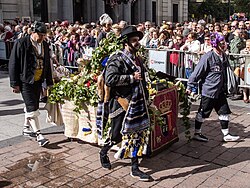
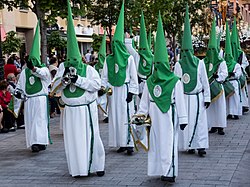
Visitors can also explore the Aljafería Palace, a stunning example of Islamic architecture, and the remnants of the Roman walls.
Sports and Recreation
Football is a passion in Zaragoza, with Real Zaragoza playing their home matches at La Romareda. The club is celebrated for winning the UEFA Cup Winners' Cup in 1995 and six Copa del Rey titles.
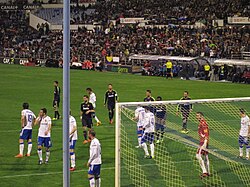
The city also supports CD Ebro and a highly competitive basketball scene. Basket Zaragoza (Casademont Zaragoza) competes in the Liga ACB, and the city is set to host the EuroLeague Women final venue from 2025 to 2027.
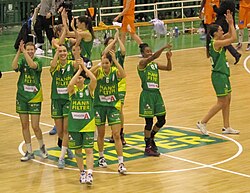
For leisure, residents frequent the Labordeta Grand Park and other green spaces throughout the urban landscape.
Zaragoza at a Glance
| Category | Detail |
|---|---|
| Population | 699,007 (4th in Spain) |
| Land Area | 973.78 km² |
| Elevation | 243 m (Average) |
| GDP (Metro 2020) | €26.004 billion |
| Key Infrastructure | AVE High-Speed Rail, Zaragoza Airport |
| Major Landmarks | Basilica del Pilar, Aljafería, Third Millennium Bridge |