Sevilla FC: A Legacy of Passion and European Glory
Founded on January 25, 1890, Sevilla FC stands as one of Spain's most storied football institutions. Known affectionately by nicknames such as Los Nervionenses and Blanquirrojos (White-and-Reds), the club has evolved from a local sporting venture into a dominant force in European football. Based in the heart of Andalusia, the club is a symbol of civic pride and athletic excellence.
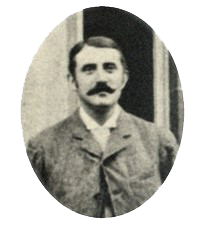
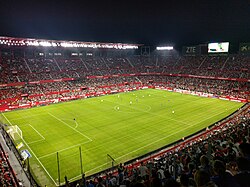
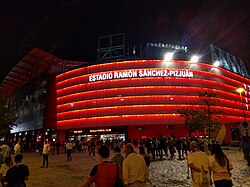
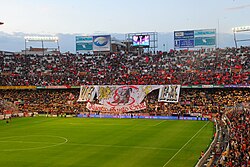
The club's identity is deeply intertwined with its home, the Estadio Ramón Sánchez-Pizjuán, a venue with a capacity of 42,714 that serves as a fortress for the Sevillistas (supporters). From its early days under founder and first president Edward F. Johnston to its modern era of global recognition, Sevilla FC has maintained a tradition of resilience and success.
Key Facts
- Founded: January 25, 1890.
- Home Ground: Estadio Ramón Sánchez-Pizjuán.
- Primary Nicknames: Blanquirrojos, Rojiblancos, and Los Hispalenses.
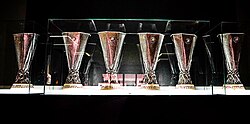
- European Speciality: The only team to win the UEFA Europa League three consecutive times (2013–2016).
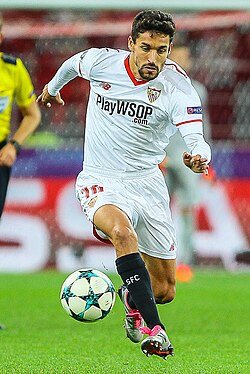
- All-time Appearance Leader: Jesús Navas with 705 official matches.
- Current League: La Liga.
Historical Evolution
Foundation and Early Years
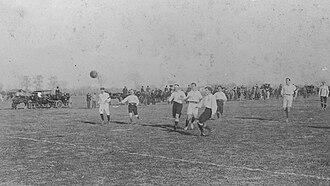
The early history of Sevilla FC was marked by the establishment of foundational structures and local rivalries. In its formative years, the club began competing in regional matches, including early encounters with teams like Real Club Recreativo de Huelva in 1909.
The Era of Stability and Growth
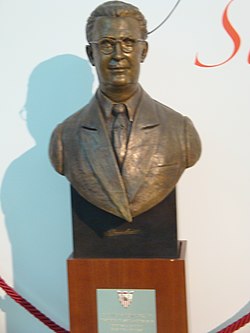
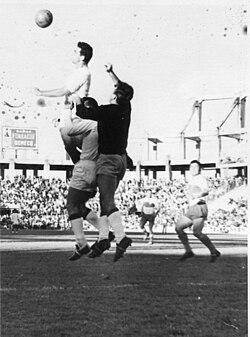
As the club transitioned into the professional era, it established itself as a consistent competitor in La Liga. The mid-20th century saw the influence of legendary figures like Ramón Sánchez-Pizjuán, whose leadership helped stabilize the club and eventually led to the construction of the stadium that now bears his name.
21st Century Dominance and European Success
The turn of the millennium ushered in a golden age for the club. Sevilla FC transformed into a powerhouse, particularly in the UEFA Europa League. The club achieved an unprecedented feat by winning the competition three times in a row between 2013 and 2016, cementing its reputation as the "Kings" of the tournament.
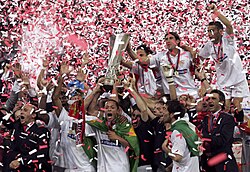
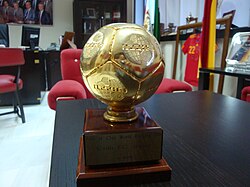
This era of success was further highlighted by the 2006 IFFHS trophy, recognizing them as the best football team in the world at that time.
Club Symbols and Identity
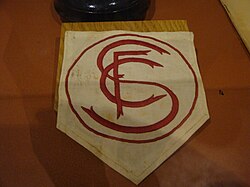
Sevilla FC is defined by its striking red and white colors. The club's crest and flag are revered symbols of its heritage, while its official anthems serve to unite the fans during match days. The club's kit has seen various manufacturers over the decades, including Adidas, Umbro, and Castore.
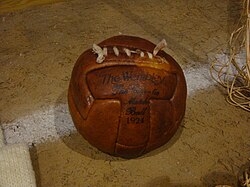
The Stadium Experience
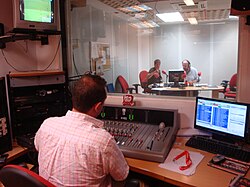
The Ramón Sánchez-Pizjuán Stadium is more than just a pitch; it is a hub of activity featuring the SFC Radio studio and a museum that houses the club's extensive trophy collection, including six UEFA Europa League trophies.
Club Statistics and Records

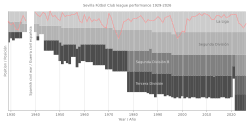
Sevilla FC's longevity is reflected in its league record, boasting 83 seasons in La Liga and 13 in the Segunda División. The club has consistently contributed to the Spanish national team, providing 37 international players.
| Category | Statistic / Detail |
|---|---|
| Total La Liga Seasons | 83 |
| Total Segunda División Seasons | 13 |
| All-time La Liga Position | 6th |
| UEFA Europa League Titles | Multiple (including 3 consecutive) |
| Most Appearances | Jesús Navas (705) |
| All-time Top Scorer | Campanal I (226 goals) |
Current Structure and Management

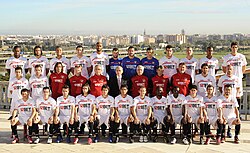
As of 2026, the club is led by President José María del Nido Carrasco and head coach Luis García Plaza. The squad is captained by Gabriel Suazo, with Marcão serving as vice-captain. The club continues to integrate young talent through its reserve squad, ensuring a pipeline of future stars.
Frequently Asked Questions
Who is the all-time leading appearance maker for Sevilla FC?
Jesús Navas holds the record for the most official appearances in the club's history, having played 705 matches across all competitions.
What is Sevilla FC's most notable European achievement?
Sevilla FC is the only team to have won the UEFA Europa League three times in a row, achieving this feat between the 2013–14 and 2015–16 seasons.
What is the capacity of the Estadio Ramón Sánchez-Pizjuán?
The stadium has a capacity of 42,714 spectators.
Who is the highest goalscorer in the history of the club?
Campanal I is the club's all-time leading scorer with 226 goals.
What are the primary nicknames of the club?
The club is commonly referred to as Blanquirrojos (White-and-Reds), Rojiblancos (Red-and-Whites), Los Nervionenses, and Los Hispalenses.