Septum: Biological Functions and Examples Across Species
In biology, a septum (plural: septa) is a structural wall that divides a cavity or a larger structure into smaller, distinct compartments. Derived from the Latin word for something that encloses, a septum serves as a critical boundary that allows organisms to organize internal spaces for specialized functions. When a structure is divided in this manner, it is described as being septate.
Key Facts
- Definition: A biological wall that partitions a cavity or structure.
- Human Anatomy: Essential for separating heart chambers, nostrils, and lung alveoli.
- Cell Biology: Forms the boundary between cells during division.
- Botany: Divides fruit chambers (locules), anthers, or sporangia.
- Zoology: Found in coral plates, annelid segments, and various mollusk shells.
- Laboratory Use: Rubber septa allow air-free substance transfer via syringes.
Septa in Human Anatomy
The human body utilizes septa to maintain the integrity of organs and ensure that biological processes remain isolated and efficient. These walls can be macroscopic (visible to the naked eye) or histological (microscopic).
Vital Organ Partitions
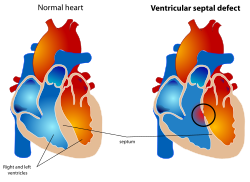
The heart relies heavily on septa to prevent the mixing of oxygenated and deoxygenated blood. The interatrial septum divides the left and right atria, while the interventricular septum separates the left and right ventricles.
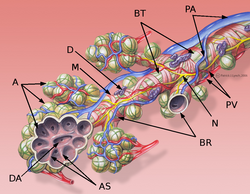
In the respiratory system, the nasal septum is the cartilage wall that separates the two nostrils. Deeper in the lungs, the alveolar septum consists of thin walls that separate individual alveoli (tiny air sacs) from one another.
Other Anatomical Examples
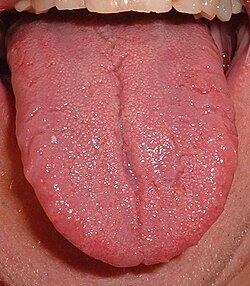
- Lingual septum: A vertical layer of fibrous tissue dividing the halves of the tongue.
- Septum pellucidum: A thin structure in the brain separating two fluid pockets.
- Orbital septum: A palpebral ligament located in the upper and lower eyelids.
- Reproductive system: Includes the uterine septum (often a malformation), vaginal septum, scrotal septum, and the penile septum (between the corpora cavernosa penis) and septum glandis.
- Musculoskeletal: Intermuscular septa separate muscles in the limbs.
At a microscopic level, histological septa are found throughout most body tissues. These dense collagen fiber walls stiffen soft cellular tissue and provide pathways for small blood vessels to enter the tissue.
Septa in Other Biological Domains
Beyond human anatomy, the concept of the septum is universal across various forms of life, from single-celled organisms to complex plants and animals.
Cell Biology and Mycology
In cell biology, a septum is the boundary that forms between two dividing cells during the process of cell division.
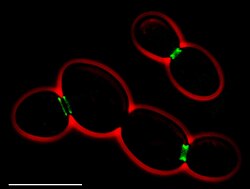
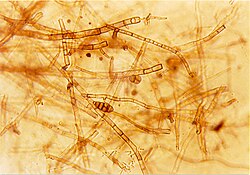
Fungi also utilize septa to divide their filamentous hyphae into discrete, individual cells.
Botany and Zoology
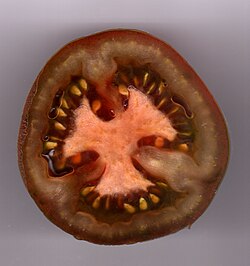
In plants, septa act as partitions that separate the locules (chambers) of a fruit, as well as partitions within anthers or sporangia.
In the animal kingdom, septa appear in diverse forms:
- Corals: Radial calcareous plates within corallites.
- Annelids: Walls that divide the coelom (body cavity) into segmented chambers.
- Shelled Organisms: Cephalopods, gastropods, and rhizopods have septa subdividing their shell chambers; in gastropods, these may serve as a defense against predators that bore into shells.
Laboratory Applications
The concept of a septum is also applied in science and medicine through the rubber septum. This is an engineered membrane designed to allow the transfer of liquids or gases using a syringe and needle without exposing the contents to the surrounding air.
Summary of Septa Across Disciplines
| Field | Example | Primary Function |
|---|---|---|
| Human Anatomy | Interventricular Septum | Separates heart ventricles |
| Cell Biology | Division Septum | Creates boundary between dividing cells |
| Mycology | Hyphal Septum | Divides hyphae into discrete cells |
| Botany | Fruit Septum | Separates locules (chambers) |
| Zoology | Shell Septum | Subdivides shell chambers/defense |
| Technology | Rubber Septum | Air-free substance transfer |
Frequently Asked Questions
What is the difference between a septum and a septate structure?
A septum is the actual wall or partition itself, whereas "septate" is the adjective used to describe a cavity or structure that has been divided by one or more septa.
Why are histological septa important in the body?
Histological septa provide necessary stiffness to soft cellular tissues and act as planes of ingress, allowing small blood vessels to penetrate and supply the tissue.
How do septa function in shelled organisms like gastropods?
In these organisms, septa subdivide the shell chamber, which is believed to serve as a protective mechanism against shell-boring predators.
What is a rubber septum used for in a lab?
A rubber septum is a specialized membrane that allows researchers to inject or withdraw substances from a container using a needle, ensuring the internal environment remains uncontaminated by outside air.