Selective Breeding: How Human Intervention Shapes Life
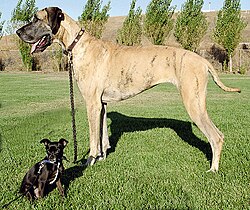
Selective breeding, also known as artificial selection, is the deliberate process of choosing specific individuals from a population to reproduce based on desired phenotypic traits—the observable characteristics of an organism. By selecting which males and females will mate, humans can influence the genetic makeup of future generations, developing specialized varieties of plants and distinct breeds of animals.
In the animal kingdom, these specialized groups are referred to as breeds, often developed by professional breeders. In the plant world, the results of this process are known as varieties, cultigens, cultivars, or breeds. When two different animal breeds mate, they produce a crossbreed, while the offspring of crossbred plants are known as hybrids.
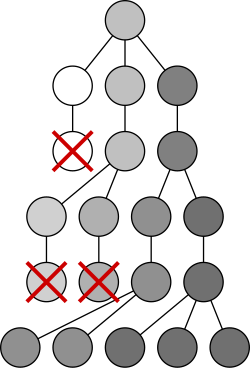
The Science and History of Selection
The concept of selection has deep roots in biological science. In his seminal 1859 work, On the Origin of Species, Charles Darwin used selective breeding as an analogy to explain his theory of natural selection. While Darwin noted that humans could direct the development of species like pigeons, cats, cattle, and dogs through artificial selection, he distinguished this from natural selection, which is a non-directed, spontaneous process occurring in the wild.
To achieve specific results, breeders employ various techniques. In animal breeding, these often include inbreeding (mating closely related individuals), linebreeding (a form of inbreeding designed to maintain a specific ancestor's traits), and outcrossing (mating unrelated individuals to introduce new genetic material).
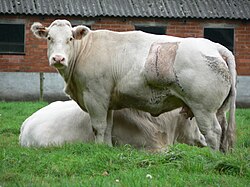
Advancements in Plant Breeding
Selective breeding has fundamentally transformed global agriculture. By focusing on specific traits, humans have turned wild plants into highly productive crops. A classic example is the transformation of teosinte, a wild grass, into the modern maize (corn) we recognize today.
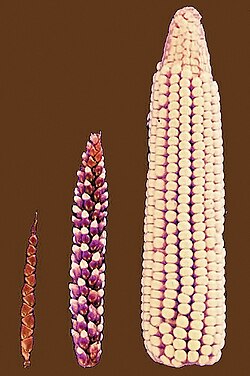
Beyond staple crops, breeders work to enhance the aesthetic and nutritional qualities of various plants. This includes developing diverse colors in vegetables like carrots to meet consumer preferences and market demands.
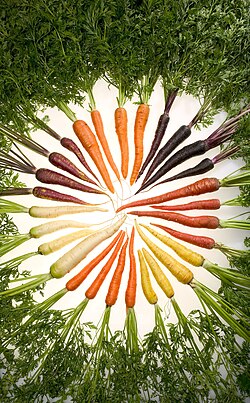
Selective Breeding in Aquaculture
The application of selective breeding in aquaculture—the farming of aquatic organisms—has yielded massive improvements in food security and efficiency. By selecting for specific biological markers, scientists have significantly enhanced the growth and health of various species.
Finfish: Salmon and Trout
Salmonids, including Atlantic salmon and rainbow trout, have seen remarkable progress through generations of selection. Research has shown that selective breeding in Atlantic salmon can lead to a 30% increase in body weight per generation. Furthermore, selection for traits like feed conversion efficiency and protein retention has resulted in fish that grow twice as fast as their wild counterparts.
Disease resistance is another critical area of focus. For instance, selecting Atlantic salmon for resistance to the Infectious Pancreatic Necrosis Virus (IPNV) has significantly lowered mortality rates compared to wild stocks. Similarly, rainbow trout have shown substantial growth gains after only a few generations of targeted breeding.
Cyprinids and Other Fish
The Common carp has been a major subject of breeding programs aimed at improving growth, body shape, and environmental adaptation. In the USSR, researchers successfully developed the Ropsha carp, which demonstrated significantly higher tolerance to cold temperatures. In other regions, selection has been used to combat diseases like dropsy, reducing mortality rates from 57% in unselected populations to just 11.5% in selected lines.
Shellfish and Shrimp
Aquatic invertebrates also respond strongly to selection. Pacific oysters and Sydney rock oysters have shown steady increases in live weight through successive generations. In the shrimp industry, selective breeding has been a lifeline against devastating diseases. For example, the development of "Super Shrimp" (a line of L. stylirostris) has created a population resistant to the Infectious hypodermal and haematopoietic necrosis virus (IHHNV), which previously caused up to 90% mortality.
Summary of Breeding Successes
| Species | Primary Trait Targeted | Observed Result |
|---|---|---|
| Atlantic Salmon | Growth Rate / Efficiency | 30% weight increase per generation; 20% better feed conversion |
| Coho Salmon | Weight / Spawning Time | 60% weight increase; 13–15 days earlier spawning |
| Common Carp | Cold Tolerance | 30.4% to 77.4% improvement in tolerance |
| Penaeid Shrimp | Growth / Disease Resistance | Up to 21% growth increase; resistance to TSV and IHHNV |
| Pacific Oysters | Live Weight | 0.4% to 25.6% improvement |
Key Facts
- Artificial Selection: The human-driven process of choosing specific parents to produce offspring with desired traits.
- Darwin's Analogy: Charles Darwin used the success of domestic breeding to help explain the mechanism of natural selection.
- Aquaculture Efficiency: Selective breeding in salmon has improved feed conversion efficiency by approximately 20% compared to wild stocks.
- Disease Mitigation: Breeding programs in shrimp and oysters have successfully increased survival rates against viruses and parasites.
- Plant Transformation: Selective breeding turned teosinte into modern maize.
Frequently Asked Questions
What is the difference between selective breeding and natural selection?
Selective breeding (artificial selection) is a directed process where humans choose which individuals reproduce to achieve specific traits. Natural selection is a non-directed process where environmental pressures determine which individuals survive and reproduce.
How does selective breeding improve aquaculture?
It improves aquaculture by increasing growth rates, enhancing feed conversion efficiency (the ability to turn food into body mass), and developing resistance to common bacterial and viral diseases.
Can selective breeding create new species?
While selective breeding creates distinct breeds in animals and varieties in plants, it is primarily used to modify existing traits within a species rather than creating entirely new biological species.
What are the risks of inbreeding in breeding programs?
While techniques like linebreeding are used to stabilize traits, excessive inbreeding can reduce genetic diversity, which is why breeders sometimes use outcrossing to maintain a healthy gene pool.
How long does it take to see results from selective breeding?
Results vary by species. Some improvements, such as growth in certain shrimp or trout, can be seen in as little as one to three generations, while other complex traits may take many more generations to stabilize.