Seals and Sigillography: The History of Authentication and Impression
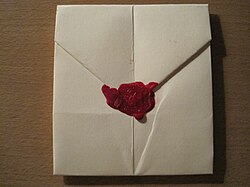
A seal is a specialized device used to create an impression in media such as wax, clay, or paper. While we often use the verb "to seal" today to describe closing a package securely, the original purpose of a seal was twofold: to authenticate a document and to prevent unauthorized interference with a container. If a seal was broken, it served as immediate evidence that the contents had been accessed.
The technical study of these devices and their impressions is known as sigillography or sphragistics. These tools have evolved from ancient clay tokens to sophisticated legal instruments and modern professional stamps.

The Mechanics of Sealing
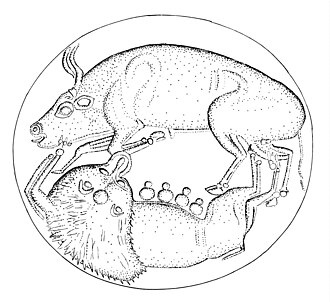
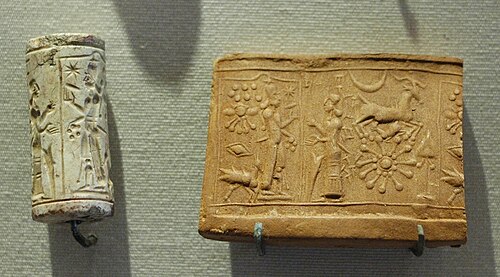
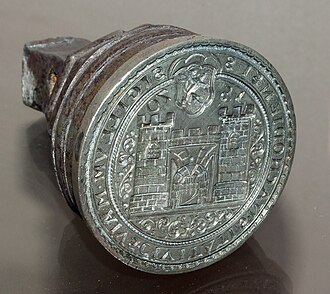
To understand how seals work, it is important to distinguish between the tool and the result. The device used to make the mark is called the seal matrix (or die), while the resulting mark is the seal impression.
Types of Impressions
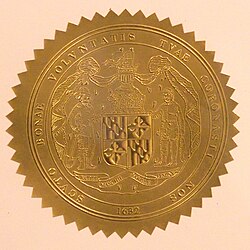
- Dry Seal: An impression created purely through pressure on paper, resulting in a relief without the use of ink.
- Wet Seal: An impression made using ink, wax, or other liquefied media to create a colored mark.
Intaglio and Relief
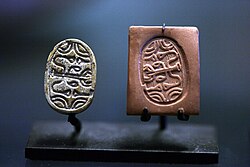
Most traditional dry seals use intaglio, where the design is carved below the flat surface of the matrix. This ensures that the resulting impression is in relief (raised). Because of this process, the impression is a mirror image of the matrix—a critical detail when the seal includes text. Conversely, some engraved gems were carved in relief (known as cameo), which produced an intaglio impression.
Regional Traditions and Evolution
Ancient Near East, Greece, and Rome
Seals have been produced in the Aegean islands and mainland Greece since the 3rd millennium BC. Early Minoan seals were crafted from ivory and soft stone, while the Middle Minoan period introduced hard stones that required rotary carving. By the Late Bronze Age, lens-shaped seals and seal rings became prominent.
These engraved gems became luxury art pieces. According to Pliny the Elder, King Mithridates VI of Pontus was a major collector of these items before his collection was taken by Pompey the Great and deposited in Rome. Pliny also noted the tradition of wearing the signet ring on the little finger.
East Asian Traditions
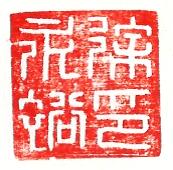
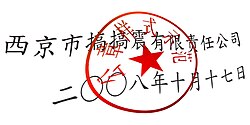
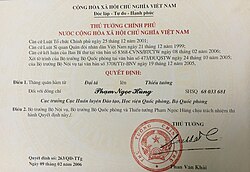
In East Asia, seals—known as yinzhang in China, injang in Korea, inshō in Japan, and ấn triện in Vietnam—have served as written identification since the Qin dynasty (221 BC). While Han dynasty seals used soft clay, the Tang dynasty transitioned to a red ink made from cinnabar.
In many East Asian cultures, these "chops" are still used today instead of handwritten signatures for official and financial transactions. They may feature names, poems, or personal mottoes and served as the technological predecessors to block printing.
The Western Tradition
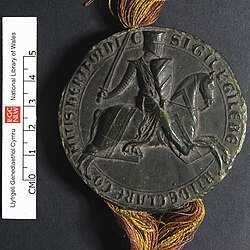
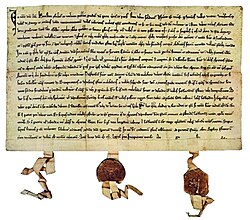
By the end of the 10th century, wax seals were standard in Western royal chanceries. In England, the practice trickled down the social hierarchy: starting with monarchs and bishops, moving to knights by the 12th century, and reaching ordinary freemen by the mid-13th century. Corporate bodies, such as monasteries and municipalities, also adopted seals to validate official acts.
Specialized Uses and Rituals
![During the early Byzantine period these rings were used for sealing personal documents and validating wills and testaments. 6th century, silver.[8] The Walters Art Museum.](/images/90/1f/901f0d5d3181bcf875e6929ef00d8879bcc87d8e6278414bcf988593673b5229.jpg)
Ecclesiastical and Professional Seals
The Church adopted sealing practices early on. By the 9th century, it was customary for bishops to use seals for official correspondence. In modern times, the tradition continues in professional fields; for example, professional engineers in regions like Saskatchewan, Canada, use seals (often rubber stamps) to certify documents.

The Ritual of Destruction
Because a seal represented authority, it had to be destroyed when that authority passed to a successor. A prominent example is the Ring of the Fisherman, the papal signet, which the Cardinal Camerlengo must break upon the death of a Pope. Similar public ceremonies occurred in the Middle Ages for bishops and abbots to prevent the fraudulent use of the old seal.
Signet Rings
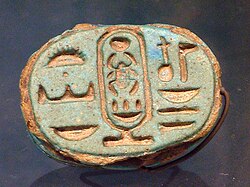
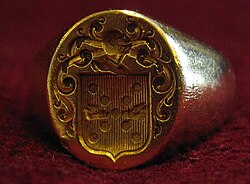
Signet rings date back to ancient Egypt, as referenced in the Book of Genesis regarding the Pharaoh. While they were once reserved for the nobility, they became accessible to lower classes by the 13th century and saw a resurgence in popularity among men of all classes during the 19th century.
Summary of Seal Characteristics
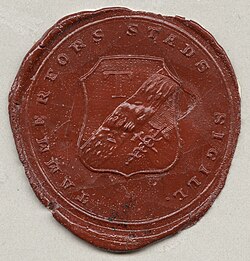
| Tradition/Type | Common Medium | Primary Purpose | Key Feature |
|---|---|---|---|
| Ancient Aegean | Soft stone, Ivory | Identification/Luxury | Lens-shaped and seal rings |
| East Asian | Cinnabar ink (Red) | Legal Authentication | Used instead of signatures |
| Western Medieval | Wax | Document Validation | Hierarchical social usage |
| Modern Professional | Ink/Embossment | Certification | Rubber stamps/Dry seals |
Key Facts
![Two-sided pendent seals from Inchaffray Abbey in Scotland, late 13th century, now in the British Museum.[18]](/images/df/1a/df1a6dde027c43e8163ac3df807f5fb5bfe43a81a256de36fb6cf26ea201c183.jpg)
- Sigillography is the formal study of seals.
- Intaglio carving creates a raised (relief) impression.
- East Asian seals were the precursors to block printing.
- The Ring of the Fisherman is destroyed upon the death of a Pope to prevent misuse.
- In England and Wales, the legal requirement for a seal to execute a deed was abolished by the Law of Property (Miscellaneous Provisions) Act 1989.
Frequently Asked Questions

What is the difference between a seal matrix and a seal impression?
The seal matrix is the physical tool (the die) used to create the mark, while the seal impression is the actual mark left behind in the wax, clay, or paper.
Why are East Asian seals often red?
Since the Tang dynasty, East Asian seals have traditionally used a red ink made from cinnabar for their impressions.
What is a dry seal?
A dry seal is an impression made without ink or wax, created by applying high pressure to paper to leave a raised relief design.
Why were seals historically destroyed after the owner died?
Seals represented legal authority. Destroying the matrix ensured that no one could forge documents or exercise authority in the name of the deceased.
Are seals still used for legal purposes today?
Yes, though their use varies. In East Asia, they are frequently used instead of signatures. In the West, they are more common as professional certifications (like engineer seals) or ceremonial marks rather than strict legal requirements for individuals.