Scavengers: Nature's Essential Cleanup Crew
In every corner of the globe, from the deepest oceans to the busiest urban centers, a specialized group of animals works tirelessly to maintain the health of the environment. Scavengers are organisms that feed on dead and decaying organic matter. While often associated with the consumption of carrion—the bodies of animals that died from causes other than predation or were left behind by other predators—scavenging extends far beyond animal remains. These animals also process rotting plant matter and human-generated refuse.
By breaking down complex organic materials, scavengers prevent the accumulation of waste and ensure that vital nutrients are returned to the soil and water, supporting new life in a continuous biological cycle.
Key Facts
- Diverse Diets: Scavengers feed on carrion, decaying plants, or discarded human waste.
- Necrophages: This specific term refers to scavengers that specialize in eating carrion.
- Ecological Role: They prevent waste buildup and facilitate nutrient recycling.
- Environmental Influence: Scavenging rates are affected by temperature, moisture, habitat, and carcass size.
- Disease Vectors: Some scavengers, particularly certain bird species, can spread pathogens like avian influenza.
Types of Scavengers
Scavengers are categorized based on the primary source of their organic matter. This dietary specialization allows different species to coexist within the same ecosystem without competing for the same resources.
Carrion Feeders (Necrophages)
Necrophages specialize in the consumption of dead animal flesh. This group includes iconic species such as vultures and burying beetles. These animals are often equipped with specialized biological adaptations to handle the bacteria found in decaying meat.
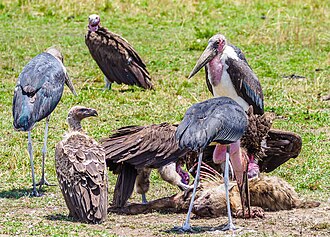
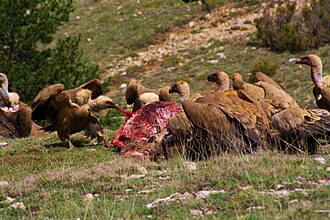
Other examples include Griffon vultures in Spain feeding on red deer, or polar bears scavenging narwhal carcasses in the Arctic.
Plant Matter Scavengers
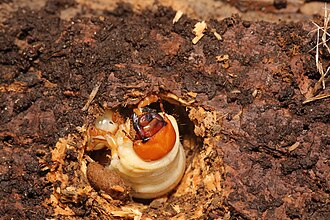
Not all scavengers seek meat. Some focus on rotting vegetation and dead wood. For instance, the larvae of the stag beetle (Lucanus cervus) feed on dead wood during their early life cycle, while the pink bud moth also targets decaying plant material.
Refuse and Waste Scavengers
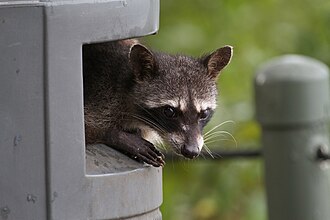
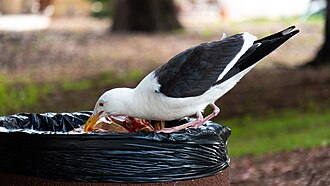
In human-dominated landscapes, many animals have adapted to scavenge for discarded food. Raccoons, squirrels, and urban gulls are common examples of species that forage through trash bins and municipal dumps for sustenance.
Ecological Function and Process
Scavengers serve as the first line of defense in the decomposition process. They break down large carcasses or plant piles into smaller fragments, which then allows detritivores (organisms that feed on dead organic material) and decomposers (such as fungi and bacteria) to complete the recycling process.
The efficiency of this process is not constant; it is modulated by several biotic and abiotic factors:
- Abiotic Factors: Temperature, moisture levels, and seasonal changes.
- Biotic Factors: The species of plants present, the size of the carcass, and the specific habitat.
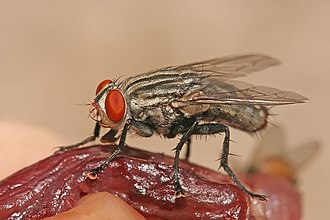
Even small insects play a massive role; for example, the flesh fly (Sarcophaga nodosa) is a key scavenger of decaying meat.
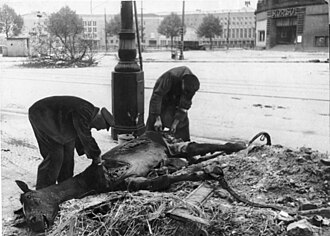
Historically, this behavior has been observed across species and eras, including prehistoric theropod dinosaurs and even humans in extreme circumstances, such as during the Battle of Berlin in 1945.
| Scavenger Category | Primary Food Source | Example Species |
|---|---|---|
| Necrophages | Animal Carrion | Vultures, Burying Beetles, Flesh Flies |
| Plant Scavengers | Rotting Vegetation/Wood | Stag Beetle Larvae, Pink Bud Moth |
| Refuse Scavengers | Human Waste/Trash | Raccoons, Urban Gulls, Squirrels |
Disease Transmission
While scavengers provide essential services, they can also act as vectors for disease. Bird species are particularly significant in this regard, as their movement and feeding habits can spread outbreaks across wide areas.
Two notable examples include:
- Avian Cholera: Between 2006 and 2007, an outbreak off the coast of Newfoundland, Canada, was primarily spread by gull species scavenging in the region.
- Avian Influenza: In 2007, domestic ducks in Indonesia contributed to the spread of the virus to chickens. This occurred because the ducks scavenged in rice paddy fields, increasing contact with other bird species feeding on leftover rice. Interestingly, these ducks often excreted high concentrations of the virus without showing symptoms themselves.
Frequently Asked Questions
What is the difference between a scavenger and a predator?
A predator kills its prey for food, whereas a scavenger feeds on animals that have already died from other causes or the remains left over by a predator.
What are necrophages?
Necrophages are a specific type of scavenger that feeds exclusively or primarily on carrion (dead animal flesh).
How do scavengers help the environment?
They prevent the accumulation of decaying organic matter and help recycle essential nutrients back into the ecosystem, which supports new plant and animal growth.
Can scavengers spread diseases?
Yes. Because they feed on decaying matter and often move between different locations, some scavengers (especially birds) can transmit pathogens like avian cholera or avian influenza.
Do insects act as scavengers?
Yes, many insects are scavengers. Examples include the flesh fly, which feeds on decaying meat, and stag beetle larvae, which feed on dead wood.