Scapa Flow: The Historic Naval Stronghold of Orkney
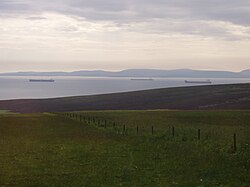
Located in the Orkney Islands of Scotland, Scapa Flow (derived from the Old Norse Skalpaflói, meaning "bay of the long isthmus") is one of the world's most significant natural harbours. Sheltered by the islands of Mainland, Hoy, Burray, South Ronaldsay, and Graemsay, its calm waters have served as a strategic hub for travel, trade, and military conflict for over a millennium.
From the longships of Viking raiders to the massive dreadnoughts of the World Wars, Scapa Flow has evolved from a secluded anchorage into a site of global historical importance and a premier destination for marine exploration.
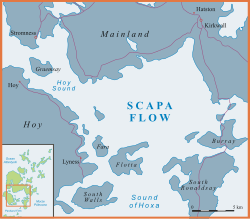
Key Facts
- Location: Orkney, Scotland (58°54′N 3°03′W).
- Area: 324.5 square kilometres (125.3 sq mi).
- Depth: Generally around 30 metres (100 ft), with a maximum depth of 60 metres (200 ft).
- Military Role: Chief naval base for the UK during WWI and WWII.
- Modern Use: Home to the Flotta oil terminal and an internationally acclaimed scuba diving site.
Early History and the Viking Era
The strategic value of Scapa Flow was recognized early by Norse explorers. The 11th-century Orkneyinga sagas and the Hákonar saga Hákonarsonar detail the Viking presence in the region. In August 1263, King Haakon IV of Norway anchored his fleet, including the 300-man flagship Kroussden, at St Margaret's Hope before sailing to the Battle of Largs.
By the 15th century, Norse rule was managed by jarls who operated large manor farms on islands such as Hoy and Burray to guard the entrances to the Flow. Later, during the Wars of the Three Kingdoms in 1650, the Royalist general James Graham, 1st Marquess of Montrose, used the waters to moor his ship, Herderinnan, in a failed attempt to spark a rebellion in Scotland.
The First World War and the Grand Fleet
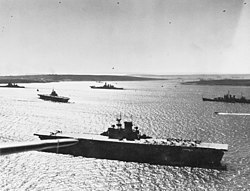
In 1904, the United Kingdom shifted its naval strategy to a "distant blockade" to counter the Imperial German Navy's High Seas Fleet. Scapa Flow was selected as the main base for the British Grand Fleet due to its ability to control the entrances to the North Sea.
Despite its size, the base faced threats from German U-boats. In November 1914, U-18 was forced to flee after being rammed by a trawler. Later, in October 1918, UB-116 was detected by hydrophones and destroyed by shore-triggered mines, resulting in the loss of all 36 crew members.
The Scuttling of the German Fleet
Following Germany's defeat in WWI, 74 ships of the High Seas Fleet were interned in Gutter Sound. On June 21, 1919, Rear Admiral Ludwig von Reuter, believing treaty negotiations had lapsed, ordered the fleet to be scuttled (intentionally sunk). While the Royal Navy managed to beach 21 vessels, 53 ships sank, marking one of the most dramatic naval events in history.
The Great Salvage Operation
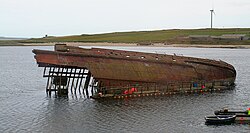
The sunken hulks posed a navigation hazard, leading the Admiralty to invite tenders for salvage in 1922. Engineer Ernest Cox undertook what is considered the greatest maritime salvage operation of all time. Despite fierce storms and a coal shortage during the 1926 General Strike—which forced Cox to extract fuel from the sunken Seydlitz—his team raised 45 of the 52 scuttled ships by 1939.
The Second World War
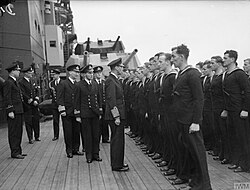
Scapa Flow returned as the primary British naval base in WWII, chosen for its distance from German airfields. However, it was not impenetrable. On October 14, 1939, U-47, commanded by Günther Prien, penetrated the Flow and sank the battleship HMS Royal Oak, killing 833 men.
Shortly after, on October 17, 1939, Luftwaffe Junkers Ju 88 bombers raided the base, damaging the HMS Iron Duke. In response, Winston Churchill ordered the construction of the Churchill Barriers—causeways built by Italian prisoners of war to block eastern maritime access. These barriers now provide road links between the Mainland, Burray, and South Ronaldsay.
Modern Industry and Tourism
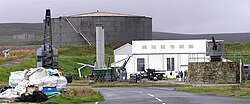
Today, Scapa Flow is a vital hub for the petroleum industry. The Flotta oil terminal receives crude oil via a 128-mile underwater pipeline from the Piper oilfield. The area also made history in 2007 when the first ship-to-ship transfer of liquefied natural gas (LNG) took place between the vessels Excalibur and Excelsior.
A World-Class Diving Destination
The remaining seven German warships and various blockships have turned Scapa Flow into a global destination for scuba divers. The wrecks, located at depths of 35 to 50 metres, offer a unique look at naval architecture. Divers must obtain permits from the Island Harbour Authorities and are prohibited from removing artefacts.
- König Class Battleships: SMS König, Kronprinz, and Markgraf lie at roughly 25m depth. Their steel is highly valued because it predates atmospheric nuclear radiation.
- Light Cruisers: SMS Dresden, Karlsruhe, Brummer, and Cöln are more accessible to divers.
- War Graves: The wrecks of HMS Royal Oak and Vanguard are protected under the Protection of Military Remains Act 1986.
Visitors can learn more at the Scapa Flow Visitor Centre on the island of Hoy, which is accessible via ferry from the Mainland.
| Era/Sector | Key Event or Feature | Significance |
|---|---|---|
| Viking Era | King Haakon IV's Fleet | Early strategic use of the natural harbour. |
| World War I | Grand Fleet Base & Scuttling | Chief UK naval base; loss of 53 German ships. |
| Interwar | Ernest Cox Salvage | Massive recovery of 45 scuttled warships. |
| World War II | U-47 Attack & Churchill Barriers | Sinking of HMS Royal Oak; creation of road causeways. |
| Modern Era | Flotta Terminal & Diving | North Sea oil processing and international tourism. |
Frequently Asked Questions
Why was the German fleet scuttled in Scapa Flow?
Rear Admiral Ludwig von Reuter ordered the scuttling on June 21, 1919, because he believed the negotiation period for the Treaty of Versailles had expired without a settlement, and he wished to prevent the ships from falling into British hands.
What are the Churchill Barriers?
The Churchill Barriers are a series of causeways built during World War II to block the eastern entrances to Scapa Flow. They were constructed by Italian prisoners of war and now serve as roads connecting the islands of Mainland, Burray, and South Ronaldsay.
Can anyone dive the wrecks at Scapa Flow?
Recreational divers can visit many of the German wrecks with a permit from the Island Harbour Authorities. However, certain sites, such as the HMS Royal Oak, are designated war graves and are restricted to British armed forces divers.
What is the significance of the Flotta oil terminal?
The Flotta terminal is a key processing and transfer point for North Sea oil, utilizing a 128-mile pipeline from the Piper oilfield. It also hosted the world's first ship-to-ship transfer of liquefied natural gas (LNG) in 2007.
Why is the steel from the German battleships considered special?
Because the ships were sunk before 1945, the steel was not exposed to the atmospheric radiation caused by open-air nuclear weapons testing between 1945 and 1963, making it "low-background steel."