Orkney Islands: A Journey Through History, Nature, and Innovation
Situated in the Northern Isles of Scotland, the Orkney Islands are a breathtaking archipelago where ancient history meets cutting-edge sustainability. Known for their dramatic coastlines, Neolithic monuments, and a unique blend of Scottish and Norse heritage, these islands offer a glimpse into the evolution of human civilization in the North Atlantic.
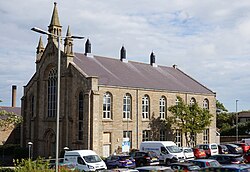
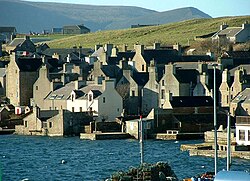
From the bustling hub of Kirkwall to the remote shores of North Ronaldsay, Orkney is defined by its relationship with the sea and its ability to adapt across millennia.
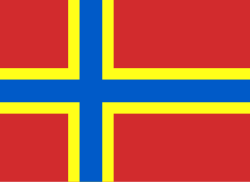
Key Facts
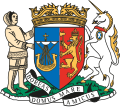
- Total Area: 990 km² (380 sq mi).
- Population: 22,020 as of 2024.
- Highest Point: Ward Hill, reaching 481 meters (1,578 ft).
- Largest Settlement: Kirkwall.
- Administrative Status: Council area of Scotland, United Kingdom.
- Unique Wildlife: Home to the seaweed-eating North Ronaldsay sheep.
A Tapestry of History
Prehistory and the Iron Age
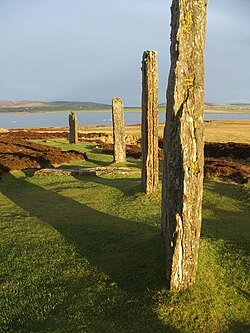
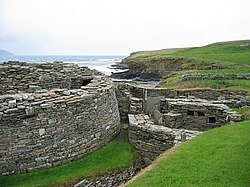
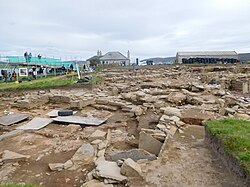
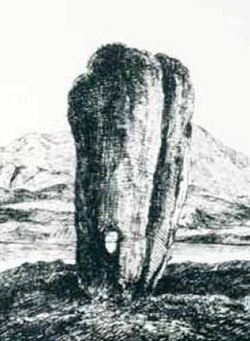
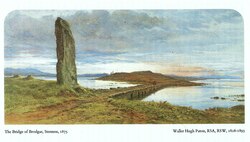
Orkney is world-renowned for its prehistoric sites. The islands served as a center for early human settlement, featuring complex structures from the Neolithic and Iron Age. Notable sites include the Ring of Brodgar and various brochs—thick-walled stone towers characteristic of Iron Age Scotland.
The Norse Era and Scottish Integration
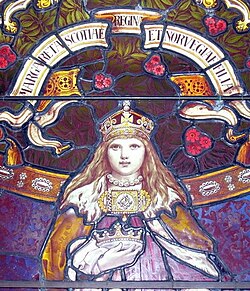
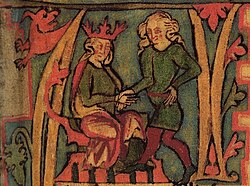
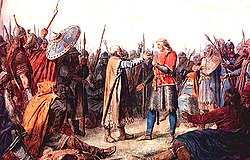
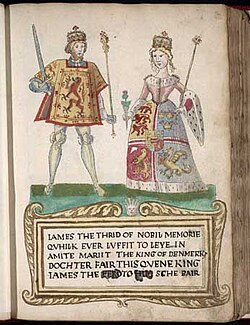
The islands were heavily influenced by Norwegian rule, beginning with figures like Harald Fairhair, who took control in 875. This Norse period left a lasting mark on the local dialect, place names, and architecture. The transition to Scottish rule was gradual, eventually solidified through political betrothals, such as that of James III and Margaret of Norway.
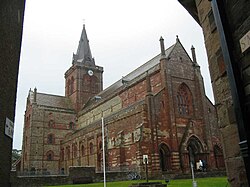
The spiritual heart of this era remains the St Magnus Cathedral in Kirkwall, a testament to the islands' medieval significance.
The 20th Century and Military Significance
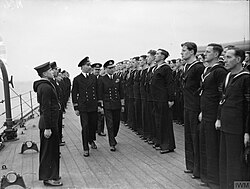
In the modern era, Orkney played a critical strategic role during the World Wars, particularly through Scapa Flow, a natural harbor used by the British Home Fleet. The legacy of this period is still visible today in the Italian Chapel, built by prisoners of war.
![The Italian Chapel on Lamb Holm was built and decorated by Italian prisoners of war working on the Churchill Barriers.[105]](/images/0f/19/0f19fa50af2dc1c91ce54ff041936f78d8236c2f8dda6c246d8fde6c8eedd58d.jpg)
Geography and Natural World
Island Layout and Geology
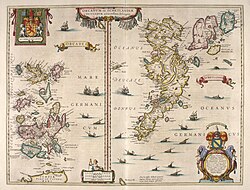
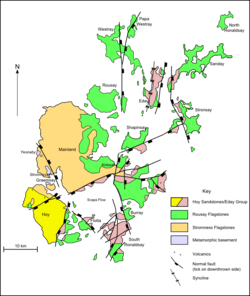
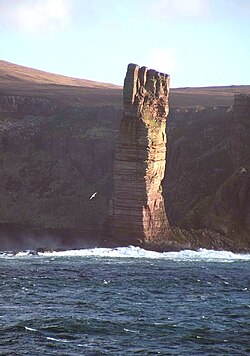
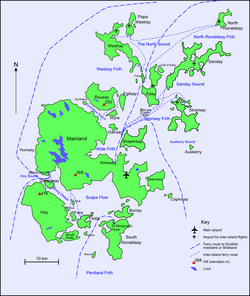
The archipelago is divided into the Mainland and various smaller islands. The geology is diverse, featuring dramatic cliffs and sea stacks, most notably the Old Man of Hoy.
Climate and Environment
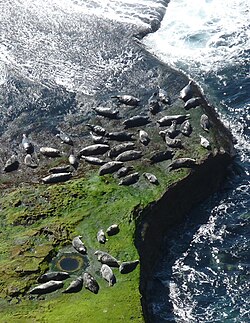
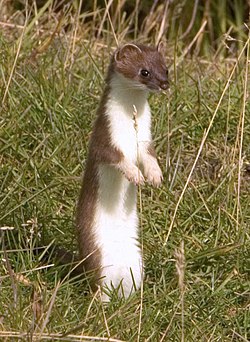
Orkney experiences a maritime climate with cool summers and mild winters. Precipitation is distributed throughout the year, with the highest rainfall typically occurring in November and December. The environment supports unique species, including the semi-feral North Ronaldsay sheep, which have evolved a specialized diet of seaweed.
![North Ronaldsay sheep are a semi-feral breed that has evolved to eat seaweed.[170] Their unique genetic inheritance makes them of interest to conservationists.[171]](/images/eb/de/ebdea84943ace1f4225605f9c36f713600b6ad75917435ab0aaf70807fc63176.jpg)
Modern Economy and Innovation
Sustainable Energy Leadership
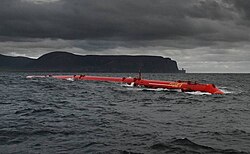
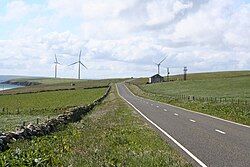
Today, Orkney is a global leader in renewable energy. The islands are pioneering projects in wind, wave, and hydrogen manufacturing. The European Marine Energy Centre (EMEC) serves as a primary site for testing wave and tidal energy technologies.
Tourism and Transport
Tourism is a vital economic driver, fueled by the islands' heritage sites and natural beauty. Transport between the islands is maintained by a fleet of ferries, while connections to the mainland are provided by air and sea routes from Aberdeen, Lerwick, and Gills Bay.
![MV Earl Thorfinn arrives at Westray. Orkney Ferries operate a fleet of inter-island ferries.[231]](/images/37/71/3771f7f089852fd72ceffec4d1117c8791870cea7def3e438701236eaff487f3.jpg)
Demographics and Administration
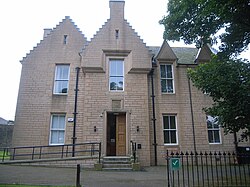
The population is concentrated primarily on the Mainland, with Kirkwall serving as the administrative and commercial center. The islands are governed by the Orkney Islands Council.
| Island | Population |
|---|---|
| Orkney Mainland | 17,162 |
| South Ronaldsay | 909 |
| Westray | 588 |
| Sanday | 494 |
| Hoy | 419 |
| Burray | 409 |
| Stronsay | 349 |
| Shapinsay | 307 |
| Rousay | 216 |
| Eday | 160 |
Frequently Asked Questions
What is the largest town in Orkney?
Kirkwall is the largest settlement in Orkney, serving as the main administrative and commercial hub.
How did Orkney become part of Scotland?
Orkney was originally under Norwegian rule. It passed to Scotland following a betrothal between James III of Scotland and Margaret of Norway.
What makes the North Ronaldsay sheep unique?
These sheep are a semi-feral breed that has evolved to survive primarily on a diet of seaweed, making them a point of interest for conservationists.
What is Scapa Flow?
Scapa Flow is a large natural harbor in Orkney that was of immense strategic importance to the British Home Fleet during the 20th century, particularly during the World Wars.
Is Orkney involved in renewable energy?
Yes, Orkney is a pioneer in sustainable energy, focusing on wind and wave power, and is actively developing hydrogen manufacturing capabilities.