Sápara People: Guardians of the Amazon Rainforest
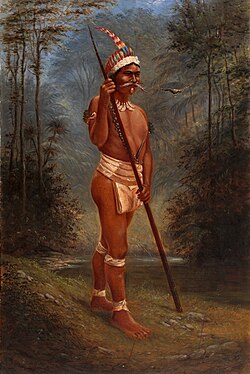
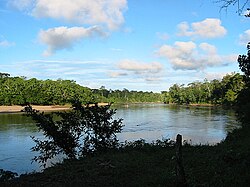
The Sápara (also known as Zápara or Záparo) are an indigenous people native to the dense Amazon rainforest along the border of Ecuador and Peru. Once a thriving population of approximately 200,000 in the early 20th century, they historically occupied a vast territory of 12,000 square miles between the Napo and Pastaza rivers. Today, they stand as a resilient but small community fighting to preserve their ancestral lands and a critically endangered language.
In 2009, the Ecuadorian Zápara officially adopted the name Nación Sápara del Ecuador (NASE), meaning the Sápara Nation of Ecuador. This name change followed a unification process between upriver and downriver communities, resolving long-standing conflicts regarding ethnic identity. The NASE was officially registered on September 16, 2009, by CONDENPE (the Council of Development of the nationalities and peoples of Ecuador), which also confirmed their legal autonomy and self-government.
Key Facts
- Total Population: Approximately 350 people (250 in Ecuador, 100 in Peru).
- Official Status: Recognized as the Nación Sápara del Ecuador (NASE) with headquarters in Shell, Pastaza.
- Language Status: The Záparo language is recognized by UNESCO as an "Oral and Intangible Heritage of Humanity."
- Territory: Located between the Pindoyacu, Conambo, and Alto Corrientes rivers in the Pastaza province.
- Primary Threats: Oil exploration and extractive industries in blocks 79 and 83.
Culture and Traditional Way of Life
The Sápara have a deep spiritual and physical connection to the jungle. Their traditional diet relied heavily on fishing and the consumption of palm hearts as a primary vegetable. For protein, they hunted animals such as tapirs, peccaries, wood-quail, and curassows using bamboo darts and blowguns.
Their culture is guided by spiritual beliefs; for instance, the Sápara refrain from hunting spider monkeys, as they believe these animals are their ancestors.
The Impact of the Rubber Boom
The 20th century brought devastating changes to the Sápara way of life. The global demand for rubber led to widespread destruction of the rainforest and the enslavement of the indigenous population. Men were forced into slave labor to cultivate rubber, while women and girls suffered systemic rape and sexual slavery.
The Struggle for Linguistic Survival
The population collapse and historical trauma have left the Záparo language on the brink of extinction. Currently, only four fluent speakers remain, all of whom are over the age of 70. One of the oldest surviving speakers is Pedro Ernesto Santi, who lives in a small hamlet of about forty people.
Interestingly, the shift in spelling from "Zápara" to "Sápara" is rooted in linguistics. Research by the Sápara Board of Education Bilingual (DIENASE) revealed that the character "Z" does not exist in the Sápara alphabet, which ends with the character "W".
Threats to Territory and Existence
The Sápara territory is currently under severe threat from the extractive industry. Due to financial arrangements between China and Ecuador, there has been a push to expand the oil frontier into the central-south Amazon, specifically within Yasuní National Park. The Sápara lands fall entirely within oil blocks 79 and 83, which are also shared with the Kichwa and Shiwiar peoples.
Indigenous leaders, including Gloria Ushigua, president of the Sápara Women’s association (Ashinwaka), have led the resistance against these incursions. They argue that oil development would lead to cultural genocide. Despite their efforts, leaders have faced harassment, threats, and legal pressure from the government.
Indigenous Justice and Governance
To protect their rights, the Sápara Nation organized a congress in the Community of Torimbo to nominate native leaders. This process was ratified through the Indigenous Sentence in the Community of the Jandiayacu, involving elders as judges. While recognized by CONAIE, CONFENIAE, and CODENPE, the Ecuadorian government has pressured authorities not to recognize this indigenous justice system, which critics view as a move to facilitate oil exploitation.
Sápara Population and Geography Summary
| Region | Approximate Population | Key Geographic Markers |
|---|---|---|
| Ecuador | 250 | Pindoyacu, Conambo, and Alto Corrientes rivers |
| Peru | 100 | Amazon border region |
| Total | 350 | Pastaza Province (Headquarters: Shell) |
Frequently Asked Questions
Why did the name change from Zápara to Sápara?
The change occurred because the character "Z" does not exist in the Sápara alphabet. Research by the Sápara Board of Education Bilingual (DIENASE) confirmed that their alphabet ends with the letter "W".
What is the current status of the Záparo language?
The language is critically endangered, with only four fluent speakers remaining, all over the age of 70. Because of its cultural importance, UNESCO declared it an "Oral and Intangible Heritage of Humanity" in 2001.
What are the primary threats to the Sápara territory?
The primary threats are oil exploration and extractive industries, specifically within oil blocks 79 and 83 in the Ecuadorian Amazon, which are targeted for expansion by Chinese-backed companies.
Who is the Nación Sápara del Ecuador (NASE)?
NASE is the official organization representing the Sápara people in Ecuador. It was registered in 2009 by CONDENPE and represents a unification of upriver and downriver communities to establish a collective ethnic identity and self-government.
Why do the Sápara avoid hunting spider monkeys?
The Sápara do not hunt spider monkeys because of a traditional belief that these animals are their ancestors.