São Paulo: The Economic and Cultural Powerhouse of Brazil
Located in the Southeast region of Brazil, São Paulo is far more than just a state; it is the primary engine of the Brazilian economy and a global hub of finance, science, and culture. Known as the "Bandeirante State," it blends a rich colonial history with a hyper-modern urban landscape, housing the largest population in the country and the most significant financial center in the Southern Hemisphere.
From the sprawling metropolis of its capital to the fertile orange groves of the interior, São Paulo represents a diverse intersection of geography and human ambition. Its motto, Pro Brasilia Fiant Eximia ("Let great things be done for Brazil"), reflects the state's historical and contemporary role in shaping the nation's destiny.
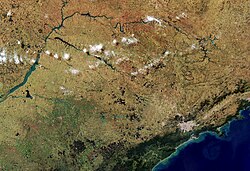
Key Facts
- Population: 46,081,801 (Ranked 1st in Brazil).
- Economy: Nominal GDP of R$ 3,444.814 trillion (US$ 689.7 billion).
- Human Development: M-HDI of 0.838, categorized as very high.
- Global Status: São Paulo city is an alpha global city and the largest financial center in Latin America.
- Agriculture: The world's largest producer of oranges.
Historical Evolution
Early Period and Expansion
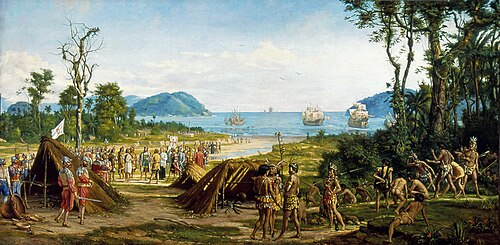
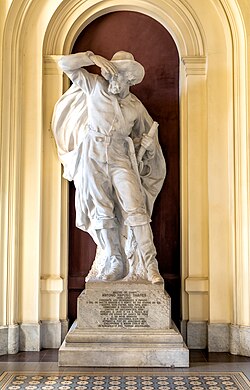
The state's identity is deeply tied to the Bandeirantes—colonial explorers and frontiersmen who ventured into the interior of Brazil to search for precious metals and capture indigenous people. This era of expansion defined the territorial boundaries of the state and the spirit of exploration associated with the region.
Empire and Republic
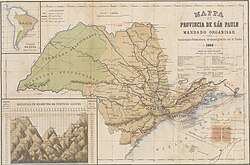
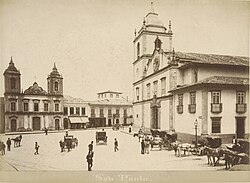
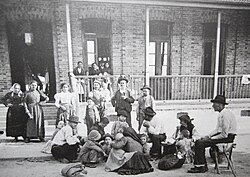
During the Empire of Brazil, São Paulo transitioned from a frontier outpost to a center of wealth. The late 19th century saw a massive economic shift driven by coffee production, which fueled urban growth and attracted millions of immigrants, particularly from Italy and Japan.
The Constitutionalist Revolution
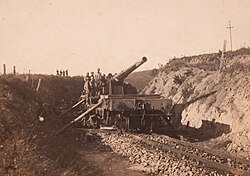
A pivotal moment in the state's political history was the Constitutionalist Revolution of 1932. This conflict saw Paulistas rise against the federal government in a demand for a new constitution, leaving a lasting legacy of regional pride and civic duty.

Geography and Environment
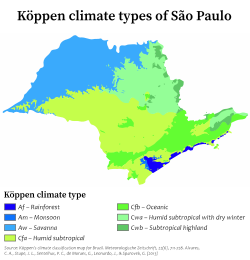
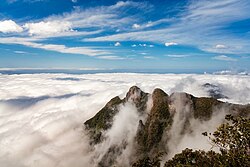
São Paulo covers a total area of 248,219.5 km². Its landscape varies from the coastal plains of the Serra do Mar to the high plateaus of the interior. The state's climate is diverse, though generally temperate; remarkably, snow has been recorded in cities like Apiaí.

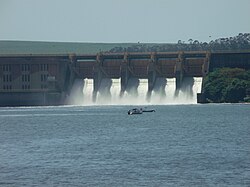
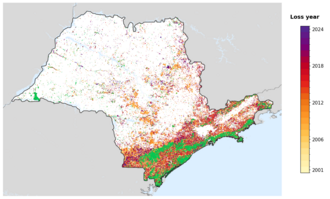
The environment faces significant challenges, with documented tree-cover loss between 2001 and 2024. However, the state maintains vital water resources, including the Tiete River, which is essential for regional irrigation and urban use.
Demographics and Urbanization
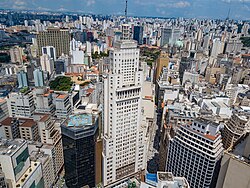
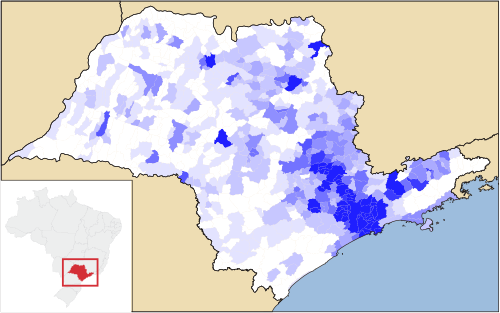
São Paulo is the most populous state in Brazil. The population has grown exponentially from roughly 837,000 in 1872 to over 46 million by 2025. This growth is concentrated in several massive urban agglomerations.
| Rank | City/Region | Population |
|---|---|---|
| 1 | São Paulo | 20,673,280 |
| 2 | Campinas | 2,093,118 |
| 3 | Baixada Santista | 1,672,991 |
| 4 | São José dos Campos | 1,589,875 |
| 5 | Sorocaba | 945,097 |
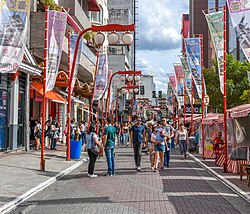
The state is a melting pot of cultures, evidenced by the Liberdade district, known as a "Little Tokyo," reflecting the strong Japanese influence in the region.
Science, Education, and Health
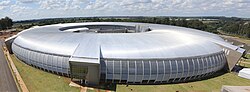
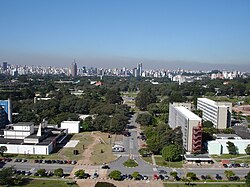
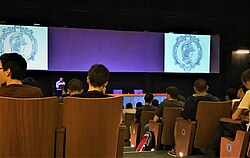
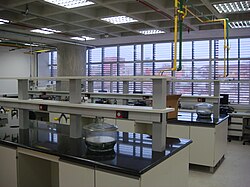
São Paulo is the intellectual heart of Latin America. It hosts world-renowned institutions such as the University of São Paulo (USP) and the University of Campinas (Unicamp). In the realm of high science, the state is home to the Sirius particle accelerator, the only facility of its size in Latin America.
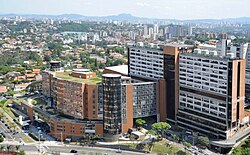
The healthcare sector is equally advanced, featuring the Hospital Albert Einstein, which is recognized as one of the top hospitals globally and the best in Latin America.
Economy and Infrastructure
Primary and Secondary Sectors
While known for industry, São Paulo is an agricultural titan. It is the world's largest producer of oranges and a major producer of corn, sugarcane, and bananas. Its industrial sector is equally robust, leading in automotive manufacturing, chemicals, and food production.
Tertiary Sector and Finance
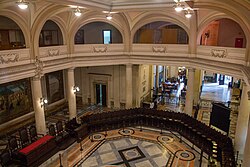
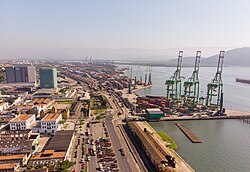
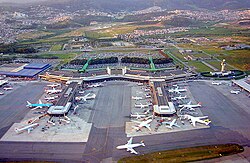
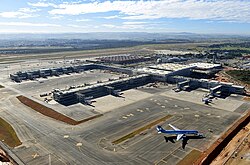
The city of São Paulo serves as the financial capital of the Southern Hemisphere, anchored by the Bovespa (São Paulo Stock Exchange). This economic activity is supported by world-class infrastructure, including the Port of Santos—the busiest port in Brazil—and the Guarulhos International Airport.

Transport and Logistics
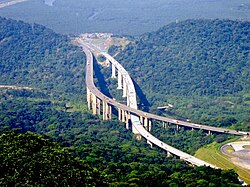
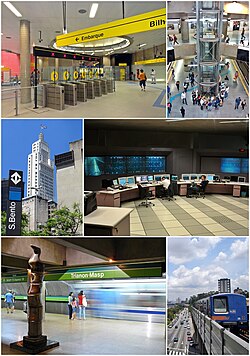
The state boasts one of the best highway networks in Brazil, exemplified by the Rodovia dos Imigrantes. Within the capital, the São Paulo Metro is regarded as one of the cleanest and most efficient urban transit systems globally.
Culture, Tourism, and Sports
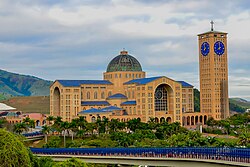
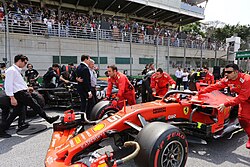
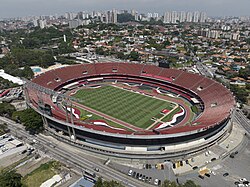
Tourism in São Paulo ranges from religious pilgrimage at the Basilica of Our Lady of Aparecida—the second largest Catholic church in the world—to ecotourism in the Serra do Mar. The state is also a global sports destination, hosting the Brazilian Grand Prix at Interlagos and featuring iconic venues like the Morumbi Stadium.
Frequently Asked Questions
![São Paulo City, an alpha global city, is the largest financial center in Latin America and the Southern Hemisphere, and one of the largest in the world[68][69]](/images/82/8f/828fc4c872b6e094068ef60038d9d34c4edf9b114284b29b35183b7c00dabcc7.jpg)
What is the economic significance of São Paulo?
São Paulo is the largest economy in Brazil and a major global financial hub. It hosts the Bovespa stock exchange and is the primary center for finance, industry, and services in Latin America.
Who were the Bandeirantes?
The Bandeirantes were colonial explorers and frontiersmen who expanded Brazil's borders far beyond the original Tordesillas line, searching for gold and capturing indigenous people.
Which educational institutions are most prominent in the state?
The University of São Paulo (USP) and the University of Campinas (Unicamp) are among the most renowned university centers in the world.
What is the state's role in global agriculture?
São Paulo is the world's largest producer of oranges and a leading producer of sugarcane and corn.
What is the significance of the Constitutionalist Revolution of 1932?
It was an armed uprising by the state of São Paulo against the federal government, driven by a demand for a democratic constitution and a return to the rule of law.