Mercosur: The Powerhouse Trade Bloc of South America
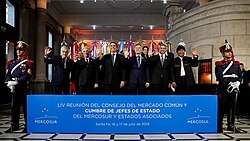
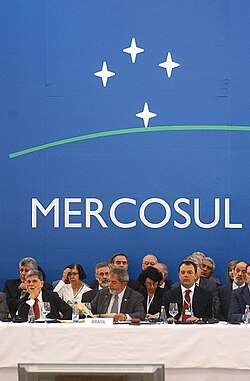
The Southern Common Market, widely known as Mercosur (in Spanish) or Mercosul (in Portuguese), is a formidable intergovernmental organization and customs union that serves as a cornerstone of South American economic and political integration. Guided by the motto "Our north is the South," the bloc aims to foster cooperation and economic growth among its member nations through the reduction of tariffs and the coordination of macroeconomic policies.
Established through a series of foundational agreements, Mercosur has evolved from a regional trade pact into a complex organization with its own legislative and judicial bodies, influencing global trade dynamics and regional stability.
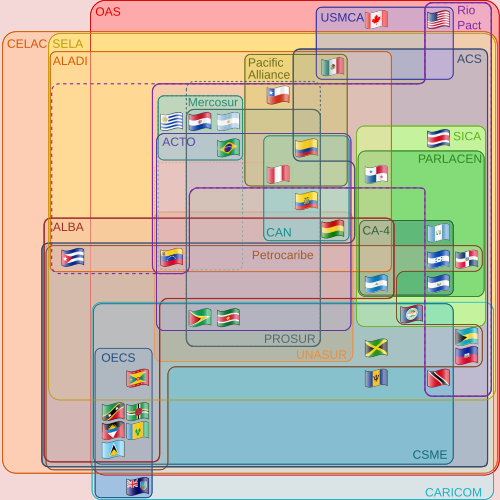
Key Facts
![Representatives of Argentina, Brazil and Chile at the Niagara Falls Peace Conference, where they mediated the Mexican revolutionary affair at the request of the United States, advocating the rise of the ABC countries, a political and economic pact among these three nations in 1915[7]](/images/1a/8c/1a8cf4eec68bf80d003bc7195385bbd2e3de0546a714a3cb5dd580a3b3c3e0fe.jpg)
- Full Members: Argentina, Bolivia, Brazil, Paraguay, and Uruguay.
- Suspended Member: Venezuela (suspended since December 1, 2016).
- Associate States: Chile, Colombia, Ecuador, Guyana, Panama, Peru, and Suriname.
- Headquarters: Montevideo, Uruguay.
- Economic Scale: A 2024 estimate places the total GDP (PPP) at US$6.681 trillion.
- Demographics: An estimated population of 295,007,000 as of 2024.
- Official Languages: Portuguese, Spanish, Guarani, Aymara, and Quechua.
The Evolution of Mercosur
Founding and Legal Framework
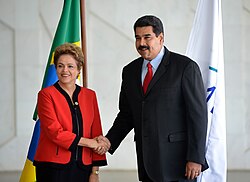
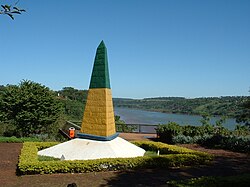
The journey toward regional integration began with the Iguaçu Declaration on November 30, 1985, followed by the Buenos Aires Act in 1990. However, the formal birth of the bloc occurred with the Treaty of Asunción on March 26, 1991, which established the framework for a common market. This was further solidified by the Protocol of Ouro Preto in 1994, which gave the organization its current institutional structure.
Expansion and Membership Dynamics
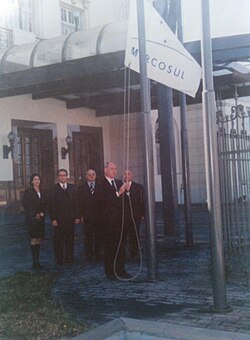
Membership in Mercosur requires approval by legislative decree in all signatory countries. While the founding members have remained central, the bloc has seen shifts in membership. Venezuela joined in 2012 but was suspended in 2016 due to a rupture of the democratic order. More recently, Bolivia officially joined as a full member on July 8, 2024.
Institutional Structure and Governance
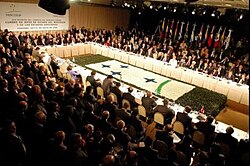
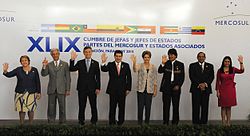
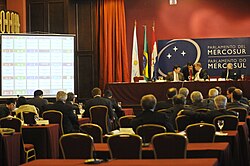
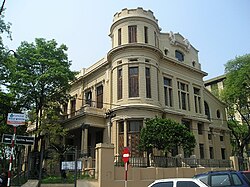
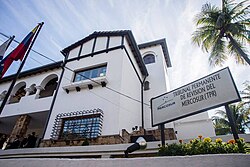
Mercosur operates through a sophisticated system of governance to manage trade, customs, and social policies. The Parlasur (Mercosur Parliament) serves as the legislative body, while the Court of Mercosur in Asunción, Paraguay, and the Permanent Tribunal of Revision handle legal disputes and contractual matters.
Economic Integration and Trade
As a customs union—a trade bloc where members eliminate internal tariffs and adopt a common external tariff for non-members—Mercosur has significantly boosted internal trade. Trade within the bloc grew from $4 billion in 1990 to $41 billion by 2022.
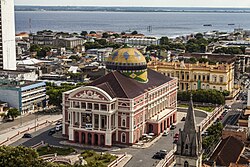
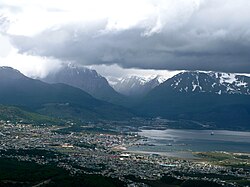
The bloc also manages specific free-trade zones (FTZs) to stimulate investment, most notably in Manaus, Brazil, and the Province of Tierra del Fuego, Argentina.
Global Reach and External Relations
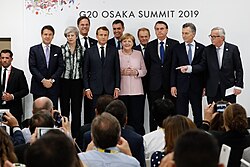
Mercosur actively seeks free trade agreements (FTAs) with third parties. One of the most significant endeavors is the European Union–Mercosur Free Trade Agreement, which, if fully implemented, would create one of the largest free trade areas in the world.
Regional Demographics and Economy
The bloc covers a vast area of approximately 14.87 million square kilometers. Brazil is the largest member by both population and economy, with São Paulo standing as the largest city in the region and home to Latin America's largest stock exchange.
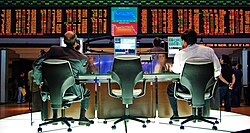
Integration extends beyond trade into science and education. The University of São Paulo is recognized as one of the most esteemed institutions in the region, and joint ventures like the SABIA-Mar Earth observation satellite demonstrate technical cooperation between Brazil and Argentina.
![The University of São Paulo, in São Paulo, Brazil, is one of the most highly esteemed university institutions in the region of Mercosur.[66][67]](/images/de/68/de6822ef3108106390b8dae1a60f5dad86e85178bb6803414e685c3f1a044f9e.jpg)
![The SABIA-Mar, scheduled to launch in 2023, is a Brazilian/Argentine Earth observation satellite.[65]](/images/04/8f/048f4ef9af5e6fc5bc88016dc8a6a4835a5c0f61fcd6b6c5391e8729352500f9.jpg)
| Country | Capital | Area (km²) | Population (2021) | HDI (2023) | Accession Date |
|---|---|---|---|---|---|
| Argentina | Buenos Aires | 2,766,890 | 45,276,780 | 0.865 | March 26, 1991 |
| Bolivia | La Paz / Sucre | 1,098,580 | 12,079,472 | 0.733 | July 8, 2024 |
| Brazil | Brasília | 8,514,877 | 214,326,223 | 0.786 | March 26, 1991 |
| Paraguay | Asunción | 406,750 | 6,703,799 | 0.756 | March 26, 1991 |
| Uruguay | Montevideo | 176,220 | 3,426,260 | 0.862 | March 26, 1991 |
| Venezuela | Caracas | 916,445 | 28,199,867 | 0.709 | July 31, 2012 (Suspended) |
Frequently Asked Questions
What is the difference between a full member and an associate state in Mercosur?
Full members participate in the customs union, meaning they adhere to a common external tariff and have voting rights in the bloc's governance. Associate states, such as Chile and Colombia, enjoy preferential trade agreements but do not adopt the common external tariff.
Why was Venezuela suspended from the bloc?
Venezuela was suspended on December 1, 2016, due to a failure to follow the bloc's rules and a perceived rupture of the democratic order within the country.
What is the role of Parlasur?
Parlasur is the Mercosur Parliament, the legislative body of the organization designed to represent the citizens of the member states and provide a forum for political deliberation.
Which cities are the most influential in the Mercosur region?
São Paulo is the largest city and a primary economic hub, followed by Buenos Aires and Rio de Janeiro, which serve as major population and financial centers.
What are the primary goals of the EU-Mercosur agreement?
The agreement aims to create one of the world's largest free trade areas by reducing tariffs and barriers to trade between the European Union and the Mercosur member states.