San Lorenzo: A Hub of History and Industry in Santa Fe
Located on the western shore of the Paraná River, San Lorenzo is a vital city in the south of the Santa Fe Province, Argentina. Situated just 23 km north of Rosario, it serves as a key anchor of the Greater Rosario metropolitan area and acts as the head town of the San Lorenzo Department. With a population of approximately 46,239 residents as of the 2010 census, the city blends a rich revolutionary past with a powerhouse industrial present.
Key Facts
- Location: Santa Fe Province, Argentina, 23 km north of Rosario.
- Population: 46,239 (2010 Census).
- Historical Significance: Site of the Battle of San Lorenzo (1813).
- Economic Driver: Major port complex for grain and vegetable oil exports.
- Geography: Situated at an elevation of 40 meters on the Paraná River.
Historical Legacy and the Battle of San Lorenzo
The foundation of San Lorenzo is a subject of historical debate, with various texts suggesting different dates. However, the Municipal Council officially established May 6, 1796, as the foundation date, marking the arrival of Franciscan friars who began the evangelization of the region.
The city is most renowned for the Battle of San Lorenzo, which took place on February 3, 1813. In this pivotal encounter, local revolutionaries led by General José de San Martín defeated troops loyal to the Spanish Crown. This event stands as the first battle of the Argentine War of Independence.
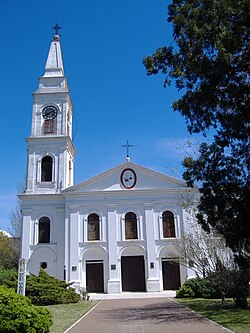
Today, the 18th-century San Carlos Monastery serves as a museum dedicated to this historic battle. Interestingly, the city is also the birthplace of the professional Argentine footballer Javier Mascherano.
Geography and Industrial Powerhouse
San Lorenzo is strategically positioned at the terminus of the "Industrial corridor" of the Argentine littoral. This location has fostered a diverse industrial base, including petrochemical plants, ceramics factories, and processing industries focused on flour and edible oils.
The city's economy is inextricably linked to its geography. Its position on the Paraná River allows it to function as a primary gateway for Argentina's agricultural wealth, specifically the export of maize, wheat, and soybeans.
The Port of San Lorenzo
The Port of San Lorenzo is one of the most prominent maritime hubs in Argentina. It is part of a larger port complex that includes the neighboring cities of Puerto General San Martín and Timbúes. Together, these ports handle massive volumes of cargo, including refined products, crude oil, vegetable oil, and grain.
The San Lorenzo-Puerto General San Martín Port Complex consists of numerous berths, many of which are privately owned, ensuring the efficient movement of primary products from the Argentine interior to global markets.
| Category | Details |
|---|---|
| Province | Santa Fe |
| Coordinates | 32°45′S 60°44′W |
| Total Area | 39 km² (15 sq mi) |
| Elevation | 40 m (130 ft) |
| Time Zone | UTC−3 (ART) |
| Dialing Code | +54 3476 |
Frequently Asked Questions
When was San Lorenzo founded?
While historical texts vary, the Municipal Council officially designated May 6, 1796, as the foundation date, coinciding with the arrival of Franciscan friars.
What is the significance of the Battle of San Lorenzo?
Fought on February 3, 1813, it was the first battle of the Argentine War of Independence, where General José de San Martín led revolutionaries to victory over Spanish Crown troops.
What are the primary exports handled by the port?
The port complex primarily handles the export of primary agricultural products, specifically soybean, wheat, and maize, as well as vegetable oils and refined products.
Which famous athlete was born in San Lorenzo?
Argentine footballer Javier Mascherano was born in San Lorenzo.
What industries are located in the San Lorenzo area?
The city hosts petrochemical plants, ceramics factories, and processing industries for edible oil and flour.