San Francisco Sound: The Psychedelic Heart of the 1960s Counterculture
Emerging in the mid-1960s, the San Francisco sound was more than just a musical genre; it was the sonic manifestation of a cultural revolution. Centered in the Haight-Ashbury district of San Francisco, California, this style of rock music blended diverse influences to create a sound that mirrored the era's psychedelic exploration and communal spirit. Unlike the frantic energy of New York City or the sprawl of Los Angeles, San Francisco provided a unique environment where a tight-knit scene of bands could play for and with one another.
Journalist Ralph J. Gleason, a pivotal figure who later co-founded Rolling Stone magazine, famously described the city as the "Liverpool of the United States," signaling that the music emerging from the Bay Area was making a serious contribution to global musical history.
Key Facts
- Origin: Mid-1960s to early 1970s in San Francisco, California.
- Cultural Hub: Deeply tied to the Haight-Ashbury counterculture and hippie movement.
- Musical Style: Characterized by adventurous improvisation, melodic "roving" bass lines, and psychedelic exploration.
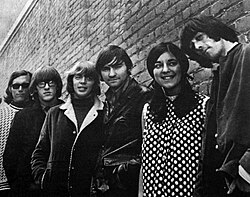
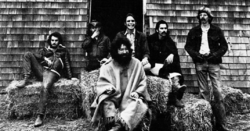
- Key Figures: Jefferson Airplane, Grateful Dead, Janis Joplin, and Sly & the Family Stone.
- Media Influence: The rise of FM "album oriented radio" (AOR) allowed for longer, non-commercial track lengths.
From Beatniks to Hippies: The Cultural Shift
The San Francisco sound did not emerge in a vacuum. It was preceded by the Beat Generation, a bohemian subculture that frequented coffee houses and bars, valuing jazz, folk, and literature. However, while the Beatniks were often characterized as cynical, discreet, and "cool," the emerging hippie culture was defined by a projection of joy and a desire for openness.
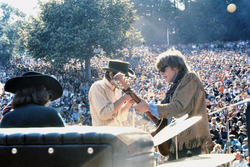
This shift in tone translated directly into the music. The new sound was loud, community-focused, and often performed at free concerts in Golden Gate Park or "happenings" at psychedelic ballrooms. This transition from the reserved Beat style to the exuberant hippie era signaled a broader societal shift toward public expression and communal living.
Musical Characteristics and Innovations
While every band had its own identity, several common traits defined the regional sound. One of the most prominent was improvisation. Bands like the Grateful Dead and Moby Grape pushed the boundaries of live performance through adventurous "cross-talk" guitar work and extended jams.
Another defining feature was the role of the electric bass. Moving away from the conventional "stay-at-home" rhythm, bassists like Jack Casady (Jefferson Airplane/Hot Tuna) and Phil Lesh (Grateful Dead) adopted a "roving" style. This melodic approach, influenced by jazz and classical music, gave the music a plush, pervasive tone.
The instrumentation generally avoided the brass and reeds common in East Coast R&B, with the notable exception of Sly & the Family Stone, a racially integrated group that blended soul and hippie influences.
Influences and Evolution
The point of departure for the scene was rock and roll, but it quickly evolved into "rock" as a distinct entity. The British Invasion played a massive role, particularly The Beatles. Their 1965 album Rubber Soul, which incorporated folk rock, became a soundtrack for the Haight-Ashbury circuit. Other influences included the Chicago electric blues scene, Detroit and Memphis soul, and the avant-garde jazz of John Coltrane.
The Role of Women in the Scene
The San Francisco scene was also a catalyst for gender shifts in rock. Women like Grace Slick of Jefferson Airplane and Janis Joplin (initially with Big Brother & the Holding Company) achieved equal status as stars, paving the way for future female artists in the U.S. music industry.
Venues and the Rise of FM Radio
The music evolved alongside the spaces where it was played. Early acts started in small clubs like The Matrix before moving to larger dance venues such as the Fillmore Auditorium, the Avalon Ballroom, Winterland, and the Carousel Ballroom (later Fillmore West). The 1967 Monterey Pop Festival served as a global coming-out party for the Bay Area sound, placing local groups on the same stage as international icons.
The distribution of this music was revolutionized by FM radio. While AM radio demanded three-minute pop singles, Tom Donahue revived KMPX in 1967 as the first FM rock station in San Francisco. This introduced "album oriented radio" (AOR), allowing DJs to play lengthy tracks or entire album sequences, which perfectly suited the improvisational nature of the San Francisco bands.
Summary of the San Francisco Sound
| Feature | Description |
|---|---|
| Primary Genre | Psychedelic Rock / Acid Rock |
| Key Bass Style | "Roving" melodic bass (e.g., Jack Casady, Phil Lesh) |
| Core Influence | The Beatles (Rubber Soul), Jazz, Folk, and Electric Blues |
| Key Venues | Fillmore Auditorium, Avalon Ballroom, Winterland |
| Radio Format | FM Album Oriented Radio (AOR) |
Frequently Asked Questions
What exactly was the "San Francisco sound"?
It was a style of rock music performed by San Francisco-based groups from the mid-1960s to early 1970s, characterized by psychedelic influences, extended live improvisation, and a melodic approach to the electric bass.
How did the San Francisco sound differ from AM pop music?
While AM pop relied on short, three-minute singles, the San Francisco sound embraced longer compositions. In live settings, songs could stretch from five minutes to half an hour, a style supported by the rise of FM album-oriented radio.
Who were the most influential bands of this movement?
Key groups included Jefferson Airplane, the Grateful Dead, Moby Grape, Big Brother and the Holding Company, and Sly & the Family Stone.
What was the relationship between the Beatniks and the Hippies?
The Beat Generation provided the bohemian foundation in San Francisco through coffee houses and jazz. However, the hippie culture that followed was more numerous and replaced the "cool," cynical tone of the Beats with a projection of joy and openness.
Which international artists influenced the scene?
The Beatles were a primary influence, particularly their folk-rock experimentation on Rubber Soul. The scene also drew from the British Invasion and various American blues and soul traditions.