Acid Rock: The Raw Power and Evolution of Psychedelic Sound
Emerging from the cultural upheaval of the mid-1960s in the United States, acid rock represents the most intense and electrified edge of the psychedelic movement. While often used interchangeably with psychedelic rock, acid rock is distinguished by its pounding rhythms, heavy distortion, and a raw energy that sought to mirror the sensory intensity of the LSD experience.
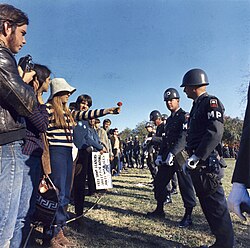
More than just a musical style, acid rock was the soundtrack to a youth movement centered on peace and love, positioning itself as a revolutionary alternative to a workaholic, capitalist society. It served as a vanguard for cultural change, offering a regenerative art form that promised a new vision for the future.
Key Facts
- Origins: Developed in the mid-1960s, primarily within the California music scene.
- Core Sound: Characterized by loud, improvised guitar-centered music, heavy distortion (fuzz), and long solos.
- Cultural Link: Closely tied to the psychedelic subculture and the use of LSD.
- Legacy: Acted as a primary precursor to hard rock, heavy metal, and progressive rock.
- Key Innovators: Early influence from the Beatles, the Beach Boys, and the San Francisco Sound.
The Birth of the Sound
The genesis of acid rock is often linked to the San Francisco Sound. Some historians credit the Grateful Dead with "inventing" the genre on December 4, 1965, during the second "Acid Test" hosted by author Ken Kesey in San Jose, California. These performances utilized strobe lights to replicate the surreal, fragmenting visual effects of LSD, effectively launching the psychedelic subculture.
While the local scene flourished, global icons provided the necessary blueprints. The Beatles' 1966 album Revolver, specifically the track "Tomorrow Never Knows," is recognized for opening the doors to an LSD-inspired worldview. Similarly, the Beach Boys' "Good Vibrations" and its use of the electro theremin inspired many musicians to experiment with studio-crafted psychedelic sounds.
Pioneers of the Bay Area
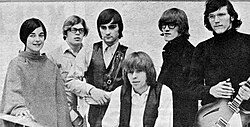
In California, The Charlatans were among the first to embrace the style, but Jefferson Airplane became the first Bay Area acid rock band to achieve mainstream success via a major label. By 1967, Time magazine identified Jefferson Airplane, the Doors, and Moby Grape as the pulse of the "turned-on" acid-rock sound, with the Doors later being dubbed the "kings of acid rock" by Life magazine in 1968.
Musical Characteristics and Development
Acid rock is defined by its intensity. Unlike the more melodic or whimsical side of psychedelia, acid rock captured the full spectrum of reality—including the "bad trips" and the pain alongside the pleasure. This was achieved through several technical and stylistic hallmarks:
- Fuzz and Distortion: The heavy use of fuzztone and feedback to create a thick, saturated guitar sound.
- Extended Improvisation: Long, winding guitar solos and jams that moved away from traditional song structures.
- Instrumentation: Frequent use of electronic organs and the electric 12-string guitar.
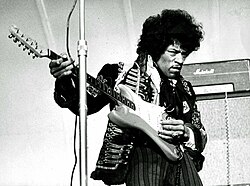
- Lyrical Themes: Cryptic references to drug use, as seen in "White Rabbit" by Jefferson Airplane and "Purple Haze" by the Jimi Hendrix Experience.
The Garage-Psych Connection
The genre also grew out of the garage rock (or garage punk) movement. Bands like the 13th Floor Elevators and Count Five blended raw, amateur energy with psychedelic experimentation. In the UK, a similar trend known as freakbeat emerged, featuring distorted mod music. These "protopunk" bands utilized new technology to approximate the sounds of the "mystic East" by playing scales up and down their fretboards, creating instant ragas.
The Transition to Heavy Metal
As the 1960s closed, the music scene split. While some artists returned to softer, roots-oriented sounds, others pushed the distortion and volume even further. This evolution paved the way for heavy metal.
Iron Butterfly's "In-A-Gadda-Da-Vida" is often cited as the turning point where acid rock mutated into heavy metal. Other influential albums, such as Blue Cheer's Vincebus Eruptum, reinforced this transition. Groups like Steppenwolf, Cream, and Led Zeppelin further refined this electrified, bluesy sound.
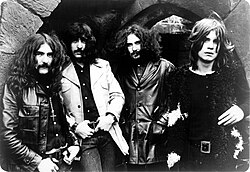
The introduction of occult themes also played a role. The band Coven is recognized for pioneering occult rock and introducing the "sign of the horns" gesture to pop culture via their 1969 album Witchcraft Destroys Minds & Reaps Souls. By the early 1970s, Black Sabbath and Deep Purple combined the raw distortion of acid rock with dark lyrics to solidify the heavy metal genre.
Modern Legacy: Stoner Metal
The influence of acid rock persisted into the 1990s with the rise of stoner metal. This genre combined the heavy riffs and long jams of acid rock with elements of grunge and doom metal, updating the sounds of pioneers like Black Sabbath and Hawkwind for a new generation.

| Era | Primary Genre/Movement | Key Characteristics | Notable Artists |
|---|---|---|---|
| Mid-1960s | Garage-Psych / Acid Rock | Fuzz, feedback, LSD-inspired, light shows | Jefferson Airplane, The Doors, 13th Floor Elevators |
| Late 1960s | Proto-Metal | Heavier riffs, extended solos, blues influence | Jimi Hendrix, Cream, Iron Butterfly |
| Early 1970s | Heavy Metal | Occult lyrics, high volume, raw distortion | Black Sabbath, Led Zeppelin, Deep Purple |
| 1990s | Stoner Metal | Combination of acid rock, grunge, and doom | Influenced by Blue Cheer, Hawkwind |
Frequently Asked Questions
What is the difference between psychedelic rock and acid rock?
Acid rock is essentially a heavier, more extreme variant of psychedelic rock. While psychedelic rock can be soft or whimsical, acid rock is characterized by louder volumes, more distortion (fuzz), and a raw, improvised sound centered on the electric guitar.
Who are the most influential acid rock bands?
Key pioneers include Jefferson Airplane, the Doors, and the Grateful Dead. Other foundational influences include the 13th Floor Elevators, the Paul Butterfield Blues Band, and the Jimi Hendrix Experience.
How did acid rock lead to the creation of heavy metal?
Acid rock's emphasis on loud, distorted guitar riffs and extended solos provided the sonic foundation for heavy metal. As bands like Black Sabbath and Led Zeppelin added darker themes and increased the weight of the riffs, the genre transitioned from psychedelic experimentation to heavy metal.
What was the "San Francisco Sound"?
The San Francisco Sound refers to the local music scene in the Bay Area during the 1960s, where bands like Jefferson Airplane and the Grateful Dead blended rock, folk, and psychedelic influences, often performing at events like Ken Kesey's Acid Tests.
What is stoner metal?
Stoner metal is a 1990s fusion genre that combines the heavy riffs and long, psychedelic jams of acid rock with the slower tempos of doom metal and the grit of grunge.