Jam Bands: The Evolution of Improvisational Rock and Live Culture
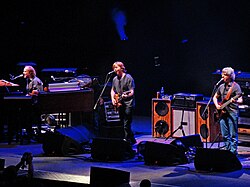
The jam band is more than just a musical ensemble; it is a cultural phenomenon centered on group improvisation and extended musical grooves. Emerging from the psychedelic rock movement of the 1960s, these bands prioritize the live experience over studio perfection, often transforming short songs into sprawling, spontaneous compositions that can last for dozens of minutes.
From the early days of the San Francisco Bay Area scene to the modern era of electronic fusion, jam bands have cultivated a uniquely loyal community of fans who follow them from city to city, treating every concert as a one-of-a-kind event.
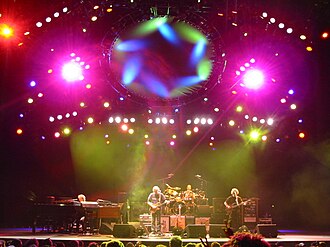
Key Facts
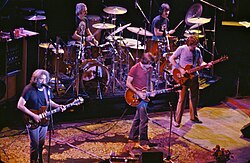
- Origins: Rooted in 1960s California, blending jazz, folk, country, and psychedelic rock.
- Core Philosophy: Emphasis on live improvisation and "super-extended grooves" rather than rigid song structures.
- Pioneers: The Grateful Dead and The Allman Brothers Band laid the foundation for the genre.
- Cultural Impact: Spurred the rise of massive music festivals like Bonnaroo and a dedicated fan culture of "taping" and trading live recordings.
- Modern Evolution: The genre has expanded into "livetronica," blending live improvisation with electronic and techno elements.
The Stylistic and Cultural Roots
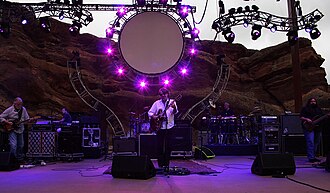
Jam band music is a hybrid, drawing from a wide array of influences including jazz fusion, blues rock, southern rock, and funk. The movement began in the 1960s in the United States, specifically California, where bands like the Grateful Dead, Jefferson Airplane, and the Jimi Hendrix Experience pushed the boundaries of rock music through experimentation.
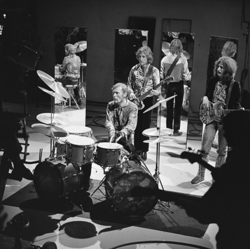
Other early pioneers included Cream, Pink Floyd, the Mothers of Invention, and the Paul Butterfield Blues Band. These acts moved away from the three-minute pop single, opting instead for collective improvisation that mirrored the freedom of jazz.
The Rise of the Modern Jam Scene
While the roots were planted in the 60s, the specific term "jam band" gained popularity in the 1980s and 90s. Dean Budnick is often credited with popularizing the term through his 1998 book Jam Bands and the founding of Jambands.com.
The Second Wave and Mainstream Exposure
In the late 1980s and early 1990s, a new wave of bands emerged, including Phish, Blues Traveler, Widespread Panic, and the Dave Matthews Band. Phish, formed in 1983 at the University of Vermont, became a central figure in the movement, attracting a new generation of fans who mirrored the loyalty of the Grateful Dead's "Deadheads."
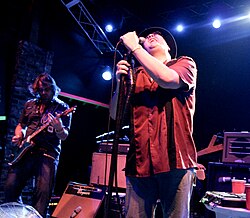
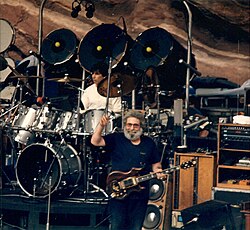
The movement reached a peak of mainstream visibility in the early 1990s. This era saw the rise of major touring acts and the eventual dissolution of the Grateful Dead following the death of Jerry Garcia in 1995.
The Festival Era and Commercial Success
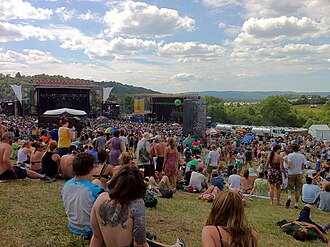
By the late 1990s, jam bands were filling arenas and amphitheaters. Phish celebrated the millennium with the massive "Big Cypress" festival in Florida, which featured an eight-hour closing set. This trend paved the way for other festivals, such as the Disco Biscuits' Camp Bisco and the 2002 founding of the Bonnaroo Music Festival, which initially focused on jam bands before expanding to multiple genres.
Defining the Genre: Debate and Ambiguity
The definition of a jam band is often a point of contention. Some artists, such as The Derek Trucks Band, have resisted the label. Dave Schools of Widespread Panic has expressed a preference for the term "retro," arguing that pigeonholing a band limits its ability to grow.
Similarly, The Allman Brothers Band—known for turning 5-minute studio tracks like "Whipping Post" into 20-minute live jams—have been described by member Butch Trucks as "a band that jams" rather than a "jam band." This distinction highlights the difference between a musical style (jamming) and a specific cultural identity (the jam band scene).
Evolution into Livetronica and Beyond
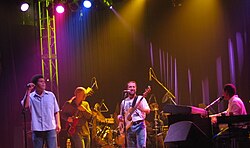
As the scene evolved, a third and fourth generation of bands appeared. Groups like Soulive and Gov't Mule continued the tradition, while others began integrating electronic elements. This led to the birth of livetronica (or jamtronica), a portmanteau of "live music" and "electronica."
Bands such as The Disco Biscuits and Sound Tribe Sector 9 (STS9) blend live improvisation with techno and electronic sounds. This evolution has even influenced modern indie bands like Vampire Weekend and King Gizzard and the Lizard Wizard in their approach to touring and performance.
The Community: Taping and Archiving
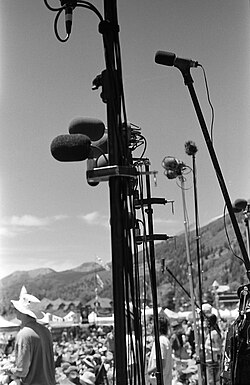
A defining characteristic of the jam scene is the relationship between the musicians and their fans. For decades, fans recorded live shows on cassettes—a practice known as taping. In the digital age, this has transitioned to MP3 downloads. Websites like etree and the Live Music Archive (part of the Internet Archive) serve as massive repositories for these recordings, allowing fans to share and preserve every unique performance.
Summary of Jam Band Eras
| Era | Key Characteristics | Notable Artists |
|---|---|---|
| 1960s–1970s | Psychedelic rock, early improvisation, Bay Area scene | Grateful Dead, Allman Brothers Band, Cream |
| 1980s–1990s | Mainstream touring, rise of "Deadhead" culture, arena shows | Phish, Dave Matthews Band, Widespread Panic |
| 2000s–Present | Livetronica, large-scale festivals, electronic fusion | STS9, Disco Biscuits, Goose, Umphrey's McGee |
Frequently Asked Questions
What exactly is a jam band?
A jam band is a musical ensemble that emphasizes live, collective improvisation and extended musical sections, often blending genres like rock, jazz, and funk to create long, spontaneous grooves during performances.
Who are the most influential jam bands?
The Grateful Dead are widely considered the pioneers of the movement. In later years, Phish and the Dave Matthews Band became the most influential acts in terms of touring scale and cultural impact.
What is "livetronica"?
Livetronica, or jamtronica, is a subgenre that blends the improvisational nature of jam bands with electronic dance music (EDM), techno, and synthesizers.
Why do jam band fans record shows?
Because jam bands improvise, no two shows are ever the same. Taping and downloading live recordings allow fans to document and share the unique versions of songs played at specific concerts.
Is there a difference between a "jam band" and a "band that jams"?
Yes, according to some musicians. A "band that jams" may use improvisation as a tool within their music, whereas a "jam band" refers to a specific cultural identity and scene associated with the legacy of the Grateful Dead and Phish.