Phish: The Evolution of an American Jam Band Icon
Few groups in the history of modern music have cultivated a following as dedicated or a sound as eclectic as Phish. Emerging from the collegiate scene in the early 1980s, Phish has evolved from a quirky experimental act into a cornerstone of the jam band scene—a genre characterized by long, improvised musical explorations and a heavy emphasis on live performance.
Blending elements of psychedelic rock, jazz fusion, funk, and progressive rock, the band is renowned for its technical proficiency and its ability to pivot seamlessly between tightly composed songs and open-ended improvisation.
Key Facts
- Core Members: Trey Anastasio, Jon Fishman, Mike Gordon, and Page McConnell.
- Active Periods: 1983–2000, 2002–2004, and 2008–present.
- Musical Style: A diverse blend of rock, jazz fusion, funk, and experimental music.
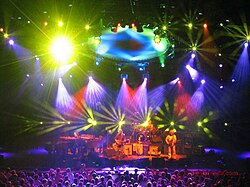
- Live Legacy: Famous for unique concert antics, high-end lighting design by Chris Kuroda, and massive festivals.
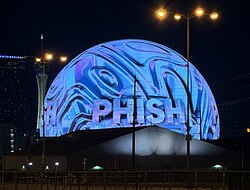
- Recent Milestones: A 2024 residency at the Sphere in Las Vegas and the release of the album Evolve.
The Journey of Phish: From Formation to Modern Era
Foundations and Early Years (1983–1992)
Phish formed in 1983, initially featuring Trey Anastasio, Jon Fishman, and Mike Gordon. Page McConnell joined the lineup in 1985, completing the classic quartet. The early years were marked by the release of The White Tape and the conceptual storytelling of The Man Who Stepped into Yesterday. By the time they released studio albums like Junta (1989), Lawn Boy (1990), and A Picture of Nectar (1992), the band had established a reputation for complex compositions and high-energy shows.
Growth and Experimentalism (1993–1999)
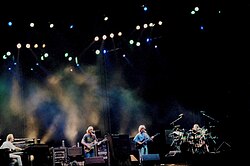
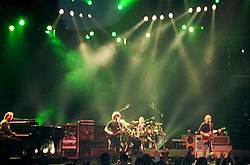
Throughout the 1990s, Phish expanded their sonic palette. Albums such as Rift, Hoist, and Billy Breathes showcased a maturing songwriting style, while The Story of the Ghost and The Siket Disc pushed the boundaries of experimental rock. This era saw the band transition into arena-filling acts, known for their legendary New Year's Eve shows and elaborate stage pranks.
Hiatus, Disbandment, and Reunion (2000–2011)
After releasing Farmhouse in 2000, the band entered a hiatus. They returned briefly from 2002 to 2004, releasing Round Room and Undermind, before officially disbanding at the Coventry festival in 2004. However, the silence was temporary. In 2008, the quartet reunited, sparking a new era of creativity that led to the 2009 album Joy and a renewed commitment to their live community.
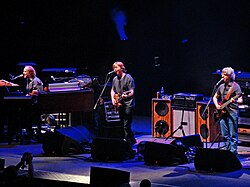
The Modern Era (2012–Present)
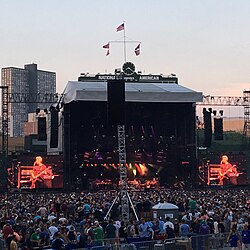
In recent years, Phish has continued to innovate. They released Fuego (2014) and Big Boat (2016), and engaged in conceptual projects like the "fake" Scandinavian prog band Kasvot Växt. Their commitment to the live experience remains paramount, evidenced by their first visit to Chicago's Wrigley Field in 2016 and a cutting-edge four-date concert series at the Sphere in Las Vegas in 2024.
Band Composition and Personnel
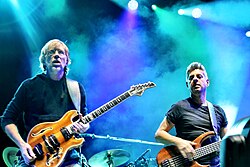
The enduring chemistry of Phish is rooted in its four primary members, supported by a dedicated crew of auxiliary personnel who contribute to the band's signature sound and visual identity.
| Name | Role | Tenure |
|---|---|---|
| Trey Anastasio | Guitar, Lead Vocals | 1983–2004; 2008–present |
| Jon Fishman | Drums, Percussion, Vocals, Vacuum | 1983–2004; 2008–present |
| Mike Gordon | Bass, Vocals | 1983–2004; 2008–present |
| Page McConnell | Keyboards, Vocals | 1985–2004; 2008–present |
| Chris Kuroda | Concert Lighting Director | 1989–2004; 2008–present |
| Tom Marshall | Songwriting, Backing Vocals | 1984–2004; 2008–present |
Studio Discography
While Phish is primarily a live act, their studio albums document their evolution from quirky rock to sophisticated fusion:
- Junta (1989)
- Lawn Boy (1990)
- A Picture of Nectar (1992)
- Rift (1993)
- Hoist (1994)
- Billy Breathes (1996)
- The Story of the Ghost (1998)
- The Siket Disc (1999)
- Farmhouse (2000)
- Round Room (2002)
- Undermind (2004)
- Joy (2009)
- Fuego (2014)
- Big Boat (2016)
- Sigma Oasis (2020)
- Evolve (2024)
Frequently Asked Questions
Who are the current members of Phish?
The current members are Trey Anastasio (guitar/vocals), Jon Fishman (drums/percussion), Mike Gordon (bass/vocals), and Page McConnell (keyboards/vocals).
What genres of music does Phish play?
Phish is primarily a jam band, but their music incorporates rock, psychedelic rock, progressive rock, experimental rock, alternative rock, jazz fusion, and funk rock.
Has Phish ever broken up?
Yes, the band has had several breaks. They went on hiatus in 2000 and officially disbanded in 2004 before reuniting in 2008.
What is the role of Chris Kuroda in the band?
Chris Kuroda is the band's long-time concert lighting director, responsible for the immersive visual experiences that accompany their live performances.
What is the most recent Phish studio album?
The most recent studio album released by the band is Evolve, which came out in 2024.