Same-Sex Marriage: Global Legal Evolution and Public Opinion
The legal recognition of same-sex marriage—the marriage of two people of the same sex—has undergone a rapid global transformation over the last two decades. What began as a pioneering move in a single nation has evolved into a widespread legal shift across diverse continents, reflecting changing societal attitudes toward gender, love, and equal rights.
This evolution is not merely a legal change but a reflection of a broader movement toward equality, impacting everything from family law and adoption to healthcare and social acceptance.

Key Facts
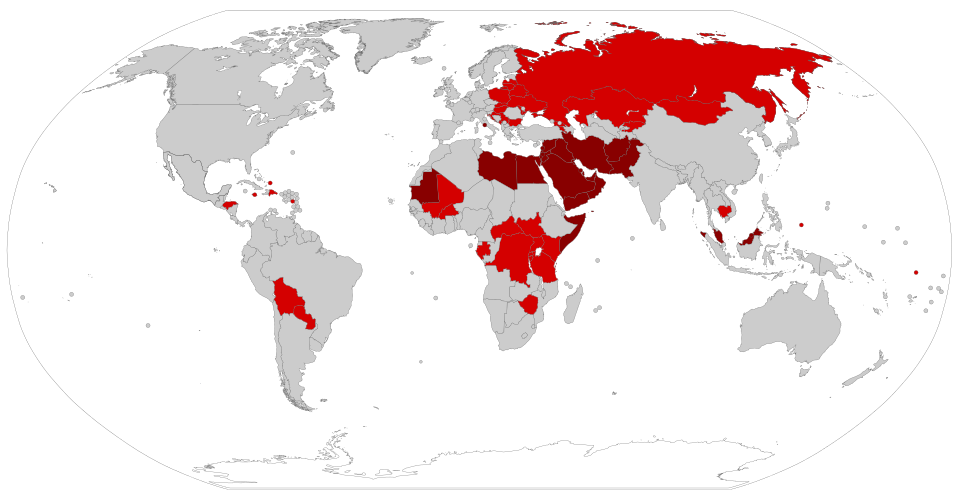
- First Nation: The Netherlands became the first country to legalize same-sex marriage on April 1, 2001.
- US Milestone: Same-sex marriage was legalized nationwide across the United States on June 26, 2015.
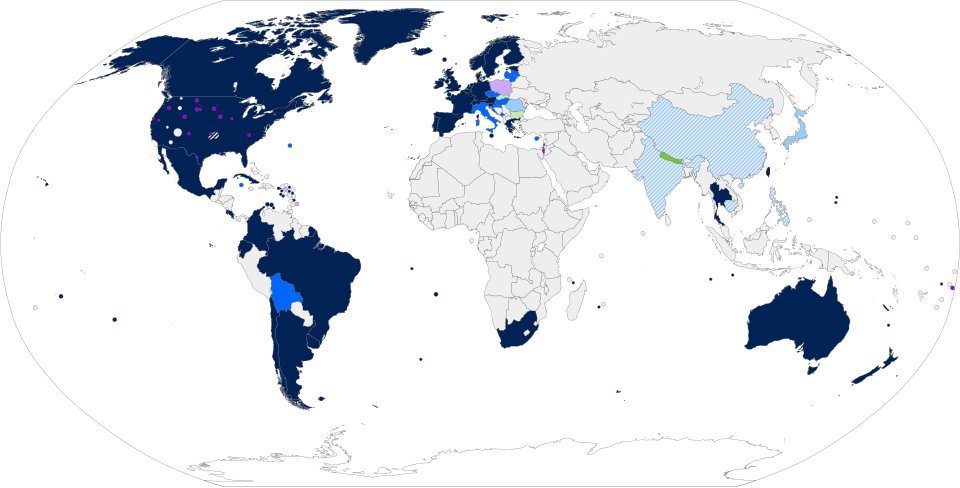
- Global Reach: Legalization has expanded across Europe, the Americas, Africa (South Africa), and Asia (Taiwan, Thailand).
- Alternative Legalities: Some jurisdictions offer civil unions or domestic partnerships instead of full marriage rights.
- Demographic Trends: Public opinion polls consistently show greater support for marriage equality among youth (those under 35).
The Timeline of Legalization

The journey toward marriage equality has followed various paths, including legislative votes, court rulings, and constitutional amendments. The process often began with regional or provincial recognition before expanding to national law.
Early Adoption (2001–2009)
Following the Netherlands in 2001, Belgium (2003) and Spain (2005) were among the first European nations to follow. In Canada, the process began in provinces like Ontario and British Columbia before nationwide legalization was achieved on July 20, 2005. South Africa became a pioneer on the African continent, legalizing same-sex marriage on November 30, 2006.

Rapid Expansion (2010–2015)
The early 2010s saw a surge in recognition. Argentina (2010), France (2013), and New Zealand (2013) all passed landmark legislation. In the United States, a patchwork of state laws existed—with some states like Massachusetts leading the way as early as 2004—until the federal legalization in 2015.

Recent Developments (2016–2025)
More recently, the movement has expanded into Latin America and Asia. Colombia (2016), Ecuador (2019), and Taiwan (2019) have all recognized marriage equality. Most recently, Greece (2024) and Estonia (2024) joined the list, with Thailand and Liechtenstein scheduled for 2025.

Legal Frameworks and Alternatives
Not all legal recognitions are equal. While some countries provide full marriage rights, others utilize different legal instruments to provide protections to same-sex couples.
Civil Unions and Partnerships
Civil unions are legal arrangements that provide some, but not necessarily all, of the rights and benefits of marriage. Many advocates argue that these are inferior to full marriage recognition because they create a separate, "second-class" legal status.
![Many advocates, such as this November 2008 protester at a demonstration in New York City against California Proposition 8, reject the notion of civil unions, describing them as inferior to the legal recognition of same-sex marriage.[79]](/images/75/e7/75e74f233afc4e6998bbb695e503c0acf6742e07b2f9a700c73f87f743806f0a.jpg)
Adoption and Family Rights
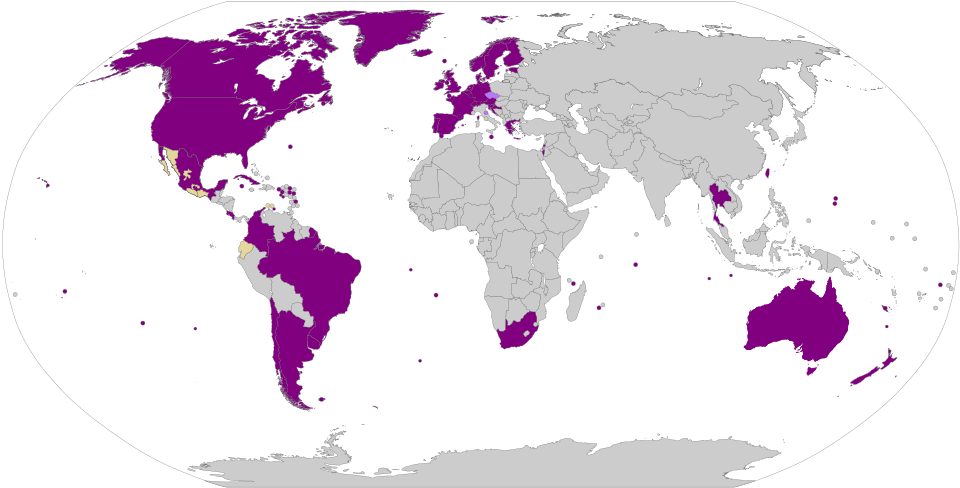
The right to form a family is a critical component of marriage equality. Legal statuses vary significantly: some jurisdictions allow full joint adoption, others only allow second-parent (stepchild) adoption, and some prohibit adoption by same-sex couples entirely, even if marriage is legal.

Public Opinion and Societal Trends
Public support for same-sex marriage varies wildly by region and is often influenced by cultural and religious factors. Data indicates a strong generational divide, with younger populations showing significantly higher levels of support.
For example, in the United Kingdom and the United States, a majority of the population supports marriage equality, whereas in countries like Nigeria, opposition remains very high. In many regions, support has grown steadily over the last decade as more couples enter legal unions.
![Public opinion of same-sex marriage. Fraction in favor:[124] 5⁄6+ 2⁄3+ 1⁄2+ 1⁄3+ 1⁄6+ <1⁄6 no polls](/images/6d/57/6d57cdabb0ccbb7b27d07f8a415e599453d3d810221f7fd95c60986c39658d21.webp)
Summary of Global Legal Status
| Legal Status | Description | Rights Provided |
|---|---|---|
| Full Marriage | Legally recognized marriage for same-sex couples. | Full legal rights and benefits. |
| Civil Unions | Registered partnerships distinct from marriage. | Partial legal protections. |
| Limited Recognition | Recognition of marriages performed abroad. | Often limited to residency rights. |
| No Recognition | No legal union or partnership available. | None. |
Frequently Asked Questions
Which country was the first to legalize same-sex marriage?
The Netherlands was the first country to legalize same-sex marriage, doing so on April 1, 2001.
What is the difference between a civil union and a marriage?
While both provide legal protections, marriage is a globally recognized status with full legal rights. Civil unions are often separate legal categories that may offer fewer benefits and lack the same social and international recognition.
Is same-sex adoption legal everywhere marriage is?
No. In some jurisdictions, same-sex marriage is legal, but adoption by married same-sex couples is still not permitted.
How does age affect public opinion on marriage equality?
Polls generally show that people under the age of 35 are significantly more likely to support same-sex marriage than those over 35.
When did the United States legalize same-sex marriage nationwide?
Same-sex marriage became legal across all U.S. states and territories on June 26, 2015.