LGBTQ Identities, Culture, and Global Rights
The term LGBTQ serves as an umbrella for individuals who identify as lesbian, gay, bisexual, transgender, or queer. This broad group encompasses sexual and gender minorities, reflecting a diverse array of human experiences. Depending on the context, the initialism is often expanded to include other identities, such as questioning, intersex, asexual, aromantic, and agender, resulting in variations like LGBT, LGBT+, LGBTQ+, and LGBTQIA+.
At its core, the LGBTQ community includes people with non-heterosexual orientations, those who are transgender or non-binary, and individuals who are aromantic or intersex. While "queer" is sometimes used as a general synonym for the entire group, it is also embraced by many as a specific personal identity.
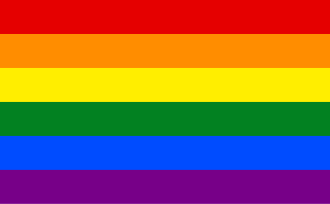
Key Facts
- Broad Scope: Includes lesbian, gay, bisexual, transgender, queer, intersex, asexual, and aromantic individuals.
- Community Pillars: Built around shared culture, geography (such as gay villages), and advocacy organizations.
- Legal Variance: Rights range from full marriage equality to the death penalty for homosexuality depending on the jurisdiction.
- Historical Milestones: The Netherlands was the first country to legalize same-sex marriage (2001), and Ireland was the first to do so by popular vote (2015).
- Resilience: LGBTQ individuals utilize both personal coping mechanisms and collective community resources to navigate social stigma.
The LGBTQ Community and Culture
The LGBTQ community is often defined by shared culture, geography, or participation in focused organizations. These include student groups, affirming religious organizations, and social movements. For many, community-building serves as a vital counterweight to heterosexism (the assumption that heterosexuality is the default or superior orientation), homophobia, biphobia, and transphobia.
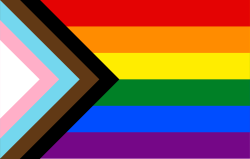
Culture within the community varies significantly by region and identity, but several common elements exist globally:
- Pride Movements: Annual parades and celebrations of identity.
- Specialized Events: International gatherings such as the Gay Games and Southern Decadence.
- Creative Expression: The queer art movement and dedicated LGBTQ media.
- Economic Spaces: LGBTQ-owned businesses that provide safe and tailored services.
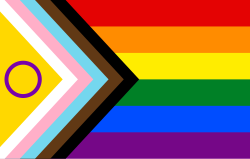
Not everyone identifies with this subculture. Some may be geographically isolated, unaware of these spaces, or prefer to remain unidentified due to social stigma. Additionally, movements like Queercore and Gay Shame critique the perceived commercialization and "ghettoization" of LGBTQ culture.
![Greenwich Village, a gay neighborhood in Manhattan, is home to the Stonewall Inn, shown here adorned with rainbow pride flags.[8][9][10]](/images/cf/e5/cfe5cb0b7bae4a752388e45a659b5fd84d1702a59da2dd3d47630f9606ad0998.jpg)
History and Global Milestones
While records of same-sex love and diverse gender identities exist throughout human history across the globe, these narratives were often suppressed due to marginalization and persecution. In recent decades, these histories have been reclaimed and integrated into mainstream narratives.
To honor this legacy, LGBT History Month is observed annually. In the United States, it takes place in October and includes National Coming Out Day on October 11. In the United Kingdom, it is observed in February, coinciding with the repeal of Section 28 (legislation that previously prohibited local authorities from "promoting" homosexuality).
Legal Rights and Challenges
The legal landscape for LGBTQ people is highly fragmented. In some jurisdictions, there are strong protections and recognition, while in others, consensual same-sex activity is criminalized.
Key Legal Areas
- Family Law: Legal recognition of same-sex marriage and parenting/adoption rights.
- Civil Protections: Anti-discrimination laws in housing, education, and employment.
- Criminal Justice: Hate crime laws that penalize prejudice-motivated violence.
- Healthcare: Access to gender-affirming surgery and hormone replacement therapy.
- Identity: Legal recognition of an individual's affirmed gender.
Discrimination and Resilience
Discrimination persists even in countries with legal protections. This can manifest as institutional bias, social prejudice, or state-sponsored censorship. Research indicates that LGBTQ people develop two types of resilience: individual resilience (personal coping) and community resilience (supportive institutions and shared identity).
A longitudinal study (2017–2025) identified a phenomenon called identity vigilance. This occurs when individuals increase their group identification and desire to preserve identity-related symbols as a buffer against the negative emotional effects of perceived social decline.
Summary of LGBTQ Terminology and Rights
| Category | Examples/Focus | Key Legal/Social Issues |
|---|---|---|
| Sexual Orientation | Lesbian, Gay, Bisexual, Asexual | Marriage equality, sodomy laws |
| Gender Identity | Transgender, Non-binary, Agender | Gender-affirming care, bathroom bills |
| Biological Sex | Intersex | Medical ethics, legal recognition |
| Romantic Orientation | Aromantic | Social visibility and understanding |
Frequently Asked Questions
What does the "Q" in LGBTQ stand for?
The "Q" typically stands for Queer or Questioning. Queer is used by some as a general umbrella term for the community and by others as a specific identity, while questioning refers to those exploring their sexual orientation or gender identity.
What is the difference between individual and community resilience?
Individual resilience refers to a person's internal coping resources and personal strength. Community resilience refers to group-level resources, such as supportive institutions, role models, and a shared sense of identity that helps individuals navigate collective stigma.
Which countries were pioneers in same-sex marriage?
The Netherlands became the first country to legalize same-sex marriage in 2001. Ireland later became the first country to legalize it through a popular vote in 2015.
What are "bathroom bills"?
Bathroom bills are laws that restrict access to sex-segregated facilities (such as restrooms) for transgender people, often requiring them to use facilities based on their sex assigned at birth rather than their affirmed gender.
What is identity vigilance?
Identity vigilance is a collective response where LGBTQ individuals strengthen their group identification and commitment to identity-related spaces and symbols when they perceive a decline in progressive social change.