Salvador BahiaAfro-Brazilian culturePelourinhoUNESCO World Heritage SiteBrazil tourism

Salvador: The Vibrant Heart of Afro-Brazilian Culture

Salvador: The Vibrant Heart of Afro-Brazilian Culture Perched on the northeastern coast of Brazil, Salvador is more than just the capital of Bahia; it is a living museum of history and th...

Salvador: The Vibrant Heart of Afro-Brazilian Culture

Perched on the northeastern coast of Brazil, Salvador is more than just the capital of Bahia; it is a living museum of history and the epicenter of Afro-Brazilian identity. Known by the nicknames Roma Negra ("Black Rome") and Soterópolis ("Savior City"), this coastal metropolis blends colonial grandeur with a rhythmic, spiritual energy that is unique in the Southern Hemisphere.

Founded on March 29, 1549, Salvador served as the first capital of Brazil, leaving a legacy of architectural splendor and complex social histories. Today, it is a bustling urban center where the scent of palm oil fills the air and the sounds of the Bahian guitar echo through cobblestone streets.
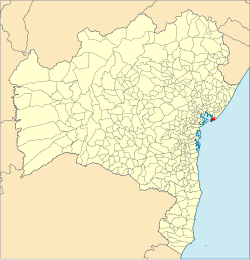
Location of Salvador on a map of municipalities of Bahia

Key Facts

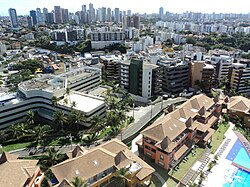
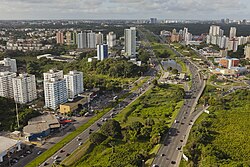
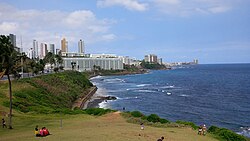
Rio Vermelho and Horto Florestal neighborhoods
  • Founded: March 29, 1549.
  • Demographics: A diverse population where 49.1% identify as Pardo (multiracial) and 34.1% as Black.
  • UNESCO Status: The Historic Center of Salvador de Bahia was inscribed as a World Heritage Site in 1985.
  • Climate: Tropical, with an annual average precipitation of 1,833.3 mm.
  • Economy: A major metropolitan hub with a 2023 GDP (PPP) of $49.0 billion.

A Journey Through History
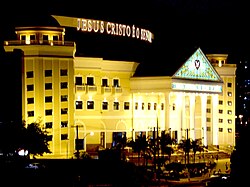
Protestant Church in Iguatemi neighborhood

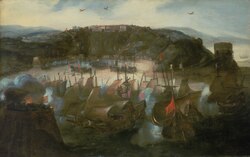
The city's origins are tied to the arrival of Tomé de Sousa in the 16th century, establishing a strategic Portuguese stronghold. Over the centuries, Salvador weathered various challenges, including an unsuccessful invasion by a Dutch fleet commanded by Piet Pieterszoon Hein in 1624.
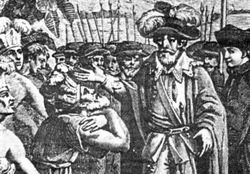
Tomé de Sousa arrives in Bahia, 16th century.

Dutch fleet commanded by Piet Pieterszoon Hein in Salvador during the unsuccessful 1624 invasion.

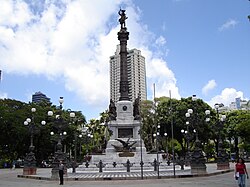
As the city evolved through the Empire of Brazil and into the modern era, it became a symbol of resistance and independence. The Campo Grande Square now hosts a monument dedicated to the heroes who fought for Bahia's independence from Portugal.
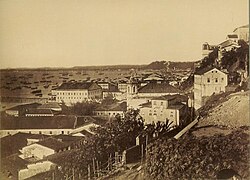
Salvador in 1875 during the Empire of Brazil.

Monument dedicated to the heroes of the battles of Bahia's independence from Portugal in the Campo Grande Square

Geography and Urban Landscape

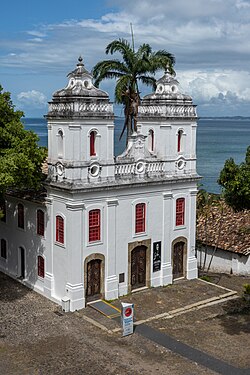
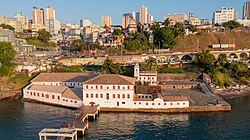
Capela de Nossa Senhora da Conceição, Solar do Unhão, Salvador, Bahia

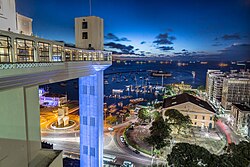
Salvador is characterized by its dramatic topography, traditionally divided into the Cidade Alta (Upper City) and Cidade Baixa (Lower City). This geographical split is bridged by the iconic Lacerda Elevator, providing panoramic views of the bay.

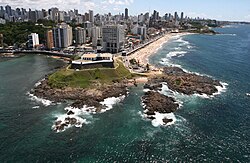
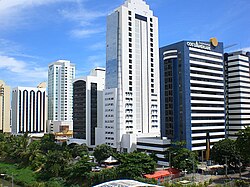
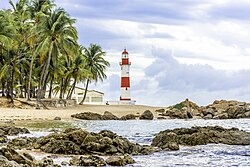
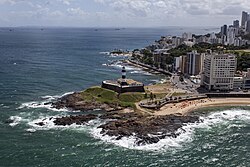
The city's neighborhoods offer contrasting experiences. The Vitória neighborhood is known as the most expensive address in the city, featuring modern skyscrapers, while Barra is famous for its beaches and the Farol da Barra (Barra Lighthouse), marking the extreme southern point of the city.
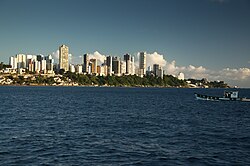
Skyscrapers in Vitória neighborhood, the most expensive address in the city

View of Farol da Barra Lighthouse

The extreme southern point of the city in the neighborhood of Barra.

Modern Infrastructure

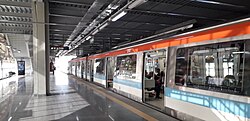
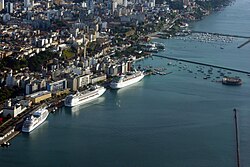
To support its population of over 2.5 million people, Salvador has developed a robust infrastructure. This includes the Deputado Luís Eduardo Magalhães International Airport (SSA), the Port of Salvador, and a modern Metro system. Major arteries like the Luís Viana Avenue (Paralela Avenue) connect the Financial Center to the North Zone.
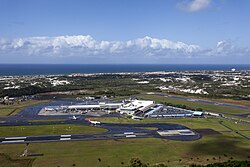
Deputado Luís Eduardo Magalhães International Airport (SSA)

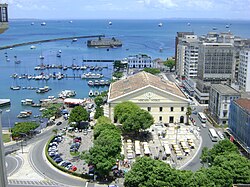
Port of Salvador
Port of Salvador

View of Salvador Metro

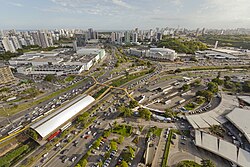
Luís Viana Avenue (also known as Paralela Avenue). It connects the Financial Center to the North Zone of city (airport).

Culture, Religion, and Tradition

Buildings on Tancredo Neves Avenue

Salvador is the global center of Afro-Brazilian culture. This influence is most visible in the city's religious diversity. While Catholicism remains the largest faith (43.96%), the city is a sanctuary for Afro-Brazilian expressions such as Candomblé and Umbanda, which blend African traditions with other beliefs.

Mannerist Cathedral Basilica of Salvador, the Primate of Brazil (1657–1746[57])

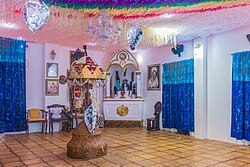
A temple of Afro-Brazilian religious expression in Salvador.

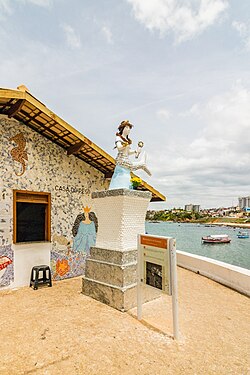
The religious house that holds the Afro-Brazilian goddess Yemanjá in Salvador.

The Spirit of Pelourinho

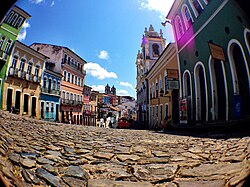
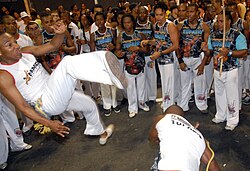
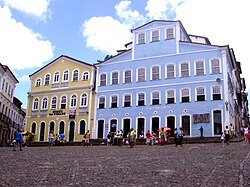
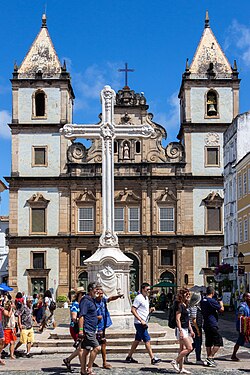
The Pelourinho district is the soul of the city. This historic center is famous for its colorful colonial houses, the Mannerist Cathedral Basilica, and the Convent and Church of São Francisco. It is also the birthplace of Capoeira—a martial art that combines dance, acrobatics, and music.
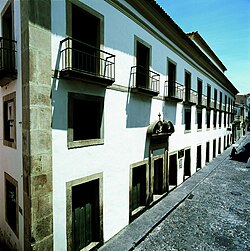
Solar Ferrão in Pelourinho

Convent and Church of São Francisco in Pelourinho

View of Largo do Pelourinho

Capoeira in Salvador

Gastronomy and Arts

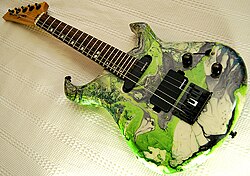
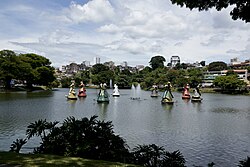
The city's culinary identity is defined by Acarajé, a traditional street food made from peeled black-eyed peas fried in dendê (palm oil). The arts scene is equally vibrant, from the sculptures of orishas at Dique do Tororó to the unique sounds of the Bahian guitar.
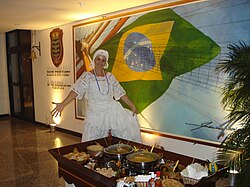
Acarajé is a traditional street food in Salvador.

The sculptures of orishas by Dique do Tororó

The Bahian guitar is an instrument with four, five or six strings, created in Salvador - Bahia.

Carnival and Celebration

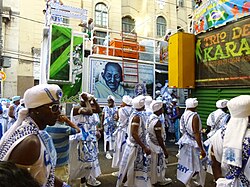
Salvador hosts one of the largest street carnivals in the world. The festivities are characterized by massive sound trucks and groups like the Filhos de Gandhy, drawing millions of visitors to the Barra-Ondina Circuit.
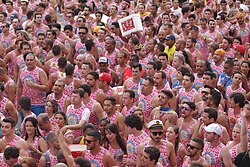
Salvador's Street Carnival, one of the largest in the world

Filhos de Gandhy carnival 2013 Salvador Bahia.

Education and Notable Figures

Aerial view of Iguatemi neighborhood with the Iguatemi Shopping Mall at the top left.

Salvador is a major educational hub, home to the Universidade Federal da Bahia (UFBA) and the first medical school in the country, the Faculdade de Medicina da Bahia (FMB).
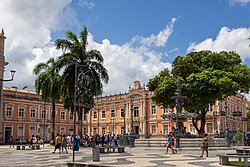
Faculty of Medicine of the Federal University of Bahia.

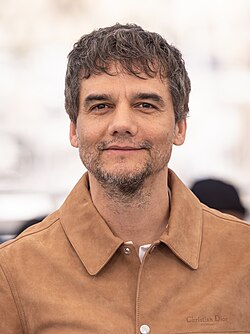
The city has produced world-renowned figures across various fields, including supermodel Adriana Lima, Golden Globe-winning actor Wagner Moura, and legendary musicians like Gal Costa and Raul Seixas.
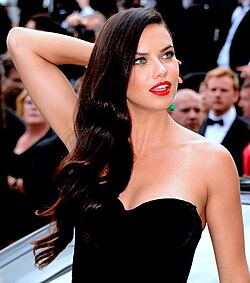
Adriana Lima, supermodel and longest-running Victoria's Secret Angel from 2000 to 2018

Wagner Moura, Golden Globe-winning actor

City Overview Summary

Ruy Barbosa Forum
Ruy Barbosa Forum
Salvador Municipal Profile
Category Detail
Population (Municipality) 2,564,204 (2025)
Land Area 693 km²
HDI (2010) 0.759 (High)
Primary Religion Catholic (43.96%)
Major Ethnicity Pardo (49.1%)
Time Zone UTC−3 (BRT)

Frequently Asked Questions
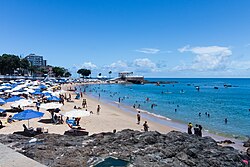
Porto da Barra Beach in Barra
Salvador, capital of Bahia state, is the centre of Afro-Brazilian culture.
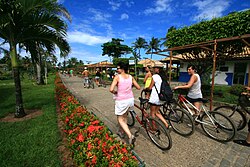
Cyclists in Pituaçu Park
Beach & Lighthouse by Itapuã
Museo de Arte Moderno de Bahía - Solar do Unhão
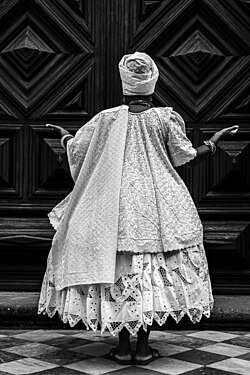
Baiana
Baiana
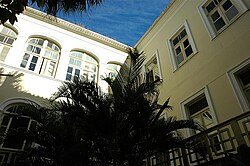
Archeology and Ethnology Museum of UFBA
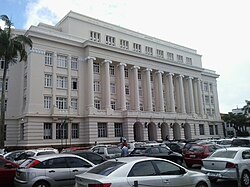
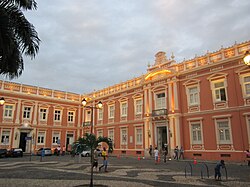
The old Faculdade de Medicina da Bahia (FMB), the first medical school in the country, located in Pelourinho. In recent times, it serves as a museum.
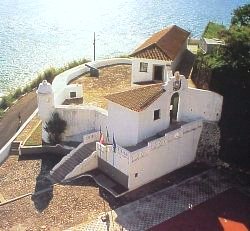
Forte de São Diogo in Barra neighborhood
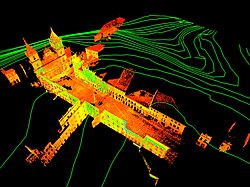
Perspective view of the Salvador Bahia Pelourinho's Anchieta Plaza, cut from a Laser Scan preservationist project conducted by nonprofit CyArk.
Old Customs in Pelourinho
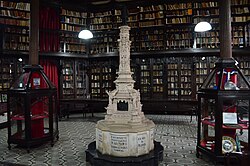
Royal Portuguese Reading Cabinet interior view.
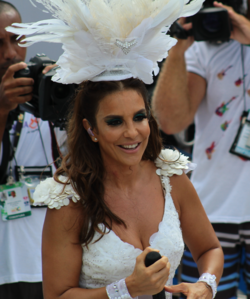
The Bahian singer Ivete Sangalo in Barra – Ondina Circuit, on Oceanic Avenue
Modelo Public Market.
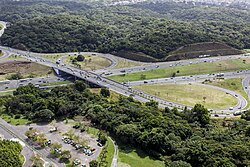
Luís Eduardo Magalhães viaduct.
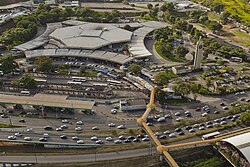
Salvador Bus Station.
Barra neighborhood in South Zone
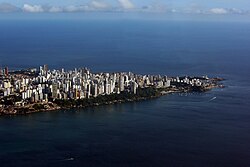
Aerial view of Salvador
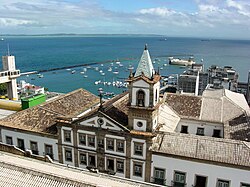
Old houses in the historical center of Salvador.
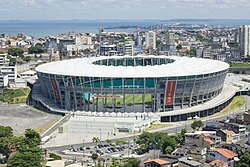
Fonte Nova Arena
Fonte Nova Arena
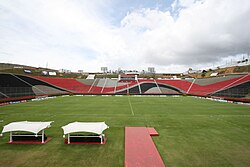
Manoel Barradas Stadium
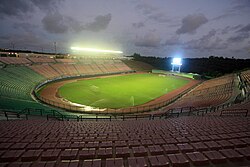
Pituaçu Stadium
Pituaçu Stadium
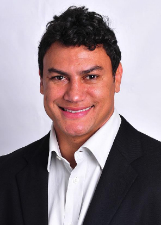
Popó, former professional boxer
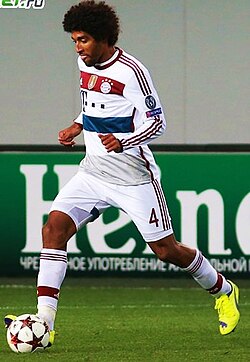
Dante, professional footballer

What is the significance of Pelourinho?

Pelourinho is the historic heart of Salvador and a UNESCO World Heritage Site. It is renowned for its Portuguese colonial architecture, vibrant colors, and its role as a center for Afro-Brazilian culture and music.

What is Acarajé?

Acarajé is a traditional Bahian street food consisting of a deep-fried ball of dough made from peeled black-eyed peas, typically filled with vatapá (a creamy paste) and shrimp.

How is the city geographically divided?

Salvador is split into the Upper City (Cidade Alta) and Lower City (Cidade Baixa), which are connected by the Lacerda Elevator and various slopes.

What is the climate like in Salvador?

The city has a tropical climate with warm temperatures year-round. The rainiest months are typically April and May, with an annual average precipitation of over 1,800 mm.

Which famous people are from Salvador?

Notable residents and natives include actor Wagner Moura, supermodel Adriana Lima, and various world-champion boxers and footballers like Dante.