Balneário Camboriú: The Brazilian Dubai of Santa Catarina
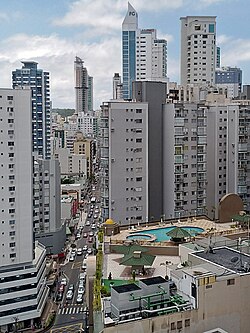
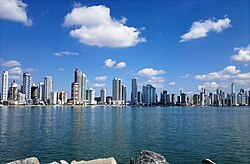
Perched on the steep hills of the southern Brazilian state of Santa Catarina, Balneário Camboriú is a coastal city that blends natural beauty with an ambitious urban skyline. Known for its dramatic drop-offs into the Atlantic Ocean and its affluent atmosphere, the city has earned the nickname "Brazilian Dubai" due to its concentration of high-rise skyscrapers and luxury tourism.
The city serves as a premier destination for South American travelers, particularly during the summer months. While the permanent population stands at 139,155 (according to the 2022 Census), this number can swell to over one million visitors during the peak season, centering around the famous Avenida Atlântica boulevard.
Key Facts
- Location: Santa Catarina, Southern Region of Brazil.
- Nickname: "Brazilian Dubai" due to its skyline and wealth.
- Key Landmark: Cristo Luz, a 33-meter statue of Jesus.
- Unique Attraction: A beach-to-beach cable car linking Praia Central and Praia das Laranjeiras.
- Economy: Driven by high-end residential real estate and tourism.
- HDI: 0.845 (Very High).
Geography and Climate
Balneário Camboriú is situated 10 km south of Itajaí and 80 km north of the state capital, Florianópolis. The city is bordered to the west by the Camboriú River, which meets the ocean at the southern edge of the city center.
The region experiences a mesothermic humid climate (Köppen Cfa), characterized by hot summers and mild winters. The annual average temperature is 19°C, with summer averages around 25°C and winter averages near 15°C. Rainfall is consistent throughout the year, averaging 1,500 mm annually, with February and March being the ideal months for beach visits.
History and Heritage
The region was originally inhabited by the Tupi-Guaraní tribe. European settlement began in 1758, starting with families from Porto Belo and later settlers from the Azores and Germany. The German influence remains strong, with the majority of the current population being of German descent.
The city evolved from a district of Itajaí (established in 1848) to an autonomous municipality on July 20, 1964. The name "Camboriú" is debated; some believe it refers to a sharp bend in the river (from the Portuguese cambar), while others suggest it is a Tupi language term.
Tourism and Main Attractions
The city offers a diverse array of activities, from high-adrenaline sports to cultural landmarks.
Coastal Wonders and Parks
The Parque Unipraias is one of the city's most iconic features, utilizing a cable car (teleférico) to transport visitors from the central beach to Laranjeiras Beach. The park also preserves remnants of the Mata Atlântica (Atlantic Forest), an endangered ecosystem.
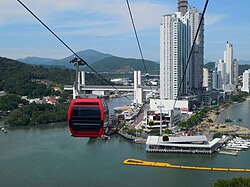
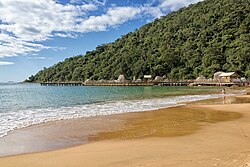
For those seeking sun and sand, Praia das Laranjeiras is a highlight, often accessed via 17th-century-style pirate ships that sail around the uninhabited Ilha das Cabras (Goats' Island).
Landmarks and Culture
- Cristo Luz: A 33-meter statue of Christ atop Morro da Cruz. It features a spotlight symbolizing the sun that illuminates the city at night.
- Parque Cyro Gevaerd: A complex featuring a zoo, aquarium, and museums dedicated to archaeology, oceanography, and local fishermen.
- Capela de Santo Amaro: A historical chapel built in 1810 using a unique mixture of mortar and whale oil.
- Parque Natural Municipal Raimundo Gonçalez Malta: An ecological park featuring bromeliad gardens and nature trails.
The Electronic Music Capital
Beyond the beaches, the city is recognized as Brazil's "capital of e-music." It is home to world-renowned nightclubs, including Green Valley, which has been ranked as one of the top nightclubs globally by DJ Magazine.
Economy and Urban Development
The local economy is heavily reliant on the residential real estate market. Due to flexible urban laws, the city boasts some of the tallest buildings in the Southern Hemisphere, some exceeding 280 meters. Beachfront properties can reach prices of US$10,000 per square meter.
While the city is affluent, the massive influx of summer tourists puts significant pressure on municipal infrastructure, occasionally leading to water shortages and traffic congestion on the BR-101 highway. To improve accessibility, a new cruise terminal is planned for completion between 2025 and 2026.
| Category | Detail |
|---|---|
| Population (2022 Census) | 139,155 |
| Area | 46 km² |
| HDI (2010) | 0.845 (Very High) |
| Main Airport | Ministro Victor Konder (Navegantes) |
| Primary Ethnicity | German descent (92.5% White) |
Frequently Asked Questions
Why is Balneário Camboriú called the "Brazilian Dubai"?
The city earned this nickname because of its high concentration of luxury skyscrapers, affluent tourists, and a high-end real estate market that mirrors the urban development of Dubai.
What is the best time of year to visit?
February and March are considered the best months to enjoy the beaches, as they are the warmest months of the year.
How do I get to the city?
The nearest airport is Ministro Victor Konder International Airport, located in the neighboring municipality of Navegantes, approximately 16 km away. Road access is primarily via the BR-101 highway.
What is unique about the Cristo Luz statue?
Standing 33 meters tall, Cristo Luz is nearly as tall as Rio's Christ the Redeemer. It is unique for the circular "broad-brimmed hat" at Jesus's shoulder, which houses a powerful spotlight that shines over the city.
What are the best beaches in the area?
While Praia Central is the most famous, visitors also frequent Praia das Laranjeiras, Bamboos, Estaleiro, Estaleirinho, and Pinho beach, the latter being Brazil's first officially designated nudist beach.