Curitiba: Brazil's Ecological Capital and Model City
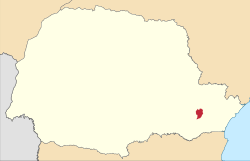
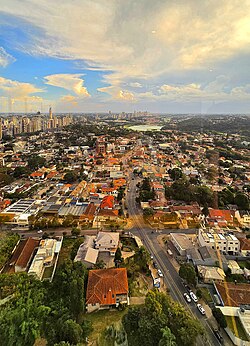
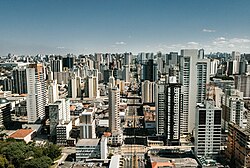
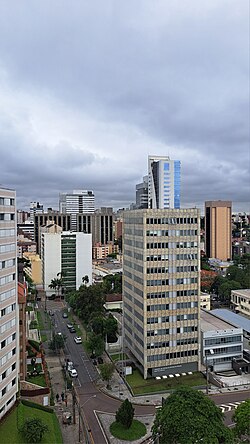
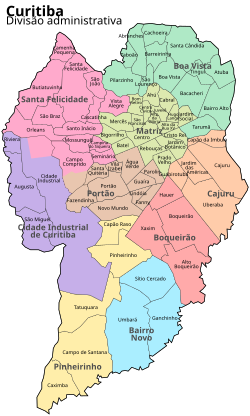
Nestled in the southern region of Brazil, Curitiba serves as the capital of the state of Paraná. Known by various evocative nicknames such as the "Model City," the "Green City," and the "Ecological Capital of Brazil," Curitiba is globally recognized for its innovative approach to urban planning and sustainability. From its high elevation and misty landscapes to its diverse cultural heritage, the city blends modern efficiency with natural beauty.
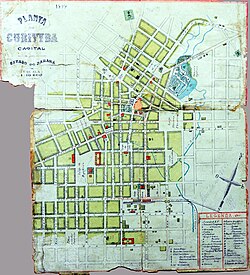
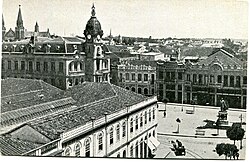
Founded on March 29, 1693, and incorporated in 1842, Curitiba has evolved from a colonial settlement into a major metropolitan hub. Today, it is a center of education, culture, and administration, boasting a very high Human Development Index (HDI) of 0.823.
Key Facts
- Population: Approximately 1,830,795 in the municipality and 3,559,366 in the metropolitan area (2025).
- Elevation: 934.6 meters (3,066 ft) above sea level.
- Economy: A total GDP (PPP) of $77.8 billion as of 2023.
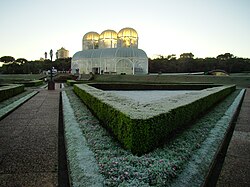
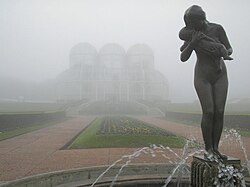
- Climate: Known as "The City of Eternal Fog," characterized by mild to cool temperatures and frequent frost.
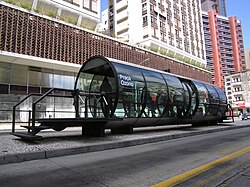
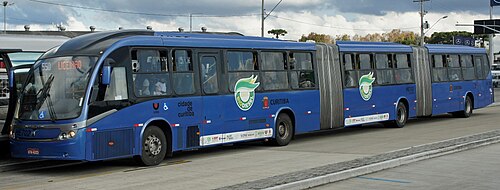
- Innovation: Home to the world's largest bi-articulated buses and a pioneering tube-shaped bus stop system.
Geography and Climate
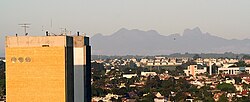
Curitiba is situated on a plateau, which contributes to its relatively cool climate compared to the rest of Brazil. The city is bordered by the Serra do Mar (Mountain Range of the Sea) and the Iguaçu River, which runs through its southern region.
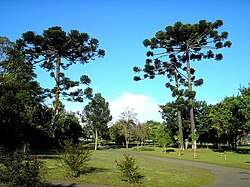
The weather is marked by significant variability. While summer temperatures can reach record highs of 35.5°C, winters are notably chilly, with record lows dropping to -5.4°C. This climate supports the growth of the Araucaria (Brazilian pine), giving the city its nickname "Capital of Araucarias." Fog and frost are common occurrences, adding to the city's atmospheric charm.
Urban Planning and Transportation
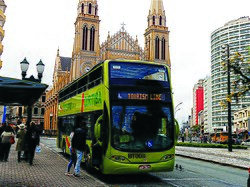
Curitiba is a global benchmark for urban acupuncture—the practice of making small, strategic interventions to improve the overall health of a city. This is most evident in its public transportation system, which utilizes dedicated lanes and iconic tube-shaped stations (Estação Tubo) to streamline boarding.
The city operates the largest bi-articulated buses in the world, ensuring efficient movement across its 430.9 km² municipality. This commitment to sustainability extends to its vast network of parks and green spaces, which serve both as leisure areas and flood control mechanisms.
Culture and Demographics
The population of Curitiba is a melting pot of ethnicities, with a strong influence from European immigrants. Approximately 74.4% of the population identifies as White, 20.1% as Pardo (multiracial), and 4.1% as Black.
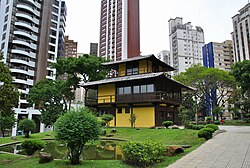
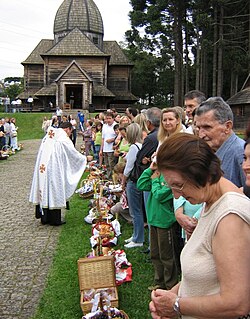
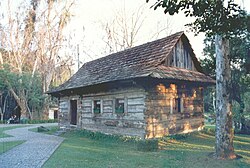
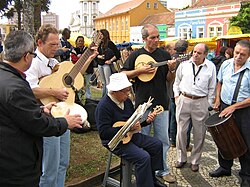
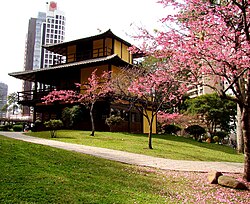
This diversity is celebrated through various cultural landmarks, including the Praça do Japão (Japan Square), the Polish Memorial, and celebrations by Brazilians of Ukrainian descent.
Arts and Museums
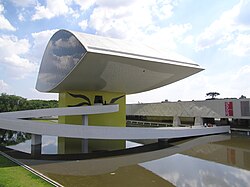
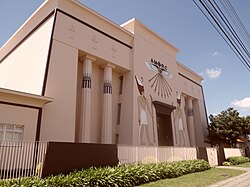
Curitiba is a sanctuary for art lovers. The Oscar Niemeyer Museum stands as the largest museum in South America, dedicated to plastic arts. Other notable institutions include the Egyptian and Rosicrucian Museum, the Holocaust Museum, and the Image and Sound Museum.
Gastronomy and Leisure
The city offers diverse culinary experiences, ranging from the massive Restaurante Madalosso—one of the largest in the world—to the traditional street markets like the Feirinha do Largo da Ordem.
Top Tourist Attractions
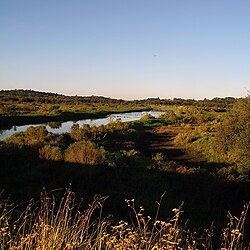
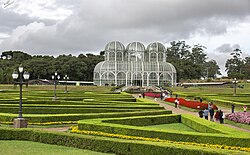
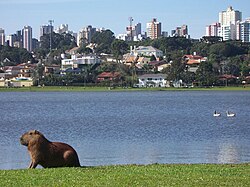
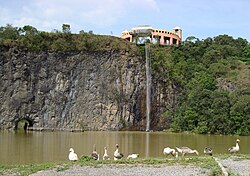
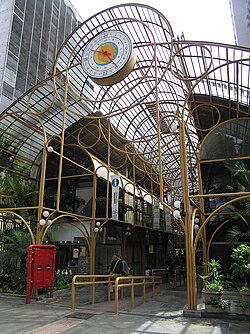
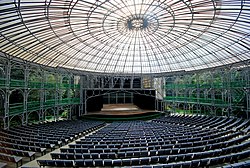
Visitors to Curitiba often start at the Botanical Garden, famous for its stunning greenhouse and Araucaria trees. Other must-visit spots include Tanguá Park, Barigui Park (where capybaras are frequently spotted), and the Wire Opera House.
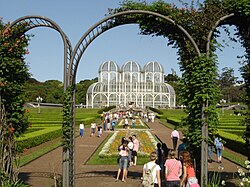
| Attraction | Primary Feature | Significance |
|---|---|---|
| Botanical Garden | Glass Greenhouse | City's most iconic landmark |
| Oscar Niemeyer Museum | Modernist Architecture | Largest plastic arts museum in South America |
| Tanguá Park | Lake and Quarries | Premier sunset viewing spot |
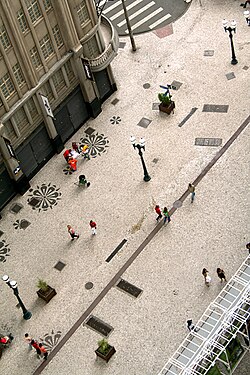
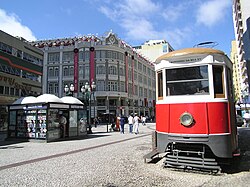
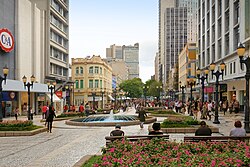
| 24 Hour Street | Pedestrian Mall | One of the first pedestrian streets in the world |
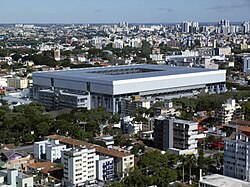
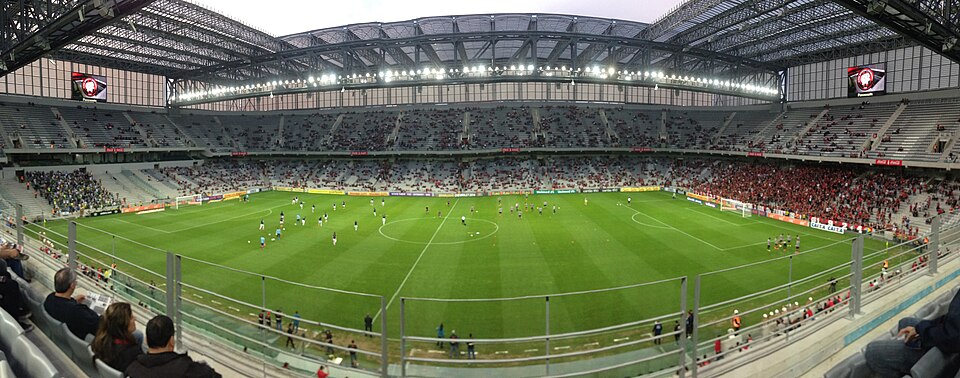
| Arena da Baixada | Football Stadium | Home to major sporting events |
Frequently Asked Questions
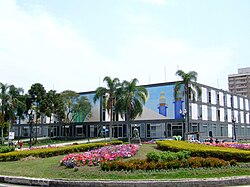
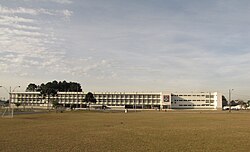
![Federal University of Paraná was the first university opened in Brazil.[89]](/images/be/5e/be5ea71afbf8498d37641c6643179f1bfd41b9a25fe6ebef78ff1daf6c92f578.jpg)
What makes Curitiba a "Model City"?
Curitiba is called a Model City due to its pioneering urban planning, specifically its integrated transit system, extensive green spaces, and sustainable waste management practices that have been emulated worldwide.
What is the weather like in Curitiba?
Curitiba has a subtropical highland climate. It is one of the coldest capitals in Brazil, known for frequent fog, mild summers, and winters that can bring frost and temperatures near or below freezing.
Which is the largest museum in South America located here?
The Oscar Niemeyer Museum is the largest museum in South America, focusing on plastic arts and featuring striking architecture designed by the renowned Oscar Niemeyer.
How does the public transport system work?
The city uses a Bus Rapid Transit (BRT) system with dedicated lanes, bi-articulated buses for high capacity, and tube-shaped stations that allow for pre-paid, level-entry boarding to reduce dwell time.
What are the most famous parks in the city?
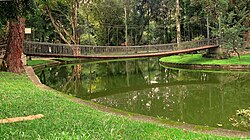
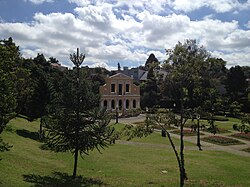
The most famous parks include the Botanical Garden of Curitiba, Tanguá Park, Barigui Park, and the Passeio Público, which is the city's oldest public park, opened in 1886.