Sáenz Peña Law: The Foundation of Modern Argentine Democracy
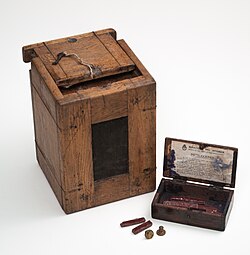
The Sáenz Peña Law (Law 8871) stands as one of the most pivotal legislative milestones in Argentine history. Sanctioned by the National Congress on February 10, 1912, and published on February 13, this law fundamentally transformed the nation's political landscape by establishing a system of universal, secret, and compulsory male suffrage.
Before this reform, Argentine elections were characterized by a lack of privacy, which frequently led to widespread fraud, voter intimidation, and the buying of votes. By introducing the Padrón Electoral (an official electoral list), the law aimed to sanitize the democratic process and ensure that the will of the people was accurately reflected in the government.
Key Facts
- Official Name: Law 8871, known as the Sáenz Peña Law.
- Sanction Date: February 10, 1912.
- Core Mandates: Established voting that was universal (for eligible males), secret, and compulsory.
- Primary Architect: President Roque Sáenz Peña.
- Major Outcome: Led to the victory of Hipólito Yrigoyen and the Radical Civic Union (UCR).
The Origins of Electoral Reform
President Roque Sáenz Peña first signaled his intent to overhaul the voting system during his inaugural speech to the National Congress in 1910. The reform was designed to strip the executive branch of its ability to manipulate electoral lists, a common practice used by the ruling elite to maintain power.
To achieve this, Interior Minister Indalecio Gómez proposed a structural shift: the compilation of the electoral list was moved to the War Ministry—utilizing records of males over 18 called for conscription—while the judicial branch was tasked with organizing elections and determining voter eligibility.
Scope and Limitations of "Universal" Suffrage
While the law was termed "universal," its application was limited by the standards of the era. The right to vote was extended only to native and naturalized men. Women were excluded from the franchise until 1947, during the first presidency of Juan Perón.
Furthermore, non-citizen immigrants were denied the vote. This exclusion was significant given the demographic makeup of the time; according to the 1914 national census, 30% of the total population was foreign-born, with that figure rising to 49% in Buenos Aires. The governing elite blocked immigrant suffrage due to fears that these populations would support "extremist" political parties.
Political Consequences and the Rise of the UCR
The implementation of Law 8871 shattered the hold of the conservative elites who had dominated Argentine politics for decades through fraudulent means. Unable to build a popular base of support, the conservatives were displaced by the Radical Civic Union (Unión Cívica Radical, UCR).
In the first presidential elections held under the new law, Hipólito Yrigoyen of the UCR won by a considerable margin, establishing the UCR as the nation's most powerful political force. This shift forced all political parties to modernize; they were required to create formal electoral platforms, revise internal regulations, open local offices, and hold periodic assemblies to engage the electorate.
| Feature | Pre-1912 System | Post-1912 System |
|---|---|---|
| Voting Method | Open/Public | Secret |
| Participation | Voluntary/Manipulated | Compulsory |
| List Management | Executive Branch | War Ministry & Judiciary |
| Eligible Voters | Limited/Controlled | Native & Naturalized Men |
Frequently Asked Questions
Who was the main supporter of the Sáenz Peña Law?
The law was championed and approved during the presidency of Roque Sáenz Peña, who sought to end electoral fraud and modernize Argentina's democratic processes.
Did women have the right to vote under the Sáenz Peña Law?
No, the original 1912 law only granted suffrage to men. Women in Argentina did not gain the right to vote until 1947 under the presidency of Juan Perón.
Why were immigrants excluded from voting?
The governing elite feared that the large immigrant population—which made up 30% of the national population in 1914—would use their voting power to support extremist political parties.
How did the law change the way elections were managed?
It removed the executive branch's power to manipulate voter lists. Instead, the War Ministry handled the list compilation based on conscription records, and the judiciary oversaw the organization of the elections.
What was the immediate political result of the law?
The law led to the victory of Hipólito Yrigoyen and the Radical Civic Union (UCR), ending decades of conservative rule maintained through fraudulent elections.