Rush: The Evolution of a Progressive Rock Powerhouse
From the streets of Toronto, Ontario, emerged a trio that would redefine the boundaries of rock music. Rush, a band known for its technical precision and intellectual depth, navigated a career spanning several decades, evolving from hard rock roots into the vanguard of progressive rock. With a commitment to musical exploration and lyrical complexity, they earned a legacy as one of the most influential acts in music history.
Key Facts

- Origin: Toronto, Ontario, Canada.
- Core Lineup: Geddy Lee, Alex Lifeson, and Neil Peart.
- Genres: Progressive rock, hard rock, and heavy metal.
- Active Years: 1968–2015; 2025–present.
- Major Accolades: Inductees of the Rock and Roll Hall of Fame and recipients of the Governor General's Award.
The Journey Through the Eras
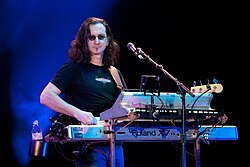
Early Years and the Debut (1968–1974)
The band's origins date back to 1968, briefly known as Hadrian in 1969. The early lineup featured various members, including Jeff Jones, Joe Perna, and Lindy Young, before stabilizing. Their self-titled debut album, Rush (1974), established their initial presence in the hard rock scene.
The Arrival of Neil Peart and Progressive Expansion (1974–1981)
A pivotal moment occurred in 1974 when drummer and lyricist Neil Peart joined the band, replacing John Rutsey. This transition sparked a foray into progressive rock—a genre characterized by complex compositions and conceptual themes. This era saw the release of landmark albums such as 2112 (1976), A Farewell to Kings (1977), and Hemispheres (1978).
The Synthesizer Era and Commercial Peak (1981–1989)
By the early 1980s, Rush shifted toward a synthesizer-oriented sound. This period produced some of their most acclaimed work, including Moving Pictures (1981) and Signals (1982). The integration of electronic textures expanded their sonic palette while maintaining their technical rigor.

Return to Roots and Later Years (1989–2015)
Starting with Presto (1989), the band returned to a more guitar-oriented sound. Despite a hiatus in the late 1990s, they made a triumphant comeback with Vapor Trails (2002) and continued to innovate with Snakes & Arrows (2007) and Clockwork Angels (2012). The band's touring career culminated in the R40 Live Tour in 2015, marking their final performances with the classic lineup.
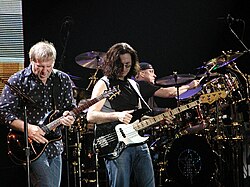
Musical Style and Instrumentation

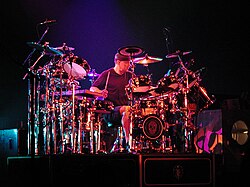
Rush is celebrated for the synergy between its members. Geddy Lee handled lead vocals, bass, and keyboards; Alex Lifeson provided electric and acoustic guitars; and Neil Peart was renowned for his intricate drumming and poetic lyrics. Over time, they incorporated advanced technology, such as the Oberheim OB-X synthesizer and Simmons Electronic Drums.

Legacy and Philanthropy
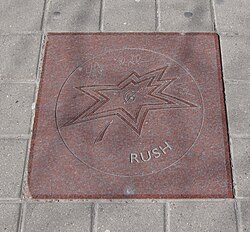
Beyond the music, Rush is recognized for its contributions to society. The band has supported the Canadian Museum for Human Rights and provided aid for Alberta flood relief. Their impact is immortalized via a star on Canada's Walk of Fame (2009) and their induction into the Rock and Roll Hall of Fame in 2013.
The New Chapter (2025–Present)
Following the passing of Neil Peart in 2020, the band remained inactive for several years. However, in 2025, Rush announced a reunion with a new lineup. While Alex Lifeson remains a cornerstone, the band has welcomed Anika Nilles on drums and percussion, with Loren Gold joining on keyboards and backing vocals for the "Fifty Something" tour (2026–2027).

Rush Career Summary
| Era | Primary Focus | Key Albums |
|---|---|---|
| 1968–1974 | Hard Rock / Debut | Rush |
| 1974–1981 | Progressive Rock | 2112, Hemispheres |
| 1981–1989 | Synthesizers | Moving Pictures, Signals |
| 1989–2015 | Guitar-oriented / Modern | Clockwork Angels, Vapor Trails |
| 2025–Present | Reunion / New Lineup | N/A (Touring) |
Frequently Asked Questions
Who were the members of the classic Rush lineup?
The classic and most famous lineup consisted of Geddy Lee (vocals, bass, keyboards), Alex Lifeson (guitar), and Neil Peart (drums, lyrics).
When did Neil Peart join the band?
Neil Peart joined Rush in 1974, replacing the original drummer John Rutsey.
What is the significance of the album 2112?
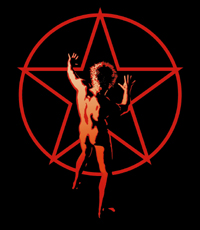
2112 (1976) marked the band's full embrace of progressive rock and featured the "starman" logo created by Hugh Syme.
Is Rush still active?
Yes. After a period of disbandment following the R40 tour and the death of Neil Peart, the band reunited in 2025 with a new lineup including Anika Nilles and Loren Gold.
What awards has the band received?
Rush has been inducted into the Rock and Roll Hall of Fame and received the Governor General's Performing Arts Award.