Rubrication: The History and Art of Red Ink in Manuscripts
In the world of ancient and medieval texts, the use of color was rarely just for decoration. One of the most significant practices was rubrication—the process of adding red ink to a manuscript to organize, emphasize, and clarify the text. Derived from the Latin word for red, rubrication served as a vital navigational tool for readers long before the invention of modern formatting.
The Purpose and Function of Rubrication
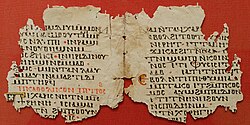
The primary role of rubrication was to mark the transition between sections. Scribes used red headings to signal the end of one passage and the beginning of another, often introducing the subject or declaring the purpose of the upcoming text. Over time, the term "rubric" became a generic word for any header, regardless of its color, though it technically refers specifically to those written in red.
In liturgical books, such as missals (books containing the texts for the celebration of the Mass), rubrication served a practical instructional purpose. Red ink was used to describe the actions to be performed by the celebrant or other participants, while the actual spoken texts remained in black. Similarly, important feasts in liturgical calendars were rubricated to highlight their significance.
Emphasis and Artistic Distinction
Rubrication was also employed to emphasize the starting character of a canto or other textual division. This was particularly useful in bound volumes containing multiple different works. This practice is closely related to flourishing, where red ink is used to create artistic loops and swirls around a leading character. While decorative, this is distinct from illumination, which involves more elaborate detailed pictures and the use of gold leaf to create a light-reflecting effect.
The Process of Creating Rubricated Texts
The production of a rubricated manuscript often involved a collaborative effort. The initial scribe would frequently leave annotations in the margins—essentially notes saying "rubricate here"—to guide the rubricator. In other instances, the scribe and the rubricator were the same person, and the red ink was applied as the text progressed.
These marginal notes are highly valuable to historians. When combined with codicology (the study of manuscripts as physical objects), these annotations help scholars establish a manuscript's provenance, or its history of ownership and origin.
Evolution from Manuscripts to Printing
As the medieval period progressed, practitioners expanded their palette to include other colors, most notably blue and green. With the advent of movable type printing, the demand for rubrication persisted. Early printed books, known as incunables (books printed before 1501), were rarely issued in a finished state. Many were rubricated by hand after printing to provide a sense of legitimacy and finality, as red ink was seen as essential for articulating the structure of the text.
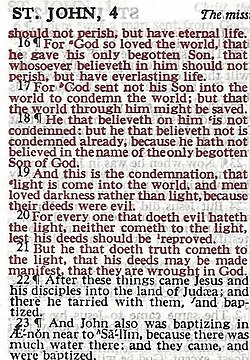
The transition to printing also left a permanent mark on modern typography. Early printers left spaces before paragraphs for rubricators to hand-draw a pilcrow (the paragraph symbol ¶). However, when publishers faced tight deadlines and rubricators could not keep up, books were sold with these spaces left blank. This gap evolved into the standard practice of paragraph indentation used today.
Ancient Origins and Global Examples
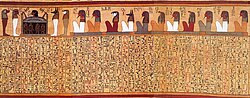
Rubrication is not limited to the medieval West. The Deir Alla Inscription, the oldest alphabetic West Semitic epigraph, utilizes red ink for emphasis. Some scholars, such as Levine, suggest that red was used in these inscriptions for "magical effect" or to indicate a different source of communication. This technique is also evident in the Book of the Dead and the Kuntillet Ajrud inscriptions.
Key Facts
- Definition: Rubrication is the addition of red ink to a text for emphasis, organization, or instruction.
- Liturgical Use: In missals, red ink distinguishes ceremonial actions from the spoken text.
- Typographic Legacy: Modern paragraph indentation originated from the blank spaces left for hand-drawn pilcrows.
- Distinction: Rubrication is simpler than illumination, which uses gold and detailed imagery.
- Ancient Use: Red ink for emphasis appears in the Deir Alla Inscription and the Book of the Dead.
| Technique | Primary Material | Main Purpose | Complexity |
|---|---|---|---|
| Rubrication | Red Ink | Organization and Navigation | Low to Medium |
| Flourishing | Colored Ink | Styling leading characters | Medium |
| Illumination | Gold leaf and Pigments | Artistic and Spiritual Enhancement | High |
Frequently Asked Questions
What is the difference between rubrication and illumination?
Rubrication specifically refers to the use of red ink for headings and emphasis to organize text. Illumination is a more complex artistic process involving detailed illustrations and the use of gold or silver leaf to create a luminous effect.
How did rubrication lead to modern paragraph indentation?
Early printed books left spaces for rubricators to manually add pilcrows (paragraph symbols). When deadlines prevented these symbols from being added, the resulting blank spaces became the precursor to the modern indented paragraph.
What are incunables?
Incunables are books printed using movable type during the earliest stages of printing, specifically those produced before the year 1501.
Why was red ink used in the Book of the Dead?
Similar to other ancient texts like the Deir Alla Inscription, red ink was used for emphasis and, according to some scholars, potentially for magical effects or to signal different types of communication.
What is the role of codicology in studying rubrication?
Codicology is the study of the physical makeup of manuscripts. By analyzing the scribe's annotations to the rubricator, codicologists can help determine the provenance and history of a specific document.