Royal New Zealand Air Force
The Royal New Zealand Air Force (RNZAF), known in Māori as Te Tauaarangi o Aotearoa, is the aerial warfare branch of the New Zealand Defence Force. Operating under the motto Per Ardua ad Astra (Through Adversity to the Stars), the RNZAF provides critical air and space capabilities to protect New Zealand's interests and support its allies.
From its early roots in military aviation in 1913 to its establishment as an independent service on April 1, 1937, the RNZAF has evolved from a combat-heavy force into a specialized organization focused on maritime patrol, transport, and humanitarian support.
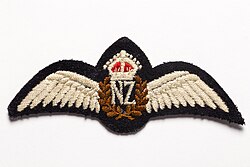
Key Facts
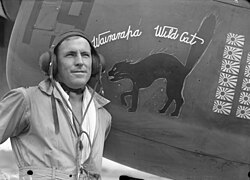
- Founded: 1913 (first military aviation); 1923 (Permanent Air Force); 1937 (Independent service).
- Current Strength: 2,518 active personnel, 463 reserve personnel, and 44 aircraft.
- Primary Roles: Maritime patrol, tactical transport, and support for the Navy and Army.
- Headquarters: Defence House, Wellington.
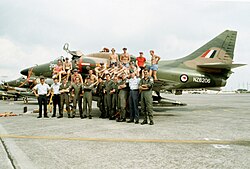
- Combat Status: Air combat capabilities ended in 2001 with the disbanding of Skyhawk and MB-339 squadrons.
Historical Evolution
World War II and the Pacific
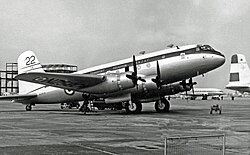
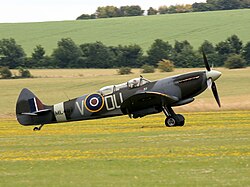
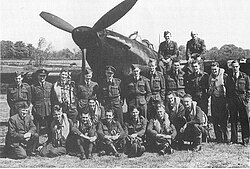
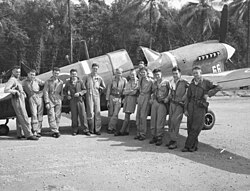
At the start of World War II, the RNZAF's primary equipment consisted of 30 Vickers Wellington bombers. In August 1939, these aircraft and their crews were offered to the United Kingdom, forming No. 75 (New Zealand) Squadron RAF. The force expanded significantly during the conflict, reaching a peak of over 1,000 combat aircraft by 1945.
Cold War and Regional Conflicts
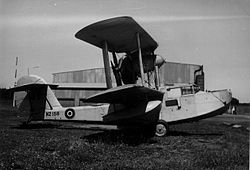
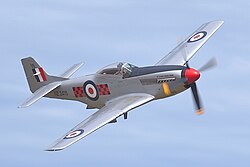
Following the war, the RNZAF participated in numerous global engagements, including the Berlin Airlift, the Malayan Emergency, the Korean War, and the Vietnam War. During the Cold War, the force modernized its fleet with the Douglas A-4 Skyhawk for light attack and the Lockheed P-3 Orion for maritime patrol.
Transition to the 21st Century
The turn of the century marked a strategic shift. In 2001, the RNZAF disbanded its air combat force, retiring the A-4 Skyhawk and Aermacchi MB-339. Since then, the force has pivoted toward humanitarian activities and specialized support roles, including missions in Somalia, Rwanda, East Timor, and Afghanistan.
Current Fleet and Capabilities
The modern RNZAF focuses on maritime patrol (detecting and tracking vessels) and tactical airlift (moving personnel and equipment). The current inventory is a mix of high-tech platforms designed for long-range surveillance and versatility.
| Role | Aircraft | Variant | Quantity |
|---|---|---|---|
| Maritime Patrol | Boeing P-8 | P-8A | 4 |
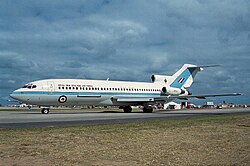
| Transport | Boeing 757 | 757-2K2 | 2 |
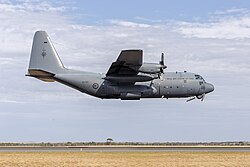
| Transport | C-130J Super Hercules | C-130J-30 | 5 |
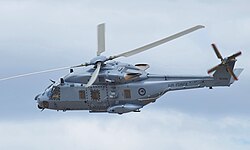
| Helicopter | NHIndustries NH90 | NH90 TTH | 8 |
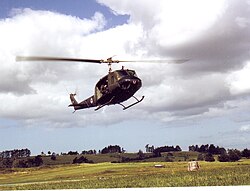
| Helicopter | SH-2G Super Seasprite | SH-2G(I) | 5 |
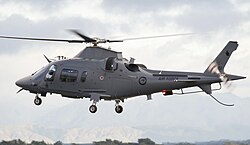
| Helicopter | AgustaWestland AW109 | A109LUH | 5 |
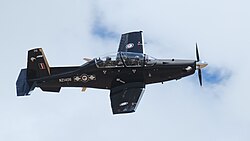
| Trainer | T-6 Texan II | T-6C | 11 |
| Trainer/Patrol | Super King Air | KA350 | 4 |
Organizational Structure and Bases
The RNZAF operates through several key commands and bases to maintain readiness and training standards.
Active Bases
- RNZAF Base Auckland: Home to No. 6 Squadron (SH-2 Super Seasprite), No. 40 Squadron (C-130J and Boeing 757), and No. 62 Squadron (Space Operations).
- RNZAF Base Ohakea: The primary operational hub, hosting No. 3 Squadron (NH90, AW109), No. 5 Squadron (P-8 Poseidon), and No. 14 Squadron (T-6 Texan II).
- RNZAF Base Woodbourne: The center for training, featuring the Command Training School and the Technical Training Squadron.
Specialized Units
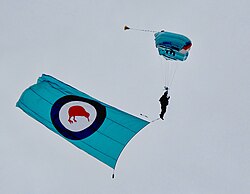
Beyond flight squadrons, the force maintains critical support units, including the Parachute Training Support Unit, the Survival Training Centre (SERE), and the Military Working Dog Training School.
Future Outlook
The RNZAF is currently undergoing a period of re-capitalization to replace aging assets. Future investments include the acquisition of MH-60R Seahawk helicopters (expected 2027) and Airbus A321XLR transport aircraft (expected 2028). These updates ensure the force remains capable of meeting the goals set out in the 2019 Defence Capability Plan.
Frequently Asked Questions
When did the RNZAF become an independent service?
The Royal New Zealand Air Force became an independent service on April 1, 1937.
Does the RNZAF still have fighter jets?
No. The RNZAF's air combat capability ended in 2001 with the disbanding of the A-4 Skyhawk and Aermacchi MB-339 squadrons.
What are the primary roles of the RNZAF today?
The force currently focuses on maritime patrol and transport duties to support the Royal New Zealand Navy and the New Zealand Army.
Which aircraft are expected to join the fleet in the future?
The RNZAF expects to introduce the MH-60R Seahawk helicopter by 2027 and the Airbus A321XLR transport aircraft by 2028.
Where is the RNZAF headquartered?
The headquarters of the Royal New Zealand Air Force is located at Defence House in Wellington.