Rose Color Variations: A Comprehensive Guide to Shades and Tones
The color rose is far more than a single hue; it is a vast spectrum of tones ranging from the palest, almost-white blushes to deep, vivid purplish-reds. Whether used in digital design, fashion, or art, these variations provide a rich palette for expressing different moods and aesthetics. By examining specific color coordinates—such as Hex triplets (a six-digit code used in HTML and CSS) and sRGB (the standard red, green, blue color model)—we can precisely define these beautiful variations.
Key Facts
- Diverse Origins: Rose shades are derived from nature (flowers, gemstones), commercial systems (Crayola, Pantone, RAL), and digital standards (X11 web colors).
- Historical Naming: Some names, like Mulberry, date back as far as 1776 in the English language.
- Technical Overlap: Certain colors, such as Thulian pink, Liseran purple, and China pink, share the exact same hex code (#DE6FA1).
- Industry Standards: Systems like the RAL color matching system are widely used across Europe for industrial consistency.
Vivid and Bold Rose Tones
Bold rose colors often lean toward magenta or crimson, offering high saturation and energy. Brilliant rose (#F653A6), formulated by Crayola in 1949, was later renamed magenta in 1958, though its original name more accurately reflects its hue. Similarly, Razzle dazzle rose (#FF33CC) was known as "hot magenta" from 1972 until it was renamed in 1990.
Other striking examples include Folly (#FF004F), a reddish-pinkish tone of unknown origin, and Razzmatazz (#E3256B). The latter is a rich crimson-rose shade named in 1993 by five-year-old Laura Bartolomei-Hill, the youngest winner of a Crayola naming contest.
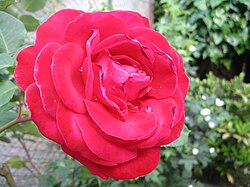
High-Saturation Specialists
- Persian rose (#FE28A2): A highly saturated color located between rose and magenta on the color sphere.
- Rose red (#C21E56): A vivid red sourced from the Pantone Textile Paper eXtended (TPX) list.
- Ruby (#E0115F): Representing the polished gemstone, this color is technically closer to rose than true red.
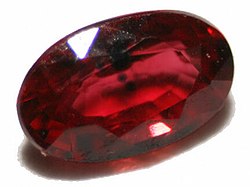
Soft and Pale Rose Variations
On the opposite end of the spectrum are the pale, airy shades. Lavender blush (#FFF0F5) and Misty rose (#FFE4E1) are both recognized web colors characterized as pinkish-white. These tones provide a subtle, calming effect often used in minimalist design.
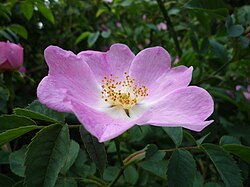
Elegant and Muted Tones
Some shades offer a sophisticated balance of saturation and lightness. Persian pink (#F77FBE), popular in women's fashion, is a light tone of rose reflecting the color's popularity in Iran. Rose gold (#C88CA4), introduced by Crayola in 2019, attempts to mimic a metallic finish, although digital screens cannot truly replicate metallic luster.
Deep and Purplish Rose Hues
Many rose variations blend into the purple family, creating "purplish-red" or "reddish-purple" descriptors. Mulberry (#C54B8C), which represents the color of mulberry jam, has been used in English since 1776 and was a Crayola staple from 1958 to 2003.
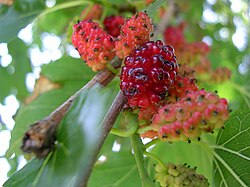
Specialized and Regional Shades
Rose bonbon (#F9429E) is a vivid purplish-red popular in France, translating to "candy rose." In the professional realm, Telemagenta (#CF3476) is part of the RAL color matching system, which has been a European standard since 1927.
The Thulian Group
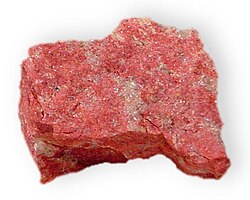
Thulian pink (#DE6FA1) refers to the land of Thule and is also known as Thulite pink or "first lady" (a term from the 1948 Plochere Color System). This specific coordinate is shared with Liseran purple and China pink.
Rose Color Summary Table
| Color Name | Hex Code | ISCC-NBS Descriptor | Source/Origin |
|---|---|---|---|
| Brilliant rose | #F653A6 | Vivid purplish red | Crayola |
| China rose | #A8516E | Moderate purplish red | ISCC-NBS |
| Fuchsia rose | #C74375 | Strong purplish red | Pantone TPX |
| Lavender blush | #FFF0F5 | Pinkish white | X11 (Web) |
| Mulberry | #C54B8C | Strong purplish red | Crayola |
| Rose gold | #C88CA4 | N/A | Crayola |
| Ruby | #E0115F | Vivid red | Maerz and Paul |
Frequently Asked Questions
What is the difference between Brilliant rose and Magenta?
While Crayola renamed Brilliant rose to magenta in 1958, the original name is considered more accurate because its hue code (329) is closer to rose than the standard web color magenta.
Which rose colors are officially recognized as web colors?
Lavender blush, Misty rose, and Raspberry rose are all recognized as web colors.
What is the significance of the RAL system for colors like Telemagenta?
The RAL system is a standardized color matching system widely used in Europe to ensure consistency in industrial applications; it originated in 1927 and reached its current form in 1961.
Are there different names for the same hex code?
Yes. For example, the hex code #DE6FA1 is used for Thulian pink, Liseran purple, and China pink.
How was the color Razzmatazz named?
Razzmatazz was named in 1993 by Laura Bartolomei-Hill, who was only five years old at the time, making her the youngest winner of Crayola's "Name the New Colors Contest."