Roots Rock: The Evolution of Americana and Traditional Rock Influence
Roots rock is a genre of rock music that consciously returns to the foundational sounds of folk, blues, and country. Emerging in the late 1960s, the movement served as a stylistic correction to the perceived excesses of psychedelic and progressive rock, which had become dominant at the time. While often used interchangeably with Americana—a broad term encompassing various folk and world musical forms—roots rock specifically describes rock music that integrates these traditional elements into its structure.
The enduring appeal of this sound is evident in the modern era. Since 2015, the Grammy Awards have recognized excellence in the American Roots Music field, honoring recordings in bluegrass, blues, and folk that utilize traditional or modern roots techniques. Notable recent winners include Jon Batiste in 2022.
Key Facts
- Origins: Emerged in the late 1960s in the United States.
- Core Influences: Rockabilly, country, blues, and folk.
- Primary Goal: A "back-to-basics" response to psychedelic and progressive rock.
- Major Subgenres: Includes blues rock, country rock, Southern rock, swamp rock, and heartland rock.
- Modern Recognition: Specifically recognized by the Grammy Awards since 2015.
The History of the Roots Revival
The shift toward a more grounded sound was spearheaded in 1966 by Bob Dylan. As many of his peers moved toward experimental psychedelia, Dylan traveled to Nashville to record Blonde on Blonde with local musicians like Charlie McCoy. This effort, followed by John Wesley Harding (1967) and Nashville Skyline (1969), helped establish country folk.
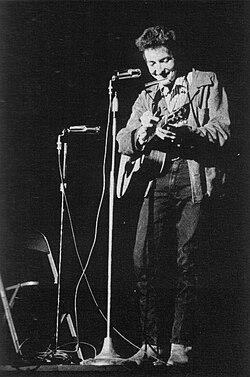
Other influential acts adopted this "back-to-basics" approach in various ways. The Band and Creedence Clearwater Revival (CCR) blended basic rock and roll with country and blues to become some of the era's most successful groups. Even the Grateful Dead, previously known for psychedelic improvisation, pivoted toward Americana-styled songwriting for their 1970 albums Workingman's Dead and American Beauty. This period also saw the rise of solo artists such as Ry Cooder, Bonnie Raitt, and Lowell George.
Major Subgenres and Stylistic Branches
Blues Rock
The blues rock movement overlapped with the rhythm and blues phase of the mid-1960s. In the UK, John Mayall and the Bluesbreakers gained international fame with the 1966 album Blues Breakers with Eric Clapton. This paved the way for bands like Cream, Fleetwood Mac, Free, and Ten Years After. In the US, the movement was represented by the Paul Butterfield Blues Band, Canned Heat, and Johnny Winter.

Country Rock
Country rock gained significant traction in California. Gram Parsons is a pivotal figure; his work with the International Submarine Band's Safe at Home is cited by some as the first true country-rock album. Parsons later joined the Byrds to record Sweetheart of the Rodeo (1968) before forming the Flying Burrito Brothers. Other key artists included Poco, the Nitty Gritty Dirt Band, and Neil Young.
The genre reached its commercial peak in the 1970s. Linda Ronstadt and Emmylou Harris became leading figures, while the Eagles—formed from members of the Burritos, Poco, and Stone Canyon Band—became one of the most successful rock acts in history with albums like Desperado and Hotel California.
Southern Rock
While the American South was the birthplace of rock and roll, a distinct regional style didn't fully emerge until the early 1970s. The Allman Brothers Band founded the genre by blending blues rock with boogie, soul, and country, characterized by Duane Allman's slide guitar.
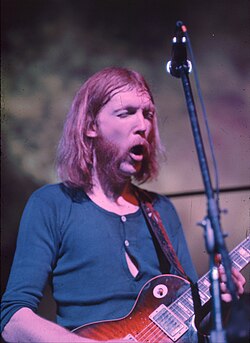
Lynyrd Skynyrd further popularized the style with hits like "Free Bird" and "Sweet Home Alabama," establishing the "Good ol' boy" image of 1970s guitar rock. Other notable acts included ZZ Top, The Marshall Tucker Band, and later, Stevie Ray Vaughan.
Swamp Rock and Heartland Rock
Swamp rock originated in the mid-1960s as a fusion of rockabilly, soul, swamp blues, and Cajun music, exemplified by artists like John Fogerty & CCR and Tony Joe White.
Heartland rock emerged in the 1970s as a socially conscious counterpart to West Coast and Southern styles. Centered in the Midwest and Rust Belt, it focused on blue-collar themes, urban decline, and isolation. Bruce Springsteen, Bob Seger, and Tom Petty led this movement, with Springsteen's Born in the USA (1984) marking a commercial peak. The influence persists today in the music of The Killers and Sam Fender.
The 1980s Revival and Beyond
The term "roots rock" was officially coined in the mid-1980s. This era saw the rise of cow punk—punk rockers playing country music—particularly in Los Angeles with bands like the Long Ryders and Lone Justice. Simultaneously, the alternative country movement emerged through artists like Steve Earle and Lucinda Williams, later evolving into bands such as Wilco and Son Volt.
By the mid-1990s, a pop-conscious resurgence occurred via the alternative charts, led by acts like Hootie & the Blowfish and the Wallflowers.
| Subgenre | Primary Influences | Key Artists | Defining Characteristic |
|---|---|---|---|
| Blues Rock | Blues, R&B | Cream, Fleetwood Mac | Purist blues forms with rock instrumentation |
| Country Rock | Country, Folk | The Byrds, The Eagles | Use of pedal steel guitar and country harmonies |
| Southern Rock | Blues, Boogie, Soul | Allman Brothers Band, Lynyrd Skynyrd | Regional Southern identity and slide guitar |
| Heartland Rock | Folk, Rock and Roll | Bruce Springsteen, Tom Petty | Blue-collar themes and social commentary |
| Swamp Rock | Rockabilly, Cajun, Funk | CCR, Tony Joe White | Fusion of bayou sounds and soul |
Frequently Asked Questions
What exactly is roots rock?
Roots rock is a genre of rock music that incorporates elements of traditional American music, specifically folk, blues, and country, as a reaction against the complexity of psychedelic and progressive rock.
How does roots rock differ from Americana?
While the terms are often used interchangeably, Americana is a broader category that includes various folk and world musical forms, whereas roots rock specifically refers to the application of those roots within a rock music framework.
Who are the most influential artists in the genre?
Bob Dylan is credited with spearheading the back-to-basics movement. Other pivotal artists include The Eagles for country rock, the Allman Brothers Band for Southern rock, and Bruce Springsteen for heartland rock.
What is cow punk?
Cow punk is a subgenre of roots rock that emerged in the 1980s, characterized by punk rock musicians playing country music, with a significant scene centered in Los Angeles.
Is roots rock still recognized today?
Yes, it remains influential. The Grammy Awards have a dedicated category for American Roots Music since 2015, and modern artists like The Killers and Sam Fender continue to integrate heartland rock elements into their music.