Heartland Rock: The Sound of the American Working Class
Heartland rock is a genre of rock music defined by its straightforward, roots-oriented musical style and a deep commitment to the social and communal experiences of the working class. More than just entertainment, the genre serves as a sonic chronicle of blue-collar life, blending raw energy with storytelling that resonates with the struggles and triumphs of everyday people.
Emerging from the Midwestern and Southern United States in the late 1970s, heartland rock found its spiritual home in the Rust Belt and the Jersey Shore. It is characterized by a belief that music should possess a social purpose, often focusing on the themes of alienation, disillusionment, and the resilience of the human spirit in the face of economic hardship.
Key Facts
- Core Themes: Focuses on blue-collar workers, unemployment, small-town decline, and bitter nostalgia.
- Musical Roots: Influenced by rock and roll, rhythm and blues, folk, country, and 1960s garage rock.
- Peak Era: Reached its commercial zenith in the 1980s, becoming one of the best-selling genres in the U.S.
- Key Figures: Exemplified by artists like Bruce Springsteen, Bob Seger, Tom Petty, and John Mellencamp.
- Regional Ties: Strongly associated with the American Midwest and the Rust Belt.
Stylistic Characteristics
While the term "heartland rock" wasn't widely used to describe a specific genre until the 1980s, its sonic identity is distinct. The music typically employs a basic rhythm and blues lineup consisting of drums, keyboards, and occasionally a horn section, such as a saxophone. To enhance the sense of authenticity, vocal deliveries are often raspy and unpolished.
However, the genre is not monolithic. For example, Bruce Springsteen's Born in the U.S.A. integrated heavy use of synthesizers on hit tracks like "Dancing in the Dark" and "Glory Days," proving the genre could evolve beyond simple roots arrangements.
Lyrically, heartland rock relies heavily on storytelling. Verses often detail the hardships of individuals, while the choruses shift toward an anthemic tone. This contrast mirrors the romanticization of "urban backstreets and rooftops" while simultaneously addressing the despair of limited opportunity.
The Evolution of the Genre
Origins and the Rise of the Icons
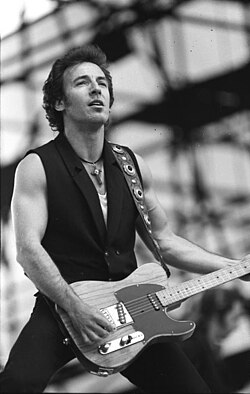
The foundations of the genre were laid in the 1960s and 70s. Bob Seger began his career in the 60s, while Bruce Springsteen and Tom Petty emerged in the 70s. Springsteen's 1975 album Born to Run was a pivotal moment, blending 1950s rock and roll with the "Wall of Sound" production style to tell stories of betrayal and escape along the New Jersey shoreline.
Following a period of legal disputes, Springsteen returned with Darkness on the Edge of Town (1978) and The River (1980). The latter, with its themes of personal and economic dissolution, is credited with helping the heartland rock movement gain momentum, a trend further solidified by the stripped-down sound of Nebraska (1982).
Commercial Peak and Expansion
The 1980s marked the commercial height of the genre, spearheaded by the massive success of Born in the U.S.A. (1984). This era saw the rise of a "second generation" of artists, including John Mellencamp, Bruce Hornsby and the Range, and the BoDeans. The genre also expanded to include roots and country artists such as Steve Earle and Joe Ely.
The genre also broke gender barriers in the late 80s. Melissa Etheridge became the first significant female figure in heartland rock, with her 1988 debut album drawing critical comparisons to the raw styles of Springsteen and Mellencamp.

Fragmentation and Legacy
By the 1990s, the genre began to fragment. Many artists transitioned into Americana—a contemporary blend of American roots music—causing heartland rock to dwindle to a few core artists. Despite this, the influence of the genre persists.
Modern artists like Kid Rock have extended the tradition; his hit "All Summer Long" was directly inspired by Bob Seger's "Night Moves." Additionally, indie rock bands such as The Killers and The War on Drugs, as well as British artists like Dire Straits and Sam Fender, have adopted heartland rock sensibilities.
The genre even influenced punk rock, leading to the emergence of "heartland punk." This style is seen in bands like Social Distortion, The Gaslight Anthem, and The Replacements, who blend punk energy with heartland storytelling.
Heartland Rock Summary
| Feature | Description |
|---|---|
| Primary Influence | Country, Folk, R&B, and 60s Garage Rock |
| Key Themes | Working-class struggle, alienation, and small-town life |
| Geographic Focus | US Midwest, Rust Belt, and Jersey Shore |
| Instrumentation | Drums, keyboards, guitars, and occasional saxophones |
| Notable Artists | Springsteen, Seger, Petty, Mellencamp, Etheridge |
Frequently Asked Questions
What defines heartland rock musically?
Musically, it is a straightforward roots-rock style often utilizing a rhythm and blues lineup of drums and keyboards. It is characterized by anthemic choruses and raspy, unpolished vocals that convey authenticity.
Which regions of the US are most associated with this genre?
The genre is most strongly linked to the working-class regions of the Midwestern United States and the Rust Belt, as well as the Jersey Shore sound.
Who were the most influential artists in heartland rock?
The most prominent figures include Bruce Springsteen, Bob Seger, Tom Petty, and John Mellencamp, along with country-influenced artists like Steve Earle.
How did heartland rock evolve in the 1990s?
In the 1990s, the genre fragmented, with many of its practitioners moving toward the emerging Americana genre, though the major figures continued to achieve commercial success.
What is "heartland punk"?
Heartland punk is a derivative sound influenced by heartland rock's storytelling and themes, adopted by punk bands such as Social Distortion and The Gaslight Anthem.