Romanization: The Cultural Integration of the Roman Empire
Romanization, also referred to as Latinization, describes the complex historical processes of acculturation, integration, and assimilation through which the Roman Republic and later the Roman Empire incorporated peripheral populations into their cultural sphere. While early historiography often simplified this as the "civilizing of barbarians," modern scholars view it as a nuanced interaction between the conquerors and the conquered.
This process was not uniform; it varied significantly across different provinces and social strata. In many cases, it was a strategic choice by local elites to secure their prestige and power by aligning themselves with the Roman administration.
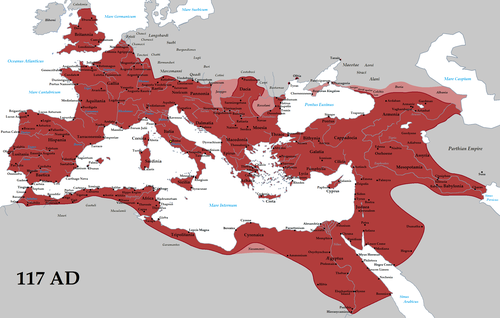
Key Facts
- Top-Down Diffusion: Roman culture was typically adopted first by the upper classes, while rural peasants retained native customs longer.
- Role of Colonies: Hundreds of coloniae (colonies) served as showcases of Roman life, promoting Latin and Roman law.
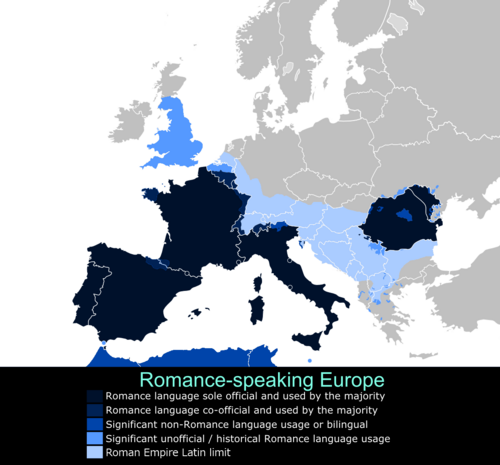
- Language Shift: Latin became the language of bureaucracy and trade, eventually evolving into the Romance languages.
- Regional Variance: Romanization was most profound in the West (Gaul, Iberia) and more superficial in the Hellenized East.
- Elite Integration: The practice of taking elite children as hostages to be educated in Rome accelerated cultural assimilation.
The Mechanics of Cultural Shift
The Role of Coloniae and Veterans
A primary engine of Romanization was the establishment of coloniae. These were towns settled largely by retired veteran soldiers from the Italian peninsula. Approximately 400 such towns existed, acting as cultural hubs where the native population could observe the expected Roman way of life. Promotion to the status of Colonia civium Romanorum granted full citizenship to its residents and required the dedication of a temple to the Capitoline triad: Jupiter, Juno, and Minerva.
The scale of this migration was immense. Augustus alone settled 120,000 soldiers in twenty Italian colonies in 31 BCE, followed by 100,000 in Spain and southern Gaul by 14 BCE, and another 96,000 by 2 BCE. This influx of citizens ensured that Roman customs and the Latin language were firmly embedded in the provinces.
Language and Literacy
The spread of Latin was facilitated by the fact that many native cultures, such as the Gauls and Iberians, were primarily oral. To engage with the Roman market or bureaucracy, literacy in Latin became a necessity. However, this did not always mean the extinction of native tongues. Languages like Basque, Berber, and the ancestors of Welsh and Albanian survived. In Gaul, the Gaulish language persisted into the 6th century, as evidenced by the writings of Gregory of Tours, though it eventually merged with Vulgar Latin to shape the French language.
Theoretical Models of Romanization
Modern archaeologists and historians debate how exactly Romanization occurred, moving away from the traditional view that it was a simple imposition of culture. Several models now explain the process:
- Non-interventionist Model: Native elites voluntarily adopted Roman dress, language, and housing to increase their social standing and power.
- Discrepant Identity: This model argues there was no uniform "Roman" identity; instead, economic and religious differences created a fragmented experience across provinces.
- Acculturation: A blending of cultures where Rome adopted non-Classical practices, such as incorporating the deities Isis and Epona into the Roman pantheon.
- Creolization: A process of negotiation between non-egalitarian societies, resulting in an ambiguous material culture that was neither fully Roman nor fully native.
The Legacy of the Roman World
The enduring impact of Romanization is most visible in the "Latin countries" of Europe and Latin America. The adoption of Roman law, public baths, the imperial cult, and gladiator fights created a shared Mediterranean identity. In the western empire, where native civilizations were less centralized, the influence was profound. In contrast, the Hellenized East (Egypt, Syria, Anatolia) resisted deep Romanization, maintaining Greek as the lingua franca.
Over time, various factors led to "de-Romanization" in certain regions: the Arab conquests re-Semiticized the Levant and Mesopotamia, Slavic migrations altered the Balkans, and Anglo-Saxon settlements led to the anglicization of Britain.
| Region | Level of Romanization | Primary Outcome |
|---|---|---|
| Italy, Iberia, Gaul | High | Development of Romance languages (Spanish, French, Italian) |
| Britain | Moderate | Significant but less than Gaul; later anglicized |
| Eastern Empire | Low/Superficial | Greek culture remained dominant |
| Levant/Mesopotamia | Moderate | Later reversed by Arab conquests |
Frequently Asked Questions
Did Romanization erase all native cultures?
No. While extensive acculturation occurred, many native elements survived. Some languages persisted for centuries, and in many regions, native and Roman religious practices merged rather than one replacing the other.
How did the Roman government encourage Romanization?
The government used several strategies, including the establishment of veteran colonies (coloniae), granting citizenship for bravery (Lex Calpurnia), and educating the children of foreign elites in Rome.
What is the difference between Romanization and Latinization?
While often used interchangeably, Romanization generally refers to the broader adoption of Roman culture, law, and social structures, whereas Latinization specifically emphasizes the spread of the Latin language and script.
Why was Romanization less effective in the East?
The eastern provinces already possessed highly sophisticated, ancient civilizations (such as those in Egypt and Anatolia) and a strong existing Greek cultural infrastructure, which acted as a buffer against total Roman cultural absorption.