Rohingya People: History, Culture, and the Global Refugee Crisis
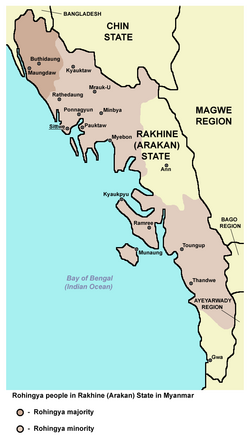
The Rohingya are a predominantly Muslim ethnic group primarily originating from Rakhine State (formerly Arakan) in western Myanmar. For decades, they have faced systemic persecution, leading to one of the most severe humanitarian crises of the 21st century. Today, the Rohingya exist as a global diaspora, with millions displaced across South and Southeast Asia.
Key Facts
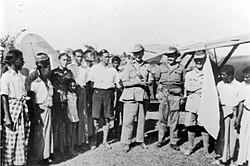
- Total Population: Estimated between 1.5 million and over 2 million people.
- Primary Homeland: Rakhine State, Myanmar.
- Major Diaspora Hubs: Bangladesh, Pakistan, Saudi Arabia, and Malaysia.
- Language: Rohingya.
- Religion: Predominantly Islam, with minority Hindu and Christian populations.
- Legal Status: Many are stateless due to the 1982 Citizenship Law in Myanmar.
Historical Foundations of the Rohingya
The history of the Rohingya is deeply tied to the region of Arakan. Early records indicate a multiethnic society where various Indo-Aryan peoples and Bengalis converged. The arrival of Islam in the region further shaped the cultural landscape, eventually leading to the establishment of the Kingdom of Mrauk U, a powerful center of trade and culture.
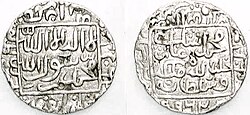
During the Kingdom of Mrauk U, the region was home to a diverse population, including renowned figures such as the poet Alaol. However, the geopolitical stability of the region shifted following the Burmese conquest and the subsequent era of British colonial rule.
Colonial Era and World War II
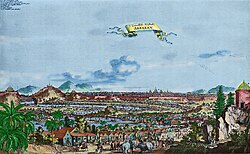
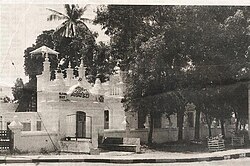
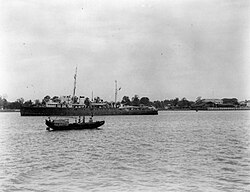
Under British administration, the movement of people between Bengal and Arakan increased. This period saw the growth of shipping and trade in ports like Akyab. During World War II, the region became a strategic point of conflict, and the subsequent Pakistan Movement influenced the political leanings of the Muslim population in the area.
The Path to Statelessness
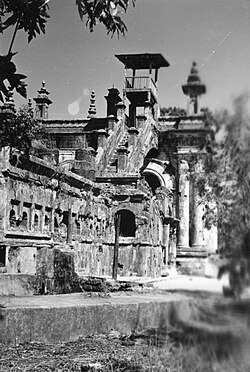
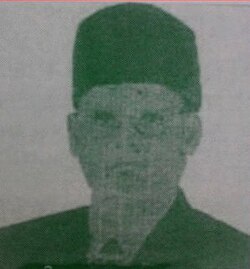
Following Burmese independence, the Rohingya initially participated in the political life of the new nation. Figures like M. A. Gaffar, a member of Burma's constituent assembly in 1948, advocated for the recognition of the Rohingya people.
However, the political climate shifted dramatically. The 1982 Citizenship Law was a turning point, effectively stripping the Rohingya of their citizenship and rendering them stateless. This legal erasure paved the way for decades of systemic discrimination and restricted movement.
Escalation of Conflict
The situation deteriorated further with a series of refugee crises in 1978 and again between 1991 and 1992. The Burmese government eventually changed the name of Arakan to Rakhine State and began denying the very existence of the term "Rohingya," often insisting the population be referred to as "Bengalis" to imply they were illegal immigrants.
Modern Humanitarian Crisis and Genocide
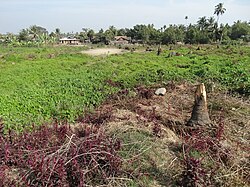
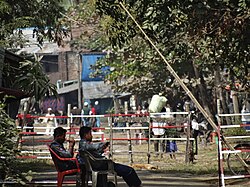
The 21st century has seen an escalation of violence. The 2012 Rakhine State riots led to widespread displacement and the destruction of Rohingya neighborhoods, such as Narzi in Sittwe.
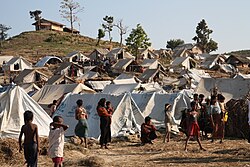
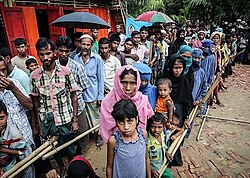
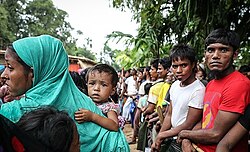
The crisis reached a peak in 2017 following attacks by insurgent groups, which triggered a massive military crackdown. This campaign, described by UN officials as a textbook example of ethnic cleansing and by others as genocide, forced hundreds of thousands of people to flee into Bangladesh.
Life in Exile
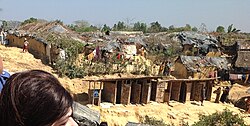
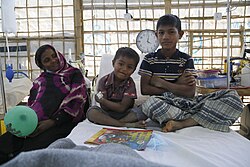
Most refugees now reside in Cox's Bazar, Bangladesh, specifically in the Kutupalong refugee camp, one of the largest in the world. While some have been relocated to the island of Bhasan Char to ease congestion, the population continues to face severe health challenges, including outbreaks of diphtheria.
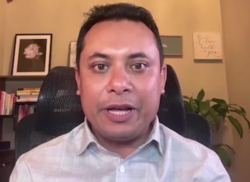
Since the 2021 coup d'état in Myanmar, the situation remains precarious. While the National Unity Government (NUG) has made statements regarding Rohingya rights, the population in Myanmar continues to face threats, including forced conscription into the military.
Culture and Identity
Despite the persecution, the Rohingya maintain a distinct cultural identity. Their language, Rohingya, is a key pillar of their heritage, and the community has developed modern tools like virtual on-screen keyboards to preserve their written word.

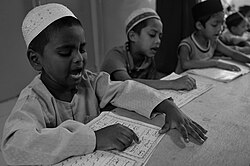
Their culture is characterized by a blend of Islamic traditions and local customs, including unique culinary staples like Bolá Fiçá (a rice noodle snack). Education often continues in madrasas, even within refugee camps in countries like Malaysia.
Demographic Distribution
| Region | Estimated Population | Data Date |
|---|---|---|
| Bangladesh | 1,500,000+ | March 2025 |
| Pakistan | 500,000 | September 2017 |
| Saudi Arabia | 350,000 | 2019 |
| Myanmar (Rakhine State) | 300,000 | May 2025 |
| Malaysia | 193,824 | February 2026 |
| India | 40,000 (disputed) | May 2025 |
Frequently Asked Questions
Who are the Rohingya?
The Rohingya are a predominantly Muslim ethnic group from Rakhine State, Myanmar, who share linguistic and cultural ties with other Indo-Aryan peoples of the region.
Why are the Rohingya considered stateless?
The 1982 Citizenship Law in Myanmar stripped them of their citizenship, meaning they are not recognized as citizens of Myanmar nor any other country.
Where do most Rohingya refugees live today?
The largest concentration of Rohingya refugees is in Bangladesh, particularly in the Kutupalong camp in Cox's Bazar.
What is the significance of the term "Bengali" in this context?
The Myanmar government often uses the term "Bengali" to describe the Rohingya to suggest they are immigrants from Bangladesh rather than an indigenous ethnic group of Myanmar.
What is Bhasan Char?
Bhasan Char is an island in the Bay of Bengal where the Bangladesh government has relocated some Rohingya refugees from the overcrowded camps in Cox's Bazar.