Bangladesh: A Comprehensive Profile of History, Geography, and Culture
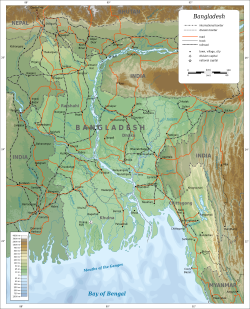
The People's Republic of Bangladesh is a vibrant nation in South Asia, defined by its lush landscapes, rich linguistic heritage, and a resilient spirit. From the bustling streets of its capital, Dhaka, to the serene depths of the world's largest mangrove forest, Bangladesh is a land of immense diversity and rapid development.
With a population estimated to reach over 175 million by 2026, it is one of the most densely populated countries on Earth. Its identity is deeply rooted in the Bengali language and a complex history of struggle and triumph, culminating in its independence in 1971.
Key Facts
- Capital: Dhaka (the largest city)
- Official Language: Bengali
- Government: Unitary parliamentary republic
- Currency: Taka (৳)
- National Animal: Bengal tiger
- Major Religion: Islam (91.04%)
- Independence: Achieved from Pakistan on December 16, 1971
Historical Evolution
Early and Medieval Periods
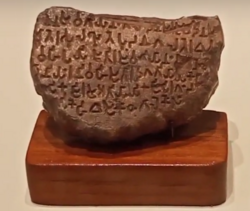
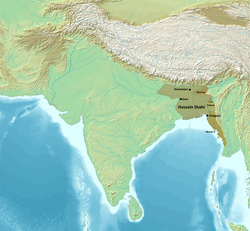
Bangladesh's history stretches back millennia. Early evidence of civilization is found in the Mahasthan Brahmi Inscription from the 3rd century BCE, discovered in the Bogra District. The region later flourished under various dynasties, including the Hussain Shahi dynasty, which marked a significant era of medieval growth.
Colonial Rule and the Path to Independence
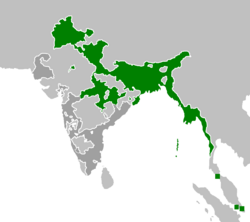
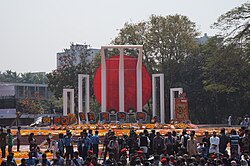
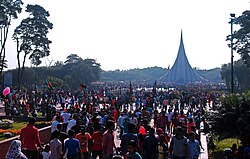
The region was later integrated into the British Empire as part of the Bengal Presidency. Following the end of British rule, it became East Bengal (1947) and later East Pakistan (1956). However, linguistic and political tensions led to a proclamation of independence on March 26, 1971. After a grueling Liberation War, victory was achieved on December 16, 1971, leading to the establishment of the current constitution in 1972.
Geography and Environment
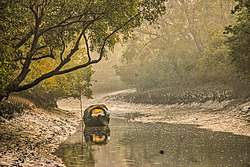
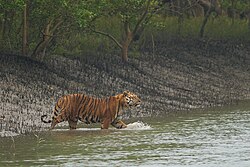
Bangladesh is characterized by its riverine landscape, covering a total area of 148,460 km². The country is a deltaic plain, making it highly fertile but also susceptible to environmental challenges. The Sundarbans, the largest mangrove forest in the world, provides a critical habitat for the national animal, the Bengal tiger.
Climate and Environmental Challenges
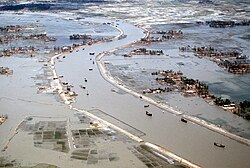
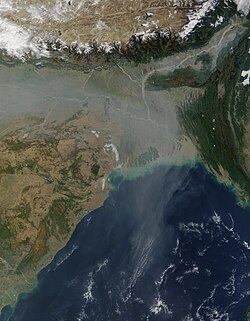
The nation faces significant threats from climate change, including rising sea levels and severe weather events. The 1991 cyclone, for example, resulted in approximately 140,000 deaths. Additionally, urban centers like Dhaka struggle with high levels of pollution.
Government and Administration
Bangladesh operates as a unitary parliamentary republic. The legislative body is known as the Jatiya Sangsad. The country is divided into eight administrative divisions to manage its dense population and resources.
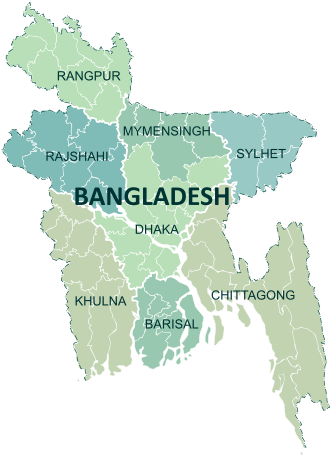
| Division | Capital | Area (km²) | Population | Density (per km²) |
|---|---|---|---|---|
| Barisal | Barisal | 13,225 | 9,713,000 | 734 |
| Chittagong | Chittagong | 33,909 | 34,747,000 | 1,025 |
| Dhaka | Dhaka | 20,594 | 42,607,000 | 2,069 |
| Khulna | Khulna | 22,284 | 18,217,000 | 817 |
| Mymensingh | Mymensingh | 10,584 | 13,457,000 | 1,271 |
| Rajshahi | Rajshahi | 18,153 | 21,607,000 | 1,190 |
| Rangpur | Rangpur | 16,185 | 18,868,000 | 1,166 |
| Sylhet | Sylhet | 12,635 | 12,463,000 | 986 |
Economy and Demographics
Bangladesh has shown significant economic growth, with a nominal GDP estimated at $510.705 billion by 2026. The nation is a global leader in freshwater fish production and rice production. Its workforce is diverse, and the country has made strides in reducing child mortality and increasing life expectancy.
The population is overwhelmingly Bengali (99%), with various ethnic minority groups including the Chakmas, Garos, and Santals. Religiously, the majority are Muslim (91.04%), followed by Hindus (7.94%), Buddhists (0.60%), and Christians (0.30%).
Culture and Society
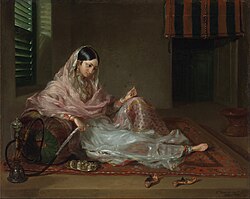
Bengali culture is rich in literature, music, and arts. The nation is famous for its fine muslin fabric, which was highly prized in the 18th century. Cuisine is heavily based on fish and rice, with Rohu curry being a staple dish. Pitha (traditional cakes) are particularly popular during the winter.
Sports and Recreation
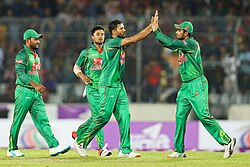
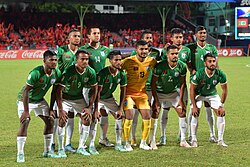
Cricket and football are the most popular sports in the country, with national teams competing on the international stage.
Frequently Asked Questions
When did Bangladesh gain independence?
Bangladesh achieved victory in the Liberation War on December 16, 1971, after proclaiming independence from Pakistan on March 26, 1971.
What is the significance of the Sundarbans?
The Sundarbans is the largest mangrove forest in the world and serves as the primary habitat for the Bengal tiger, the national animal of Bangladesh.
What are the primary religions in Bangladesh?
The majority of the population practices Islam (91.04%), followed by Hinduism (7.94%), Buddhism (0.60%), and Christianity (0.30%).
Which city is the largest in Bangladesh?
Dhaka is both the capital and the largest city, with a population exceeding 10 million people.
What is the official language of the country?
The official and national language is Bengali, though English is also commonly used.