Rohingya Genocide: The Crisis in Myanmar's Rakhine State
The Rohingya genocide refers to a systematic campaign of violence, persecution, and ethnic cleansing directed at the Rohingya, a Muslim minority group in Myanmar. Centered primarily in Rakhine State, this crisis has evolved from localized persecution into a full-scale humanitarian disaster, resulting in thousands of deaths and the displacement of over a million people.
The violence is characterized by a combination of mass murder, genocidal rape, and the deliberate destruction of entire communities. Driven by anti-Rohingya sentiment and Islamophobia, the campaign has been carried out by the Myanmar state and its military, known as the Tatmadaw, alongside other assailants such as the Arakan Army and the 969 Movement.
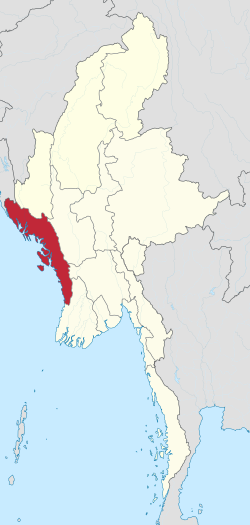
Key Facts
- Primary Location: Rakhine State, Myanmar.
- Estimated Deaths: Approximately 24,000 people.
- Displacement: Over 1.5 million Rohingya have fled abroad, primarily to Bangladesh.
- Perpetrators: The Myanmar state, specifically the Tatmadaw military.
- Nature of Attacks: Genocide, ethnic cleansing, religious cleansing, and systematic sexual violence.
- Legal Status: Subject to international litigation, including cases at the World Court.
Timeline of Persecution
The 2016 Crackdown
The escalation began in earnest between October 2016 and January 2017. This period was marked by initial border incidents that triggered a severe military crackdown. During this phase, the dissemination of hate material increased, fueling violence and forcing thousands of Rohingya to flee their homes in search of safety.
The 2017 Genocide and Beyond
The crisis reached a peak starting on August 25, 2017. The Tatmadaw launched "clearance operations" that involved massacres, the looting and burning of villages, and widespread gang rape. These acts were not random; evidence suggests a systematic attempt to erase the Rohingya presence from Rakhine State.
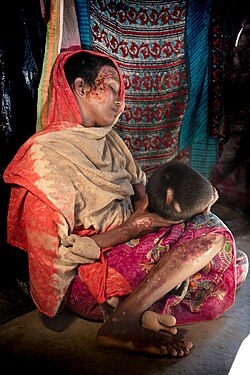
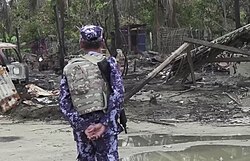
To hide the scale of the atrocities, security forces engaged in the destruction of evidence, including the bulldozing of razed villages. Journalists faced severe censorship and harassment to prevent the world from witnessing the scale of the crimes.
Recent Developments (2024–Present)
The persecution has entered new phases, including the arbitrary detention of Rohingya men aged 15 to 40. Furthermore, there have been reports of forced conscription of the Rohingya into the very military that perpetrated the genocide.
The Humanitarian Impact
The Refugee Crisis
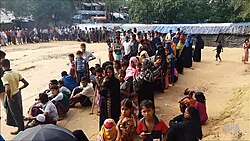
The violence triggered a massive exodus, with over 1.5 million people crossing the border into Bangladesh. This created one of the largest refugee settlements in the world, most notably the Kutupalong refugee camp.
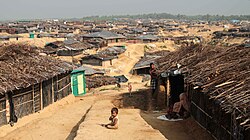
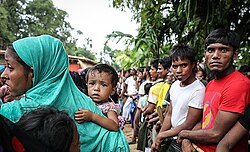
Refugees continue to face precarious conditions, with some attempting dangerous boat journeys to Malaysia or facing relocation to remote islands in Bangladesh to prevent "intermingling" with local populations.
Systemic Violence
The campaign utilized genocidal rape as a weapon of war. Tens of thousands of women were subjected to sexual violence, intended to terrorize the population and destroy the social fabric of the community.
International and Legal Responses
Global Reactions
The international community has responded with varying degrees of urgency. While the UN and various NGOs have condemned the "scorched-earth campaign," some nations, including China and Russia, have opposed certain UN resolutions regarding the crisis.
Legal Accountability
The Rohingya genocide has led to significant international litigation. The Gambia filed a case against Myanmar at the International Court of Justice (ICJ), and the International Criminal Court (ICC) has approved probes into alleged crimes. Additionally, universal jurisdiction investigations have led to warrants for Myanmar officials in countries like Argentina.
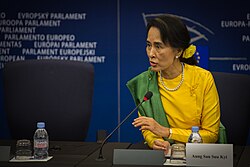
Aung San Suu Kyi, the former State Counsellor and leader of Myanmar, has been named in lawsuits and has contested the genocide case at the World Court.
The Role of Social Media
UN investigators and human rights organizations have highlighted the role of Facebook (Meta) in the crisis. Reports indicate that the platform's systems were used to promote hate speech and incite violence against the Rohingya, leading to calls for reparations.
Summary of the Rohingya Crisis
| Category | Details |
|---|---|
| Target Population | Rohingya and other Muslim minorities |
| Primary Perpetrator | Tatmadaw (Myanmar Military) |
| Key Atrocities | Mass murder, gang rape, village burning |
| Death Toll | Approx. 24,000 |
| Refugee Destination | Primarily Bangladesh |
| Legal Actions | ICJ (The Gambia v. Myanmar), ICC probes |
Frequently Asked Questions
What is the Tatmadaw?
The Tatmadaw is the official armed forces of Myanmar, which has been identified as the primary perpetrator of the genocide and ethnic cleansing against the Rohingya.
Why did the genocide occur?
The violence was driven by deep-seated anti-Rohingya sentiment and Islamophobia, aimed at removing the Muslim minority from Rakhine State.
Where are most Rohingya refugees currently located?
The majority of the 1.5 million+ refugees are located in Bangladesh, specifically in large settlements like the Kutupalong refugee camp.
What is the current legal status of the genocide case?
Myanmar is facing a genocide case at the International Court of Justice (ICJ) brought by The Gambia, and is under investigation by the International Criminal Court (ICC).
How did social media contribute to the violence?
Investigations by the UN and Amnesty International suggest that Facebook's algorithms and lack of content management allowed hate speech to spread, which fueled real-world violence against the Rohingya.