Rock Music in Ireland: A Journey Through Decades of Sound
Rock music in Ireland, often referred to as Irish rock, has evolved from a niche interest into a global powerhouse. Since the 1960s, the island has transitioned from the polished entertainment of dancehalls to the raw energy of punk and the stadium-filling anthems of the modern era. This evolution was sparked by the British Invasion, which introduced psychedelic rock and British blues to Irish shores, forever altering the local musical landscape.
Key Facts
- The Showband Era: Dominant in the 1960s and 70s, these professional groups played American and British hits in dancehalls.
- Celtic Rock: Pioneered by Horslips, this genre fused hard rock with traditional Irish music.
- Global Icons: U2 is recognized by Rolling Stone as one of the biggest bands in the world.
- Genre Diversity: Ireland has produced significant contributions to blues rock, punk, shoegazing, and alternative metal.
- Major Events: The Slane Concert and festivals like Oxegen and Electric Picnic are pillars of the Irish live music scene.
The 1960s: From Showbands to Solo Stars
During the 1960s, the Showbands—professional performers who played popular hits at clubs and dancehalls—were the primary way for musicians to earn a living. While these bands provided the foundation, several artists broke away to define the Irish rock identity. Van Morrison, influenced by jazz musician George Cassidy, found international success with the beat group Them before his solo career. Similarly, Rory Gallagher, often cited as one of the greatest rock guitarists of all time, gained acclaim with the blues rock trio Taste.
Other notable acts included The Strangers from Balbriggan, whose self-titled record reached #6 in the Irish charts, and the Belfast-based Eire Apparent. The latter is particularly remembered for their only album, which was produced by and featured the legendary Jimi Hendrix.
The 1970s: Innovation and the Rise of Celtic Rock
The 1970s marked a period of growth and experimentation. Phil Lynott led the hard-rocking Thin Lizzy to international prominence, while Horslips created Celtic rock by blending hard rock with traditional Irish elements. Unlike many of their peers, Horslips chose to remain based in Ireland rather than moving abroad to find success.
This decade also saw the birth of U2 in 1976, a band that would eventually dominate the global music scene. On the commercial pop front, Waterford's Gilbert O'Sullivan achieved massive success with hits like "Alone Again (Naturally)" and "Clair." By the mid-70s, a roots revival led to the rise of folk rock fusion groups such as Planxty and Moving Hearts, alongside singer-songwriters Paul Brady and Christy Moore.
As the decade closed, the punk rock movement took hold. Bands like Stiff Little Fingers and The Undertones from Northern Ireland, and Dublin's Boomtown Rats and The Radiators from Space, brought a new, aggressive energy to the scene.
The 1980s: Global Stardom and Genre Fusion
The 1980s were defined by the meteoric rise of U2. Following the 1980 release of Boy and the landmark 1987 album The Joshua Tree, the band—consisting of Bono, The Edge, Adam Clayton, and Larry Mullen Jr.—became global superstars while maintaining their base in Dublin. Bono, in particular, became known for his social conscience and international activism.
The decade also saw the emergence of The Pogues, who blended traditional Irish music with a punk rock attitude, a style that gained significant popularity in the United States. Other influential artists included Sinéad O'Connor, the heavy metal group Mama's Boys, and the innovative pop-rock/traditional fusion of Clannad from County Donegal.
In the local scene, Aslan emerged from North Dublin to become one of the country's biggest-selling acts. Meanwhile, the Slane Concert began in 1981 at Slane Castle in County Meath, establishing a tradition of massive outdoor performances.
The 1990s: Shoegazing and Alternative Rock
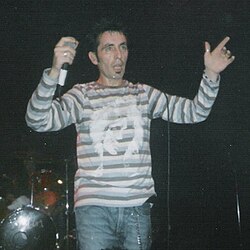
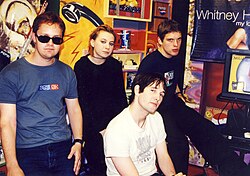
The transition into the 1990s brought new sonic textures. Dublin's My Bloody Valentine pioneered Shoegazing, a style characterized by ethereal sounds and heavy effects. The decade saw a surge of diverse talent, including The Cranberries from Limerick, the alternative metal band Therapy? from County Antrim, and the alternative rock group Ash from Downpatrick.
The 1990s also featured the folk rock sounds of The Corrs and the indie influence of The Frames and Blink. Between 1990 and 1997, the Féile Festival served as a major annual gathering for rock fans, rotating between venues in Thurles, Cork, and Dublin.
The 2000s and Beyond: Modern Eras and Festivals
The 2000s produced a wave of internationally acclaimed singer-songwriters, including Damien Rice, Paddy Casey, and Gemma Hayes. Bands like Snow Patrol, The Script, and Two Door Cinema Club achieved significant global success. This era also saw the rise of numerous other groups such as The Coronas, The Blizzards, and The Answer.
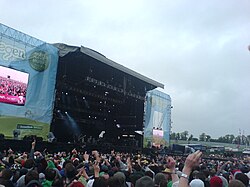
The live music experience expanded with the launch of major festivals including Electric Picnic, Indiependence, Belsonic, and Oxegen.
Entering the 2010s, a new generation of unsigned and emerging talent appeared from both sides of the border, including Hozier, Fontaines D.C., and Girl Band, continuing the legacy of Irish musical innovation.
Summary of Irish Rock Eras
| Era | Key Characteristics | Notable Artists |
|---|---|---|
| 1960s | Showbands, British Invasion influence, Blues Rock | Van Morrison, Rory Gallagher, The Strangers |
| 1970s | Celtic Rock, Hard Rock, Early Punk | Thin Lizzy, Horslips, Stiff Little Fingers |
| 1980s | Global Stadium Rock, Punk-Traditional Fusion | U2, The Pogues, Aslan, Sinéad O'Connor |
| 1990s | Shoegazing, Alternative Metal, Indie Rock | The Cranberries, My Bloody Valentine, Ash |
| 2000s+ | Singer-Songwriters, Modern Indie, Festival Culture | Damien Rice, Snow Patrol, Hozier, Fontaines D.C. |
Frequently Asked Questions
What were the Irish Showbands?
Showbands were professional musical groups popular in the 1960s and 70s that performed American and British hits at dancehalls and clubs across Ireland, providing a professional "show" for audiences.
What is Celtic rock?
Celtic rock is a genre that mixes hard rock with traditional Irish music, a style pioneered by the band Horslips in the 1970s.
Which Irish band is considered the most successful globally?
U2 is widely regarded as the most successful, with Rolling Stone describing them as "the biggest band in the world."
What is "Shoegazing" in the context of Irish music?
Shoegazing is a style of rock characterized by a wall of sound and heavy use of effects pedals, pioneered in the late 80s and early 90s by the Dublin-based group My Bloody Valentine.
What are some of the most famous rock festivals in Ireland?
Prominent festivals that began in the 2000s include Oxegen, Electric Picnic, Indiependence, and Belsonic.