Understanding Ricinus communis: The Fascinating Castor Bean Plant
Ricinus communis, commonly known as the castor bean or castor oil plant, is a remarkable species that sits at the intersection of industrial utility, ornamental beauty, and extreme biological toxicity. A member of the Euphorbiaceae (spurge) family, this plant is the sole member of its genus, making it a unique subject in the botanical world.
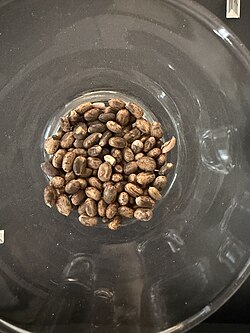
While its seeds are called "beans," they are not true beans in the botanical sense, as they do not belong to the Fabaceae family. Instead, they are highly specialized seeds that serve as a primary source of castor oil, a substance used globally for everything from traditional medicine to modern biodiesel.
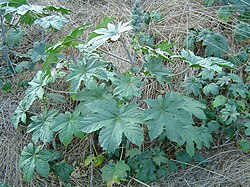
Key Facts
- Scientific Name: Ricinus communis
- Primary Use: Production of castor oil (rich in triglycerides).
- Toxicity: Contains ricin, a highly potent water-soluble toxin.
- Growth Habit: A fast-growing shrub that can reach up to 12 metres (39 feet).
- Global Presence: Indigenous to the Mediterranean, East Africa, and India; now widespread in tropical regions.
- Allergenicity: Rated 10/10 on the OPALS allergy scale.
Botanical Description and Appearance
The castor bean plant is known for its significant variability in appearance. This diversity is driven by both natural genetics and human breeding, which has produced various cultivars (cultivated varieties) optimized for either ornamental beauty or oil yield.
Leaves and Stems
The leaves are large, glossy, and palmate, meaning they are shaped like a hand with five to twelve deep lobes. They can reach lengths of 15–45 centimetres (6–18 inches). Depending on the variety, the foliage may appear dark green, bronze, or a dramatic reddish-purple. In some cultivars, pigments mask the green chlorophyll, keeping the stems and leaves a deep red or purple throughout their life cycle.
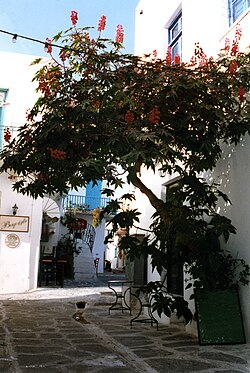
Flowers and Fruit
The plant features distinct male and female flowers. The male flowers are positioned below the female flowers. The fruit consists of spherical, spiny seed capsules that can be quite showy, sometimes even more visually striking than the flowers themselves.
Chemistry and Toxicity
The chemistry of Ricinus communis is a study in contrasts. The seeds contain between 40% and 60% oil, primarily composed of triglycerides such as ricinolein. However, the seeds also contain ricin, one of the most potent toxins found in nature.
The Danger of Ricin
Ricin is a highly toxic, water-soluble protein. Poisoning typically occurs if the seeds are broken or chewed; interestingly, intact seeds may pass through the digestive tract without releasing the toxin. Ingestion can lead to severe symptoms, including abdominal pain, bloody diarrhea, and dehydration. While death can occur within 3–5 days if untreated, most cases allow for a full recovery with medical intervention.
Allergies and Sensitivities
Beyond ingestion, the plant is a major allergen. Its light, airborne pollen can trigger severe asthma and respiratory reactions. Additionally, the plant's sap can cause skin rashes, and individuals may experience cross-allergic reactions to the latex sap of the related Hevea brasiliensis (the rubber tree).
Global Distribution and Ecology
Originally native to the southeastern Mediterranean Basin, East Africa, and India, the castor plant has become widespread in tropical climates. In many areas, it is considered an invasive species that establishes itself easily in wasteland and disturbed areas.
The plant plays a vital role in its local ecosystems, serving as a host for various insects, including:
- The common castor butterfly (Ariadne merione)
- The eri silkmoth (Samia cynthia ricini)
- The castor semi-looper moth (Achaea janata)
Even certain species of jumping spiders, such as Evarcha culicivora, have an association with the plant, using its nectar for food and the plant itself as a location for courtship.
Cultivation and Commercial Use
Because of its striking foliage, the castor plant is widely used as an ornamental "dot plant" in public parks and gardens. In warmer climates, it grows as a large shrub or small tree, while in frost-prone regions, it is often grown as an annual.
Ornamental vs. Oil-Producing Cultivars
Breeders have categorized cultivars into two main groups:
- Ornamental: Varieties like 'Carmencita' (which has won the RHS Award of Garden Merit) and 'New Zealand Purple' are bred for their vibrant leaf and seed pod colors.
- Industrial: Varieties like 'Hale' and 'Brigham' are developed for high oil content or reduced ricin levels to facilitate safer processing.
Global Production Statistics
The industrial scale of castor oil production is immense, with India leading the world by a significant margin.
| Country | Production (tonnes) |
|---|---|
| India | 1,196,680 |
| Mozambique | 85,089 |
| China | 36,000 |
| Brazil | 16,349 |
| Ethiopia | 11,157 |
| Vietnam | 7,000 |
| South Africa | 6,721 |
| Paraguay | 6,000 |
| Thailand | 1,588 |
| Pakistan | 1,107 |
| World Total | 1,407,588 |
Historical Significance
The relationship between humans and the castor plant spans millennia. Archaeological evidence shows castor seeds were used in Egyptian tombs as far back as 4000 BCE, primarily to fuel lamps. Ancient Greek travelers noted its use in ointments and for hair care, and Cleopatra is famously reputed to have used it to brighten her eyes.
In India, the use of castor oil (known as eranda) has been documented since 2000 BCE. It remains a staple in traditional Ayurvedic and Siddha medicine, where it is used for various ailments, including arthritis and parasitic infections.
Frequently Asked Questions
Is commercially available castor oil safe?
Yes. Commercially available cold-pressed castor oil is not toxic to humans when used in normal internal or external doses.
Can the castor plant be grown in cold climates?
While not cold-hardy, it can be grown in cooler climates like southern England, where it may remain evergreen in sheltered spots. In areas prone to frost, it is typically grown as an annual.
What is the difference between a castor bean and a true bean?
Despite the name, the castor "bean" is actually a seed that does not belong to the Fabaceae (legume) family, which includes true beans like peas and kidney beans.
How does ricin enter the body?
Poisoning most commonly occurs when the seeds are broken or chewed. If the seeds are swallowed whole and remain intact, they may pass through the digestive tract without releasing the toxin.
Are there any other uses for the leaves?
Yes, in parts of Asia, the leaves of Ricinus communis are used in botanical printing (ecoprinting). When steamed with fabric like cotton or silk, the leaves leave behind a green-colored imprint.