Jatropha curcas: The Biofuel Potential and Challenges of the Physic Nut
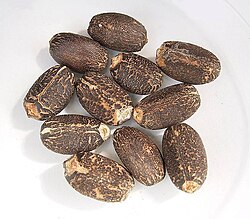
Jatropha curcas, commonly known as the physic nut, is a flowering plant in the Euphorbiaceae family. Classified as a species of Least Concern by the IUCN, this hardy shrub has gained global attention for its ability to produce oil-rich seeds that can be converted into biodiesel and sustainable aviation fuel. Because it can grow in marginal soils where food crops often fail, it has been positioned as a promising alternative to fossil fuels.
The plant's journey from a wild shrub to a global energy prospect involves complex cultivation and processing. While it offers a high energy yield per hectare compared to traditional crops, its implementation has been marked by both technological triumphs in aviation and socio-economic failures in developing nations.
Key Facts
- Oil Content: Seeds typically contain between 28% and 30% oil.
- Yield Timeline: Initial yields begin at 9–12 months, with peak production reached after 2–3 years.
- Energy Efficiency: Can produce more than four times the fuel per hectare as soybean and ten times more than maize.
- Water Demand: Requires five times more water per unit of energy produced than corn.
- Aviation Use: Successfully tested in Boeing 747 and 737 aircraft using various blend ratios.
Cultivation and Propagation
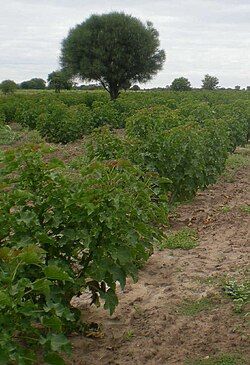
Jatropha curcas is a versatile plant that can be propagated through several methods, including stem cutting, grafting, and air layering. Its ability to thrive in diverse environments makes it suitable for various agricultural setups, including use as live fences or hedges.
In hedge configurations, productivity is reported between 0.8 and 1.0 kg of seed per meter. On a larger scale, seed production typically ranges from 0.4 tons per hectare in the first year to over 5 tons per hectare after three years, with an average yield of approximately 3.5 tons per hectare.
Oil Processing and Biofuel Production
The primary value of Jatropha lies in its seeds. With an extraction efficiency of 80%, a single hectare of plantation in average soil can yield between 400 and 600 liters of oil. However, because the plant has not yet been fully domesticated or improved by plant breeders, yields remain highly variable.
Some estimates suggest extractable oil yields of 540 to 680 liters per hectare (1,500 to 2,000 kg of seeds). While some projections, such as those cited by Time magazine in 2009, suggested potentials as high as 1,600 gallons of diesel per acre per year, actual results vary based on genetic diversity and environmental conditions.
Advancements in Sustainable Aviation Fuel
The aviation industry has aggressively tested Jatropha oil as a replacement for traditional Jet A-1 fuel. Several landmark flights have demonstrated its viability:
- Air New Zealand (2008): Flew a Boeing 747 using one engine powered by a 50:50 blend of Jatropha oil and Jet A-1.
- Continental Airlines (2009): Completed a test flight in a Boeing 737-800 using a 50/50 mixture of algae/Jatropha-derived biofuel and Jet A.
- Interjet (2011): Conducted Mexico's first aviation biofuel flight using an Airbus A320 with a 70:30 blend of traditional fuel and Bio-SPK (Synthetic Paraffinic Kerosene) processed from Jatropha oil.
- Air China (2011): Operated a Boeing 747-400 on a 50:50 blend for a flight around Beijing.
- SpiceJet (2018): Successfully tested a 25:75 ratio of conventional jet fuel to Jatropha biofuel in India.
Socio-Economic Challenges and Controversies
Despite its technical potential, the rollout of Jatropha has faced significant hurdles, particularly in the developing world. In Myanmar, a 2005 initiative aimed to make the country 100% biodiesel-fueled. The government mandated that farmers plant 200 seeds around their plots, with non-compliance punishable by imprisonment.
This forced approach led to severe consequences. The initiative displaced land used for food, exacerbating food insecurity. Furthermore, the lack of processing infrastructure meant that when Cyclone Nargis struck in 2008, the unharvested plantations simply rotted in the fields.

Other controversies include the plant's high water consumption relative to its energy output and the risk of displacing food crops, leading some critics to question its status as a "miracle crop."
Summary of Jatropha curcas Production
| Metric | Value/Range | Notes |
|---|---|---|
| Seed Oil Content | 28% - 30% | Standard seed composition |
| Average Seed Yield | 3.5 t/ha | Ranges from 0.4 to 5+ t/ha |
| Oil Yield (Average Soil) | 400 - 600 L/ha | Based on 80% extraction |
| Water Requirement | 5x more than corn | Per unit of energy produced |
| Peak Production Age | 2 - 3 Years | Initial yield starts at 9-12 months |
Frequently Asked Questions
How long does it take for Jatropha curcas to produce oil?
The plant begins yielding seeds within 9 to 12 months, but the highest and most stable yields are typically achieved after 2 to 3 years of growth.
Can Jatropha oil be used in commercial airplanes?
Yes, it has been successfully used in test flights by airlines including Air New Zealand, Continental Airlines, Air China, and SpiceJet, usually as a blend with conventional jet fuel.
Is Jatropha curcas better than corn for biofuel?
In terms of land efficiency, Jatropha can produce significantly more fuel per hectare than corn. However, it is less water-efficient, requiring five times as much water per unit of energy produced.
Why did the Jatropha initiative fail in Myanmar?
The failure was due to a combination of forced planting mandates, the displacement of food crops leading to food insecurity, and a total lack of processing plants to mill the nuts into fuel.
What are the different ways to propagate Jatropha?
Jatropha curcas can be propagated through stem cuttings, grafting, and air layering.