Ricardo Zamora: The Divine Legend of Spanish Goalkeeping
In the annals of football history, few figures loom as large as Ricardo Zamora Martínez. Known by the nickname El Divino (The Divine), Zamora was not merely a goalkeeper but a pioneer who defined the position in Spain. Standing at 1.94 meters, his physical presence was matched only by his extraordinary reflexes and bravery, cementing his status as one of the greatest goalkeepers of the twentieth century.
Key Facts
- Full Name: Ricardo Zamora Martínez
- Position: Goalkeeper
- Major Clubs: Espanyol, FC Barcelona, and Real Madrid
- International Success: Olympic Silver Medalist (1920)
- Managerial Achievement: Two La Liga titles with Atlético Aviación
- Legacy: The Ricardo Zamora Trophy (best La Liga goalkeeper) is named in his honor
The Early Years and the Battle of Ambition
Born in Barcelona on January 21, 1901, Zamora's path to football glory was not without conflict. His parents, particularly his father, wanted him to pursue a career in medicine. Despite this pressure, his passion for the game led him to Universitari SC and eventually to Espanyol, where he debuted at the age of fifteen on April 23, 1916, against Madrid FC.
Zamora's early career was a tug-of-war between familial duty and athletic talent. He briefly abandoned football in 1919 to resume his studies, but the allure of the sport—and a lucrative offer from local rivals FC Barcelona—brought him back to the pitch.
A Journey Through Spain's Greatest Clubs
Zamora is one of the rare athletes to have left an indelible mark on the three most prominent clubs in Spanish football.
FC Barcelona (1919–1922)
During his three seasons at Barcelona, Zamora was a cornerstone of a legendary squad. He helped the team secure three Catalan Championship titles and two Copa del Rey trophies in 1920 and 1922, notably keeping a clean sheet in the 1920 final against Athletic Bilbao.
Return to Espanyol (1922–1930)
Returning to his first club, Zamora became a central figure in Espanyol's history. He made his La Liga debut during the league's inaugural season in 1929. That same year, he led the club to their first-ever Copa del Rey victory, defeating Real Madrid 2–1 in the final.
Real Madrid (1930–1936)
In 1930, Zamora joined Real Madrid, where he helped the club win its first La Liga title in the 1931–32 season and retain it the following year. He also secured two Copa de España titles, including a 1936 victory over FC Barcelona, sealed by a spectacular last-minute save from Josep Escolà.
International Glory and the "English Defeat"
Zamora was a founding member of the first-ever Spain national team in 1920, earning a silver medal at the Antwerp Olympic Games. Over his international career, he earned 46 caps, a record that stood for 45 years.
One of his most legendary moments occurred on May 15, 1929, against England. Despite suffering a broken sternum early in the match, Zamora refused to leave the field. Spain went on to win 4–3, becoming the first team from outside the British Isles to defeat England.
Style of Play and Legacy
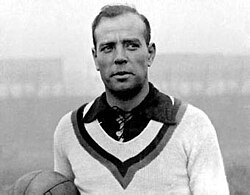
Zamora was as famous for his appearance as he was for his skill. He typically wore a cloth cap and a white polo-neck jumper, claiming they protected him from the sun and opponents. His game was characterized by athleticism, quick reflexes, and immense bravery.
His impact is immortalized through the Ricardo Zamora Trophy, awarded annually to the goalkeeper with the lowest goals-to-games ratio in La Liga. In 1999, the IFFHS ranked him as the best Spanish goalkeeper of the 20th century and the fifth best globally.
Turmoil and the Spanish Civil War
The Spanish Civil War brought significant hardship to Zamora. In 1936, false reports claimed he had been killed, which led to his arrest by Republican militia. He was imprisoned in the Modelo prison, where he survived partly by playing football and befriending the guards. After the Argentinian Embassy intervened, he was released and moved to France to play for OGC Nice.
Transition to Management
After retiring as a player, Zamora transitioned into coaching. His most successful period came with Atlético Aviación (now Atlético Madrid), where he won two La Liga titles (1940, 1941). He also managed Celta de Vigo, Espanyol, and briefly the Spanish national team in 1952.
| Category | Details |
|---|---|
| Playing Career | Espanyol, FC Barcelona, Real Madrid, Nice |
| International Caps | 46 (Spain) |
| Major Player Honors | 2x La Liga, 3x Copa del Rey, Olympic Silver |
| Managerial Honors | 2x La Liga (Atlético Aviación) |
| Key Distinction | Best Spanish GK of the 20th Century (IFFHS) |
Frequently Asked Questions
Why was Ricardo Zamora called "El Divino"?
He was nicknamed "The Divine" due to his extraordinary shot-stopping abilities, athleticism, and the perceived grace and efficiency with which he guarded the goal.
What is the Ricardo Zamora Trophy?
It is an annual award given to the goalkeeper in La Liga who concedes the fewest goals per game, named in honor of Ricardo Zamora's legacy.
Which clubs did Ricardo Zamora play for?
He played for RCD Espanyol, FC Barcelona, Real Madrid, and OGC Nice in France.
How did Zamora contribute to the Spanish national team?
He was part of the first Spanish national team, won an Olympic silver medal in 1920, and played a pivotal role in Spain's first-ever victory over England in 1929.
Did Ricardo Zamora have a coaching career?
Yes, he was a successful manager, most notably winning two La Liga titles with Atlético Aviación between 1939 and 1941.