The Complete Guide to Rhubarb: History, Cultivation, and Culinary Uses
Rhubarb is a unique plant that occupies a curious space in the culinary world. While botanically classified as a vegetable, its tart, bright flavor often leads it to be treated like a fruit in desserts. Known for its vibrant stalks, rhubarb has transitioned from a highly prized medicinal root to a staple of spring baking.
What is Rhubarb?
Rhubarb refers to the fleshy, edible stalks, known scientifically as petioles, of various species and hybrids within the genus Rheum. These plants belong to the Polygonaceae family and are herbaceous perennials, meaning they live for several years and grow from thick, underground storage organs called rhizomes.
While the stalks are delicious, it is vital to remember that the large, triangular leaves are poisonous. They contain high levels of oxalic acid and anthrone glycosides, making them inedible to humans. The plant also produces small flowers that grow in large, leafy, greenish-white to rose-red clusters called inflorescences.
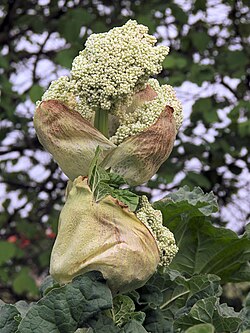
Scientific Classification
- Kingdom: Plantae
- Clade: Angiosperms (flowering plants)
- Order: Caryophyllales
- Family: Polygonaceae
- Genus: Rheum
- Species: R. × hybridum (culinary rhubarb)
A Rich and Expensive History
The exact origins of the culinary rhubarb we eat today are difficult to pinpoint because the plant readily hybridizes. Most modern varieties are believed to be hybrids of R. rhabarbarum and R. rhaponticum. Historically, rhubarb was not a common kitchen ingredient but a precious medicinal commodity. In medieval Europe, it was so expensive to transport along the Silk Road that it cost several times more than valuable spices like cinnamon, saffron, or even opium.
In China, rhubarb has been used for millennia; the roots were documented in ancient texts like The Divine Farmer's Herb-Root Classic. As cultivation techniques improved in Europe during the 18th and 19th centuries, the availability of sugar helped transform rhubarb from a medicinal root into the sweet, tart culinary staple we recognize today.
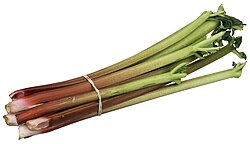
Cultivation and Harvesting
Rhubarb is a hardy plant, but it has specific needs to thrive. It requires a period of winter dormancy, specifically 7–9 weeks of temperatures around 3 °C (37 °F), often referred to as "cold units." To provide early-season produce, many growers use "hothouses" (heated greenhouses) to force the plants into growth. This hothouse rhubarb is typically brighter red, more tender, and sweeter than rhubarb grown outdoors.
In the United Kingdom, a famous production area known as the "Rhubarb Triangle" exists between Wakefield, Leeds, and Morley. In these areas, some rhubarb is even harvested by candlelight in specialized forcing sheds to produce exceptionally tender stalks. In the United States, major production occurs in Oregon, Washington, and Wisconsin, with Pierce County, Washington, accounting for half of the nation's commercial production.
Culinary Uses and Flavor Profile
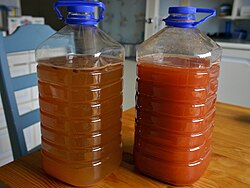
The defining characteristic of rhubarb is its strong, tart taste. Because of this acidity, it is most commonly paired with sugar to create balanced flavors. It is a star ingredient in pies, crumbles, and tarts. In the United States, it is frequently paired with strawberries to create the classic strawberry-rhubarb pie. Beyond desserts, rhubarb can be used in savory dishes, pickled, or even used to make alcoholic beverages like fruit wines or Finnish sima.
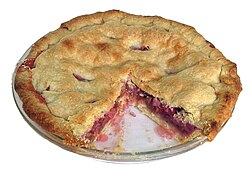
When fresh, the stalks are firm and glossy. While they can be eaten raw for their crisp texture, they are most often stewed or cooked into compotes. Some cooks even use rhubarb to make jams or infuse it into fruit juices.
Nutritional Profile
Rhubarb is a low-calorie food, consisting of approximately 94% water. It is an excellent source of Vitamin K and provides a moderate amount of potassium. Below is a summary of the nutritional content found in a 100g serving of raw rhubarb.
| Nutrient | Amount | % Daily Value (DV) |
|---|---|---|
| Energy | 21 kcal | - |
| Carbohydrates | 4.54 g | - |
| Dietary Fiber | 1.8 g | - |
| Protein | 0.8 g | - |
| Vitamin K | - | 24% |
| Potassium | - | 10% |
| Vitamin C | - | 9% |
| Manganese | - | 9% |
Safety and Toxicity
While the stalks are safe and nutritious, the leaves must never be consumed. The leaves contain oxalic acid, a nephrotoxin (a substance toxic to the kidneys). Long-term consumption of high levels of oxalic acid can lead to the formation of kidney stones. Historically, there have been tragic instances, particularly during the World Wars, where rhubarb leaves were mistakenly recommended as a food source, leading to poisoning.
Additionally, consumers should avoid rhubarb that has been damaged by severe cold, as this can cause oxalic acid to migrate from the leaves into the stalks, increasing the risk of illness.
Key Facts
- Edible Part: Only the fleshy stalks (petioles) should be eaten.
- Toxic Part: The leaves are poisonous due to high oxalic acid content.
- Growing Needs: Requires 7–9 weeks of cold temperatures to grow well.
- Nutrient Dense: A great source of Vitamin K (24% DV) and Potassium (10% DV).
- Culinary Identity: Often called "pie plant" in the United States.
Frequently Asked Questions
Is rhubarb a fruit or a vegetable?
Botanically, rhubarb is a vegetable because it is the edible stalk of a herbaceous plant. However, because of its tartness and common use in sweet desserts, it is often treated as a fruit in culinary contexts.
Can I eat the leaves of a rhubarb plant?
No. Rhubarb leaves contain high levels of oxalic acid and other toxins that can cause serious illness or poisoning. Always discard the leaves and only consume the stalks.
What is the difference between hothouse and field-grown rhubarb?
Hothouse rhubarb is grown in heated greenhouses to force early production. It is typically sweeter, more tender, and has a brighter red color than rhubarb grown outdoors in the field.
Why is rhubarb so tart?
The tartness comes from organic acids, primarily malic acid. This acidity is why rhubarb is almost always cooked with sugar to balance the flavor.
Where is the best place to find rhubarb in the UK?
The "Rhubarb Triangle" in Yorkshire, located between Wakefield, Leeds, and Morley, is a famous and historic region for rhubarb production.